
Free Museums in Seoul: 7 Picks and How to Visit
Seven Seoul museums with free or low-cost entry, from Silla gold to Joseon royal life: hours, closed days, nearest exits and sights to pair them with.
Seoul has a habit that surprises many first-time visitors: some of its largest and best-stocked museums cost nothing to enter. The national museum in Yongsan, the two museums beside Gyeongbokgung Palace, the city's own history museum and the war memorial all list free admission for their main exhibitions on their official pages. For a traveller juggling a tight budget, a rainy afternoon or a day when the air quality is poor, that changes how you plan a trip.
This guide covers seven museums worth the time, what each one actually shows, how to reach it by subway, and which days to avoid. Everything with a time, a date or an exit number in it comes from each museum's own website, read in autumn 2026. Several galleries are temporarily closed for renovation as this is written, and those closures are noted below, so treat the details as a starting point and check the official page the day before you go.
Seoul museums at a glance
| Museum | What it covers | Admission (official page) | Nearest station & exit | Closed |
|---|---|---|---|---|
| National Museum of Korea | Korean history and art from prehistory to the Korean Empire, plus calligraphy, sculpture, crafts and world art | Permanent galleries free; charged special exhibitions excepted | Ichon, Exit 2 | 1 Jan, Seollal, Chuseok; galleries also on the first Monday of March, June, September and December |
| National Folk Museum of Korea | Everyday life, the seasons and life rites of Koreans | Free | Anguk, Exit 1 (about 15 min on foot); also Gyeongbokgung, Exit 5 | 1 Jan, Seollal, Chuseok |
| National Palace Museum of Korea | Joseon royal court and Korean Empire: kings, royal life, rituals, science, vehicles | Free | Gyeongbokgung, Exit 5 (about 2 min) | 1 Jan, Seollal, Chuseok, last Monday of every month |
| National Museum of Korean Contemporary History | Korea from 1894 to the present | Free | Gwanghwamun, Exit 2 | 1 Jan and major holidays including Chuseok |
| The War Memorial of Korea | Wars in Korean history, the Korean War, large military equipment outdoors | Free (exhibitions in rented spaces excepted) | Samgakji, Exit 12 (about 3 min) | Every Monday (opens on a holiday Monday, closes the next day) |
| Seoul Museum of History | The city of Seoul from the Joseon capital onward | Free | Gwanghwamun, Exits 6-8 (about 7 min) | Mondays and 1 Jan |
| MMCA Seoul | Modern and contemporary art exhibitions | Fees vary by exhibition; free on Wednesday and Saturday evenings and on the last Wednesday of the month | Anguk, Exit 1 | 1 Jan, Seollal, Chuseok |
National Museum of Korea: the one to see if you only see one
The National Museum of Korea in Yongsan is the country's flagship collection, and the museum itself says more than 12,000 pieces are on display across six permanent sections. Admission to the permanent galleries is free; only charged special exhibitions need a ticket. It opens at 9:30 and closes at 17:30 on Mondays, Tuesdays, Thursdays, Fridays and Sundays, with last admission at 17:00. On Wednesdays and Saturdays it stays open until 21:00, last admission 20:30, which makes it easy to fit into an evening.
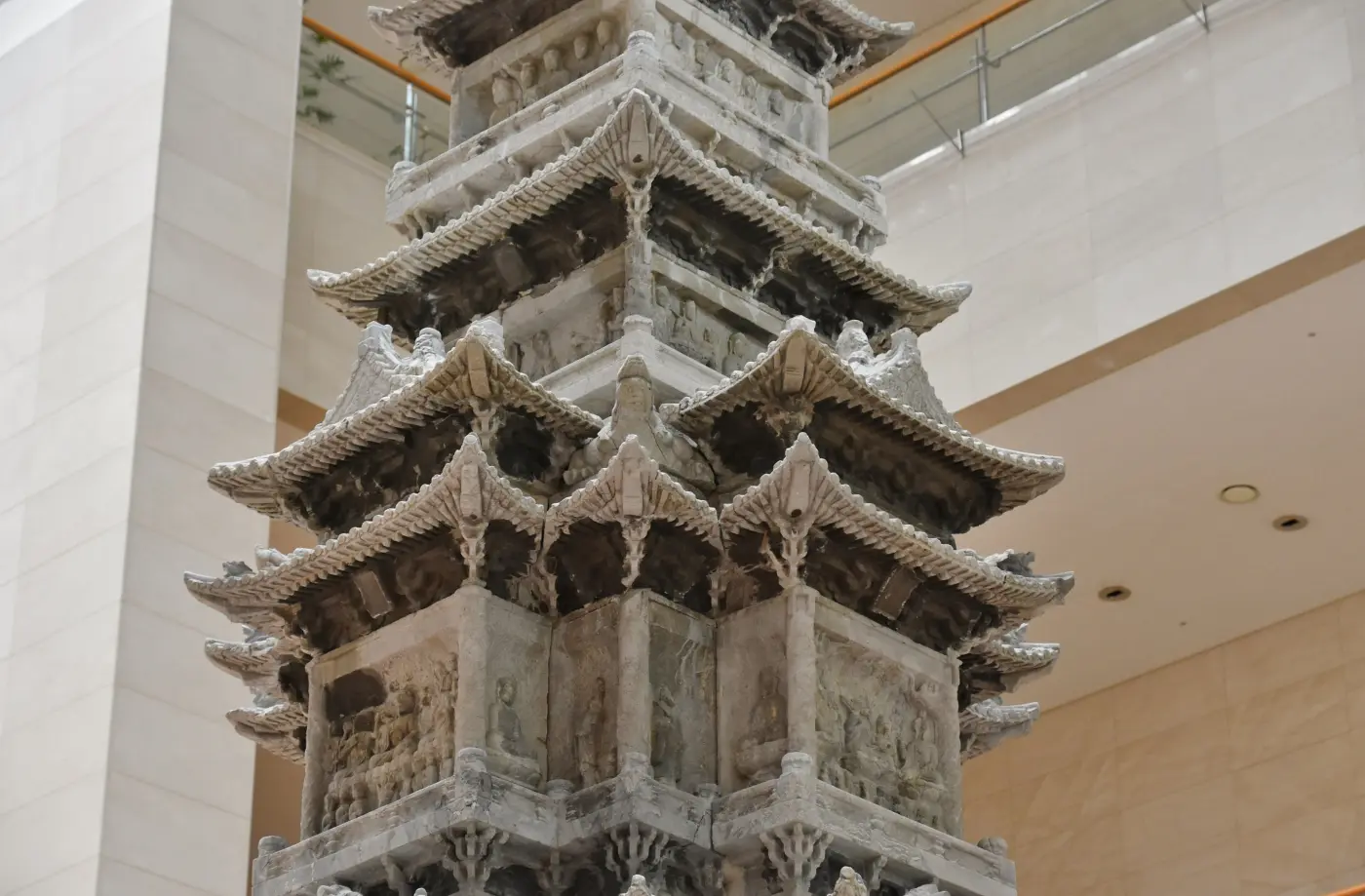
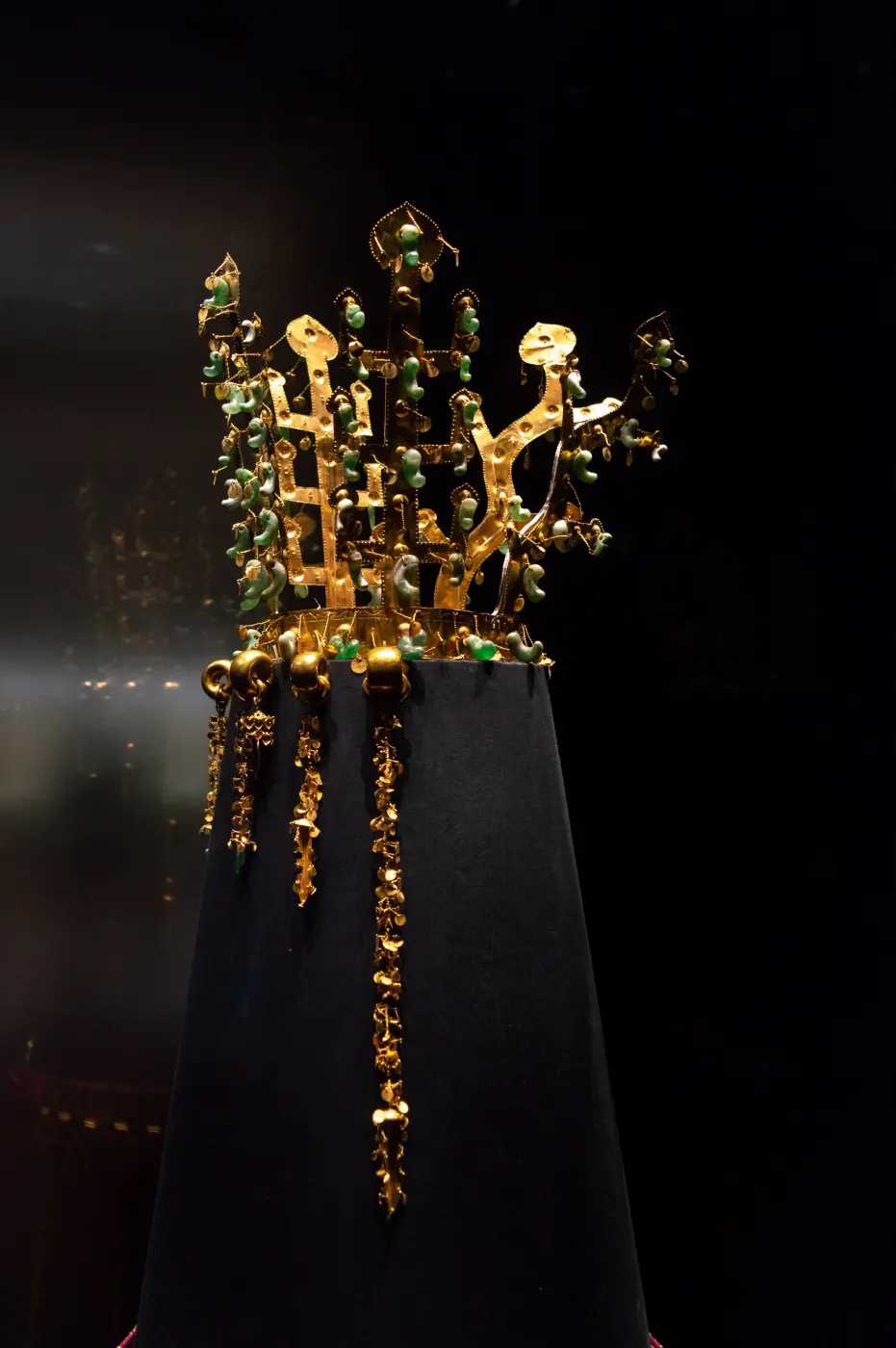
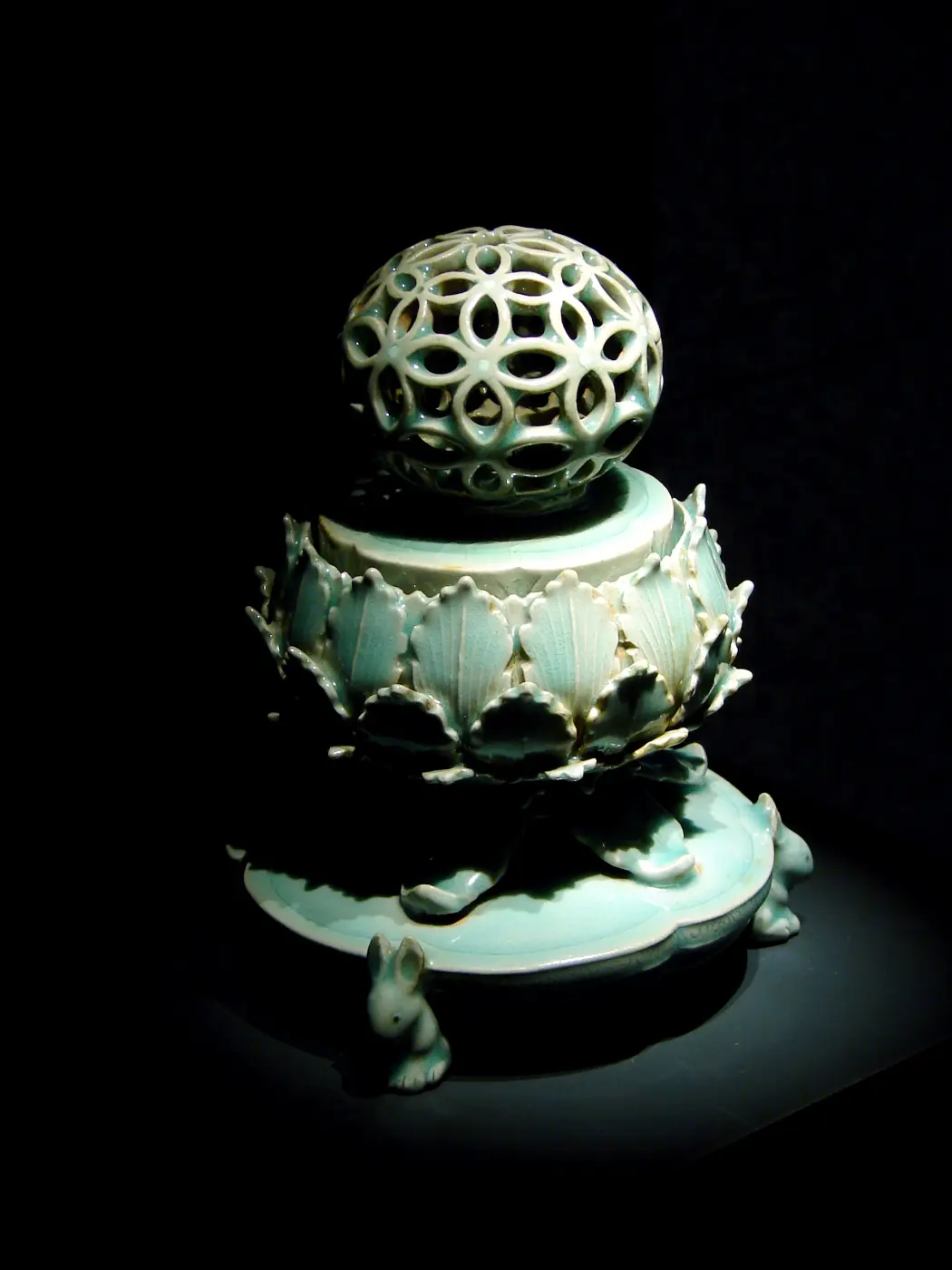
The layout is simple. The first floor holds Prehistory and Ancient History and the Medieval and Early Modern History section, which runs through the Goryeo dynasty, the Joseon dynasty and the Korean Empire. The second floor has Calligraphy and Painting, the Donated Collection and the Room of Quiet Contemplation, a darkened space built around two pensive bodhisattva statues, both National Treasures. The third floor holds Sculpture and Crafts and World Art. Among the treasures the museum itself singles out are a gold crown from Silla, a Goryeo celadon openwork incense burner and the Ten-Story Pagoda from the Gyeongcheonsa Temple site, which stands indoors in the main hall.
One thing to know before you go: part of the second and third floors is closed for renovation until 28 January 2027, with reopening planned for 29 January. The closed rooms include the Buddhist Sculpture and Metal Crafts galleries on the third floor and the Buddhist Painting, Wood and Lacquer Crafts and part of the Calligraphy and Painting galleries on the second floor. The Celadon Gallery and the Buncheong Ware and White Porcelain Gallery remain open, so the ceramics are still on view.
Help in English and Japanese is easy to find. A free Museum Highlights Tour for international visitors runs at 10:30 and 13:00 on weekdays, and in English and Japanese at 10:30 and 13:00 on weekends, starting in front of the Korean Empire gallery on the first floor. The museum's own exhibition guide app is free, works in English and Japanese among other languages, and the museum suggests downloading the content on Wi-Fi before you arrive. Guidebook PDFs in English and Japanese can be downloaded from the website. Food, drink, flash, tripods and selfie sticks are not allowed in the galleries, and there is free coat storage by the main gate.
Getting there: take Line 4 or the Gyeongui-Jungang Line to Ichon Station and use Exit 2; the museum is a short walk toward Yongsan Family Park. The outdoor Pagoda Garden opens from 7:00 to 22:00 and needs no ticket. Families should note that the Children's Museum is temporarily closed until 14 December; our guide to Korea with kids explains how its booking works once it reopens.
Right next door is the National Hangeul Museum, a natural stop for anyone curious about the Korean alphabet. Its own notice, however, says it is closed until the second half of 2028 to repair fire damage and finish an extension, with exhibitions held in other venues in the meantime. Its English pages still show regular opening hours, so do not plan around them. If you want to learn the alphabet before your trip, our Hangul guide covers the basics in an afternoon.
The War Memorial of Korea
A short subway ride from the national museum, the War Memorial of Korea tells the story of the wars fought on the peninsula, from the Three Kingdoms era to the present. The core is the Korean War, spread over three rooms, with further rooms on the expeditionary forces and the Republic of Korea Armed Forces, a Memorial Hall honouring the war dead, and an outdoor area of large military equipment. It is a sombre place, and visitors are asked to keep quiet in the exhibition halls.
Admission is free, apart from exhibitions held in rented areas. The memorial opens at 9:30, takes last entry at 17:00 and closes every Monday; when a Monday is a public holiday it opens and closes the day after instead. Guided tours of the Korean War rooms on the second floor run in English at 10:00 and 14:00 for the first room and at 10:30 and 14:30 for the second, on weekdays and weekends; sign up at the information desk in the second-floor lobby. The quickest route is Samgakji Station Exit 12, about three minutes on foot.
Around Gyeongbokgung: palace life and folk life
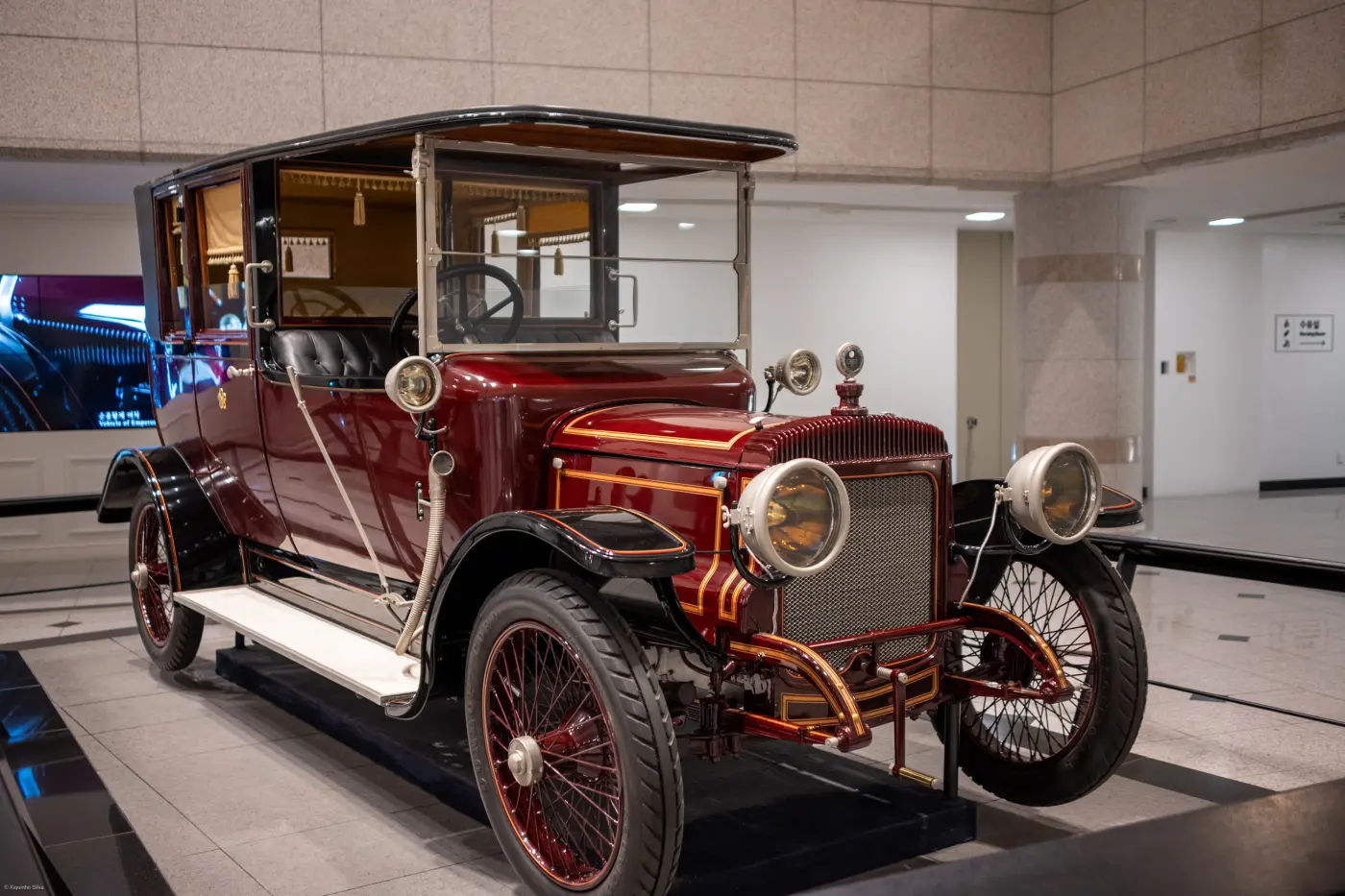
Two national museums sit beside Gyeongbokgung Palace, and together with the palace itself they fill a day. The National Palace Museum of Korea collects the objects of the Joseon royal court and the Korean Empire. Its permanent galleries are arranged by theme: Kings of the Joseon Dynasty, Life in the Royal Family, the Korean Empire, Paintings and Calligraphy of the Joseon Royal Court, Royal Rituals, Scientific Achievement of the Joseon Dynasty, and a gallery simply called Vehicle. Admission is free.
The museum opens at 9:30 and closes at 17:30 from Monday to Friday and on Sunday, last entry 17:00. It stays open into the evening on Saturdays and on Culture Day, the last Wednesday of each month, with last entry at 20:30. It closes on 1 January, Seollal, Chuseok and the last Monday of every month, moving to the Tuesday when that Monday is a public holiday. On weekdays it runs guided tours for international visitors, in English and Japanese among others; the exact schedule is published as a monthly calendar on the museum's site. Gyeongbokgung Station Exit 5 is about two minutes away.
The National Folk Museum of Korea turns from kings to everyone else. Its permanent halls follow a year of seasonal customs in A Year in Korea and the milestones of a life, from birth to coming of age and marriage, in Korean Life Passages, covering roughly the Joseon period to the early twentieth century. Hall 1 is closed for renovation until 21 December 2026, with a tentative reopening on 22 December under a new theme. All exhibitions are free, though the palace grounds have their own ticket.
From November to February the folk museum is open from 9:00 to 17:00, last entry 16:00; from March to October it closes at 18:00, and at 20:00 on Wednesdays. It closes on 1 January, Seollal and Chuseok. Free docent tours in English and Japanese run on most days from the information desk in the first-floor lobby, with no booking needed for individuals; times differ by weekday and are listed on the visiting page. Take Anguk Station Exit 1 and walk about 15 minutes along Samcheong-ro, or use Gyeongbokgung Exit 5. There is no parking at the museum.
Plan the day around closures. The palace museum shuts on the last Monday of the month, and the palace itself has its own closing day, explained with ticket rules in our guide to Seoul's palaces. If you plan to wear hanbok for free palace entry, our hanbok guide explains what counts as a full outfit.
Gwanghwamun: modern Korea and the city's story
Walk south from the palace to Sejong-daero and two more free museums sit within walking distance of each other. The National Museum of Korean Contemporary History tells the story of the country from 1894 to the present in a fifth-floor History Gallery divided into three parts: 1894 to 1945, 1945 to 1987, and 1987 to today. It opens from 10:00 to 18:00 on Mondays, Tuesdays, Thursdays, Fridays and Sundays and until 21:00 on Wednesdays and Saturdays, with entry until 30 minutes before closing. A free English guided tour starts at the entrance of the History Gallery on Thursdays at 14:30, and a free audio guide in English or Japanese is lent at the first-floor desk in exchange for ID. Use Gwanghwamun Station Exit 2.
The Seoul Museum of History, a few minutes further west, focuses on the city itself. Its permanent exhibition begins with the founding of Hanyang as the Joseon capital in 1394 and traces how the walled royal city grew into a commercial one, neighbourhood by neighbourhood. The outdoor area holds old stone monuments and a five-storey stone pagoda in the Goryeo style. Admission is free; the museum opens from 9:00 to 18:00, last admission 17:30, and stays open until 22:00 on Fridays. It closes on Mondays and on 1 January. Free audio guides in English and Japanese are lent at the first-floor desk against ID. From Gwanghwamun Station, Exits 6, 7 and 8 are about seven minutes away on foot.
MMCA Seoul: contemporary art beside Bukchon
The National Museum of Modern and Contemporary Art runs four branches, and its Seoul branch stands between Gyeongbokgung and Bukchon. Unlike the history museums, MMCA charges for its paid exhibitions, and the fee depends on the show, so check the exhibition page rather than a fixed price. The official page lists free admission on Wednesday and Saturday evenings from 18:00 to 21:00 and on Culture Day, the last Wednesday of each month, and includes visitors under 24 or over 65 among those admitted free, with ID. Opening hours are 10:00 to 18:00, until 21:00 on Wednesdays and Saturdays; it closes on 1 January, Seollal and Chuseok. Anguk Station Exit 1 is the closest stop, which makes it an easy start or finish for a walk through Bukchon and Insadong.
How to pair museums with nearby sights
- Yongsan day: the War Memorial in the morning (not on a Monday), then the National Museum of Korea in the afternoon. On a Wednesday or Saturday you can stay until 21:00.
- Palace day: Gyeongbokgung in the morning, the National Palace Museum after lunch and the folk museum before it closes. Avoid the last Monday of the month and the palace's own closing day.
- Gwanghwamun afternoon: the Contemporary History museum and the Seoul Museum of History, then Gyeonghuigung or Deoksugung nearby. Friday evenings suit the Seoul Museum of History, open until 22:00.
- Bukchon loop: MMCA Seoul, then the hanok lanes and Insadong on foot. On Wednesday and Saturday evenings the exhibitions are free from 18:00.
- Rain or poor air: keep one museum in reserve for every day of the trip. Our 3-day Seoul itinerary already builds in indoor swaps.
Practical tips
- Carry your passport. Some museums lend audio guides only in exchange for an ID.
- Mondays are the trickiest day: the War Memorial and the Seoul Museum of History are closed, and so is the Palace Museum on the last Monday of the month. The National Museum of Korea (except its galleries on the first Monday of March, June, September and December), the folk museum and the Contemporary History museum are good Monday options.
- Seollal and Chuseok close most of these museums. If your trip overlaps a Korean holiday, check our holiday guide first.
- Food and drink stay outside the galleries, and flash photography, tripods and selfie sticks are generally not allowed.
- Foreign-language tours at the folk and palace museums are reserved for international visitors, and individuals can join the folk museum's tours without booking.
None of these museums asks for much more than a subway fare and a few hours. Pick the one closest to whatever else you are doing that day, check its closing day, and you will see a side of Korean history that a palace visit alone leaves out: the gold of Silla, the green of Goryeo celadon, and the story of how a royal capital became the city around you.
Comments
Sign in to leave a comment.
Sign in ·No account? Create one
Confirm your email address to comment — it takes one click.
No comments yet.