The transit card, and the second tap everyone forgets
One card covers the subway, the buses, most taxis and a bottle of water at the convenience store. The part visitors get wrong is not buying it — it is the second tap.
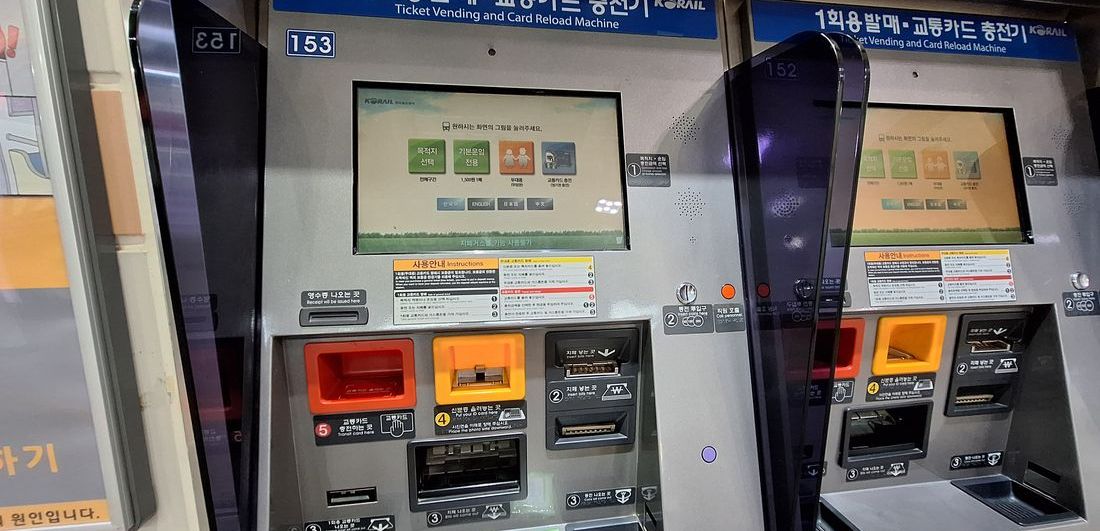
Buy a transit card here. Not in the city.
A T-money card is, hands down, the most useful thing you’ll buy in Korea. It covers subways, city buses, most taxis and plenty of convenience-store purchases, and it spares you from working out a fare before every ride.
- Pick up the card at any convenience store — CU, GS25, 7-Eleven, Emart24, Ministop — or at a subway station. They run roughly ₩2,500–₩5,000 depending on the design.
- Load it with cash at the same counter. Won only, in ₩1,000 increments.
- Tap it on the reader when you board — then again when you get off. That second tap gets the whole next page, and it’s the one thing in this book worth bolding twice.
The price of the card is not a deposit. You’re buying a piece of plastic, and that money is gone. What you do get back is the balance you loaded: before you fly home, hand the card over at a convenience store and they’ll refund whatever is left in cash, minus a small fee. Plenty of guides call the card price a "deposit". It isn’t, and travelers are not thrilled to learn this at the airport on the way out.
You can top up with a foreign card at station kiosks or through the mobile T-money app, for a fee. Cash at a convenience store is simpler, and it’s what we’d do on day one.
Tap in. Then tap out. Every time.
Korean fares are calculated by distance. The system can’t figure out what you owe until it knows where you got off, so it makes you tell it — by tapping the card a second time on your way out. Seoul’s own guidance states it flat, no conditions: tap the card every time you board and every time you get off.
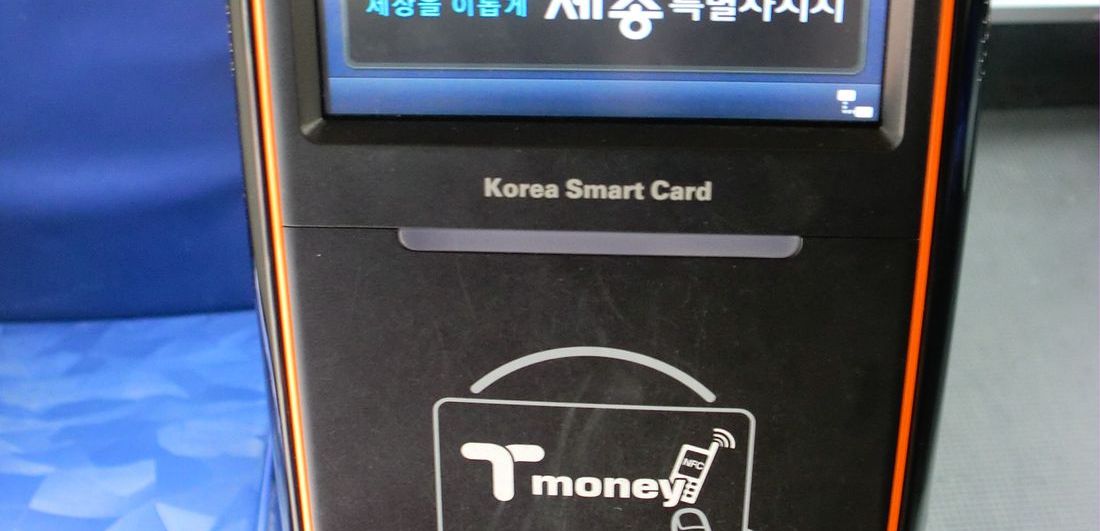
What it costs when you forget
Miss the exit tap and your transfer chain breaks from that vehicle onward. The next time you board, the system treats the untapped trip as a standalone ride and collects the base fare it never managed to charge you. Nothing warns you. You just pay more later.
- Transfers are free within 30 minutes of tapping out — 60 minutes between 21:00 and 07:00 — up to four transfers, or five rides in total.
- Past the included distance, every additional 5 km adds ₩100 (₩80 for youth, ₩50 for children).
- Pay cash and there’s no record of where you got on or off, so no transfer discount applies at all. That’s the practical reason the card matters.
카드 찍는 곳이 어디예요?
kadeu jjingneun gosi eodiyeyo?
What the card price is not
A great deal of advice calls the card price a deposit. It isn’t — it is the price of the physical card, and it does not come back. What comes back is the balance you loaded, which any of the big convenience-store chains will refund in cash before you fly — a small handling fee applies.
The subway, decoded
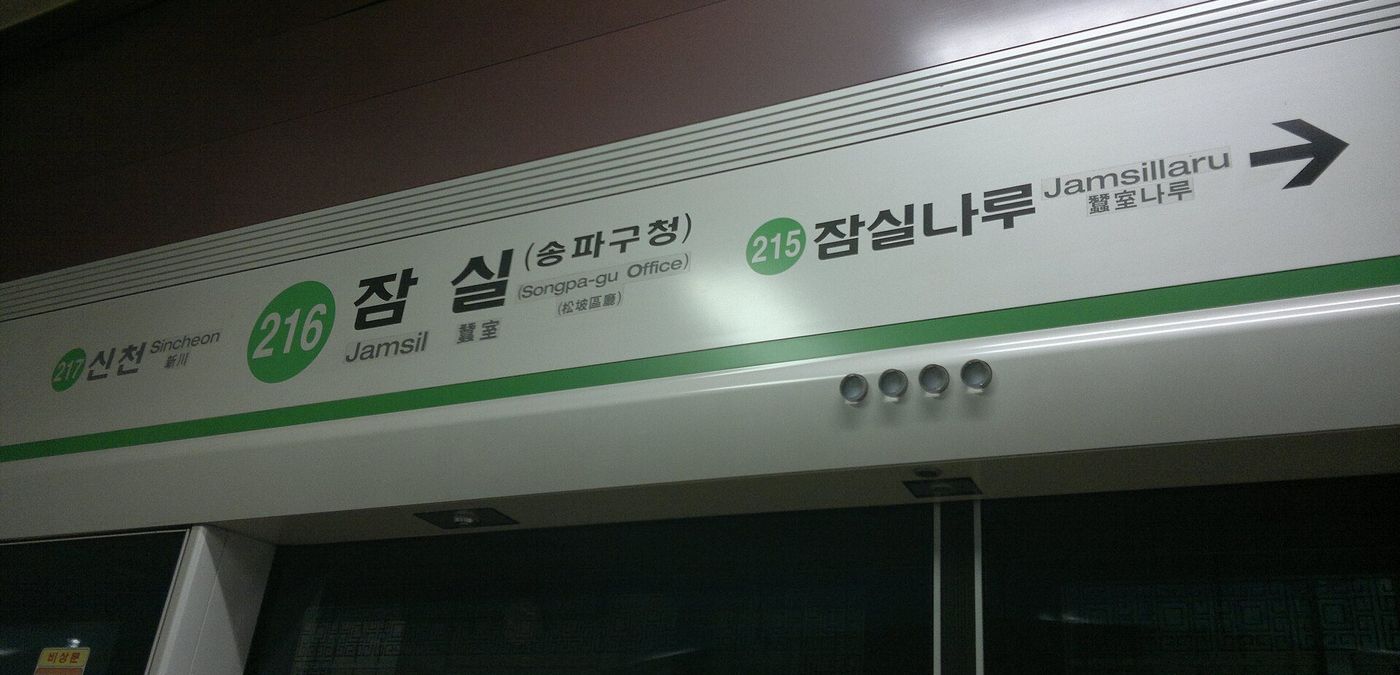
Every line has a number and a color, and both are printed on every sign, so you can navigate without reading a single Korean word. Line 2 is a loop, which means a wrong direction costs you time but never a rescue. For routing, Naver Map beats Google Maps by a wide margin here.
Where this comes from
Every number on this page was read at the source rather than in a summary. Where we could not read it at the source, the page says so instead of guessing.
Questions people actually ask
- What happens if I forget to tap off a bus?
- Your transfer chain breaks at that ride, and the fare the system could not calculate is charged the next time you board. It is no fine and nobody stops you — it just quietly costs you the free transfer you were counting on.
- Can I get my T-money card money back before I leave?
- The balance, yes — at the big convenience-store chains, in cash, with a small handling fee. The price of the card itself stays where it is, because it was never a deposit.
- Which map app should I use in Korea?
- Naver Map, by a wide margin, for routing. The reason is not loyalty — it simply has the transit data that the alternatives do not.