
Korea, region by region: all seventeen, and how many days each wants
Most visitors see one city and figure they have seen the country. These seventeen pages are the guidebook’s region chapter, opened up: what is there, one photograph, how you get there from Seoul, and how many days it wants. No restaurants, no opening hours, no admission prices — those are the parts that rot.
The seventeen regions
-
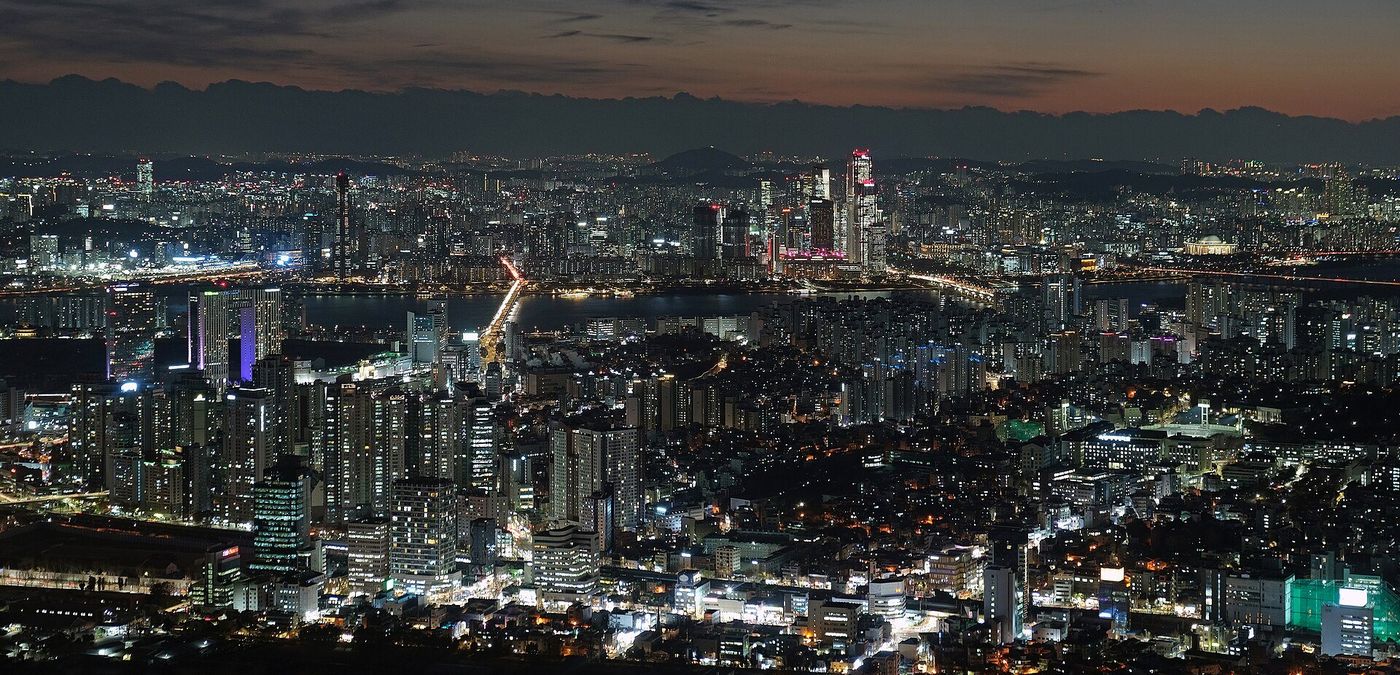 Seoul
서울
Five palaces within a few subway stops, hanok lanes between two of them, and a river that splits the city. What Seoul holds, how long it takes, and where it sits in a longer Korea route.
Seoul
서울
Five palaces within a few subway stops, hanok lanes between two of them, and a river that splits the city. What Seoul holds, how long it takes, and where it sits in a longer Korea route.
-
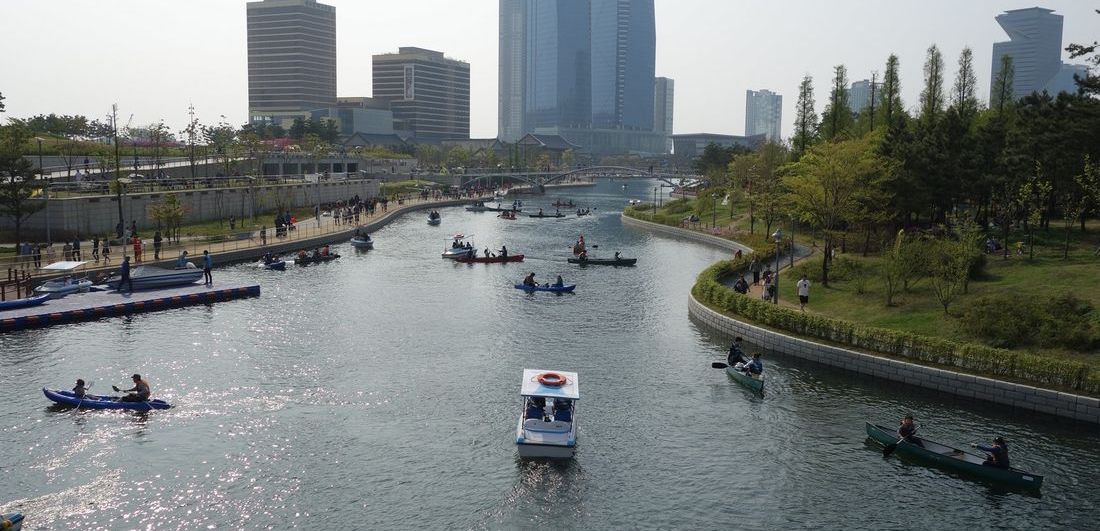 Incheon
인천
Everyone arrives here and almost everyone leaves without seeing it. A canal district built on reclaimed ground, an old seafront with a ferry pier, and both on the Seoul subway network.
Incheon
인천
Everyone arrives here and almost everyone leaves without seeing it. A canal district built on reclaimed ground, an old seafront with a ferry pier, and both on the Seoul subway network.
-
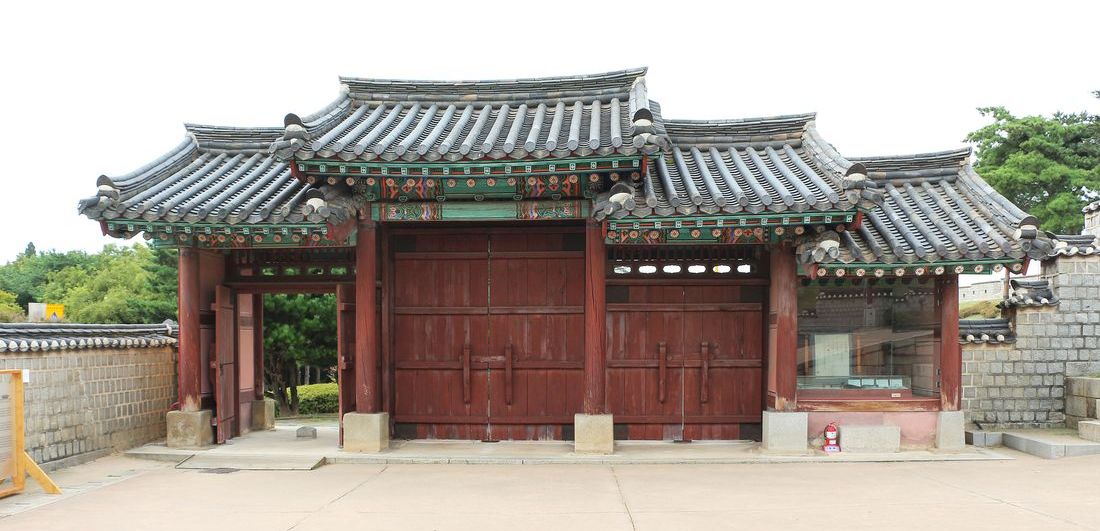 Gyeonggi
경기
A fortress wall you can walk the whole way around, a folk village where the buildings are used rather than roped off, and every border tour in the country. All of it within reach of a Seoul morning.
Gyeonggi
경기
A fortress wall you can walk the whole way around, a folk village where the buildings are used rather than roped off, and every border tour in the country. All of it within reach of a Seoul morning.
-
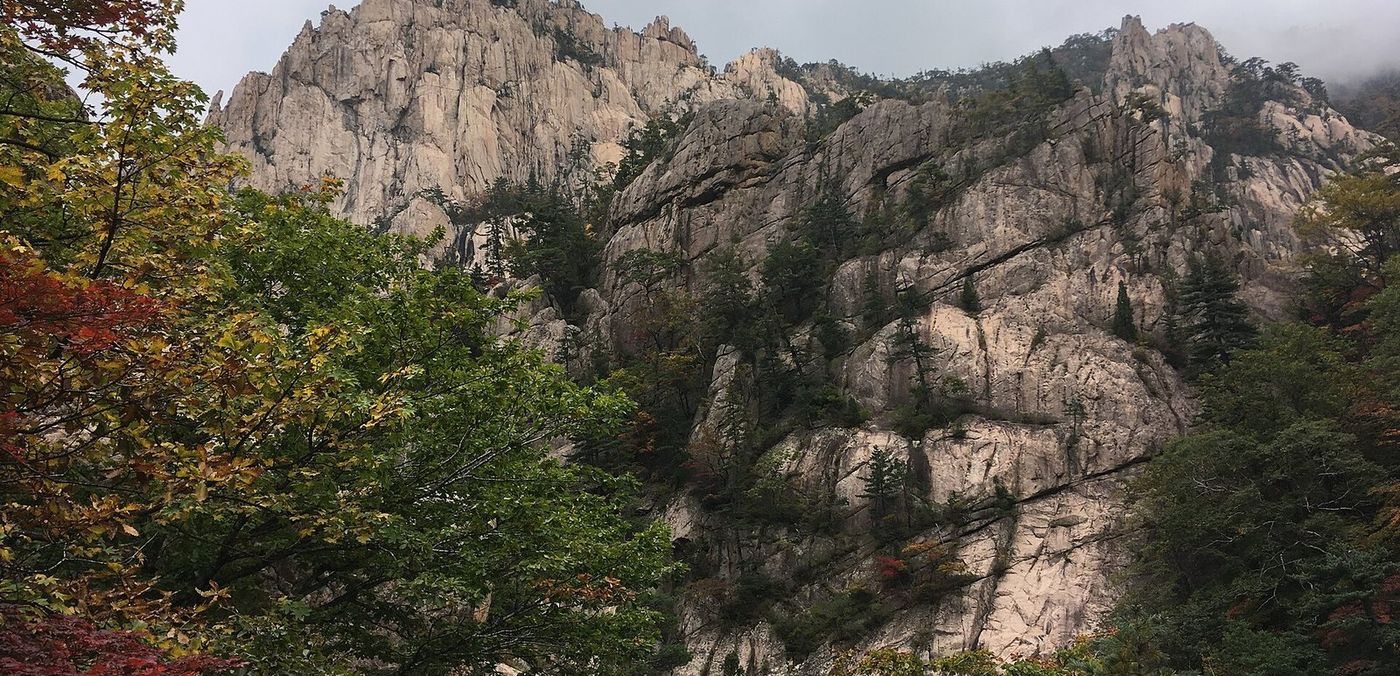 Gangwon
강원
Granite ridgelines, a cold blue sea, and the emptiest horizons in the country. How to reach Gangwon from Seoul, what to pack, and why the mountain and the sea are two different days.
Gangwon
강원
Granite ridgelines, a cold blue sea, and the emptiest horizons in the country. How to reach Gangwon from Seoul, what to pack, and why the mountain and the sea are two different days.
-
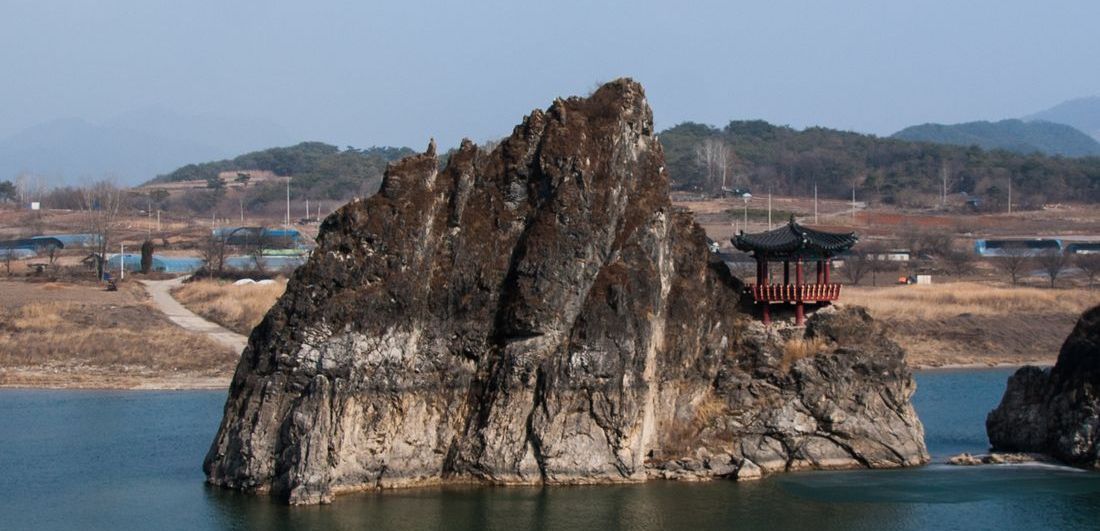 Chungbuk
충북
Pale rock pillars standing in a river, caves under the hills, and a cable car to the view that makes the detour make sense. The one Korean province with no coastline.
Chungbuk
충북
Pale rock pillars standing in a river, caves under the hills, and a cable car to the view that makes the detour make sense. The one Korean province with no coastline.
-
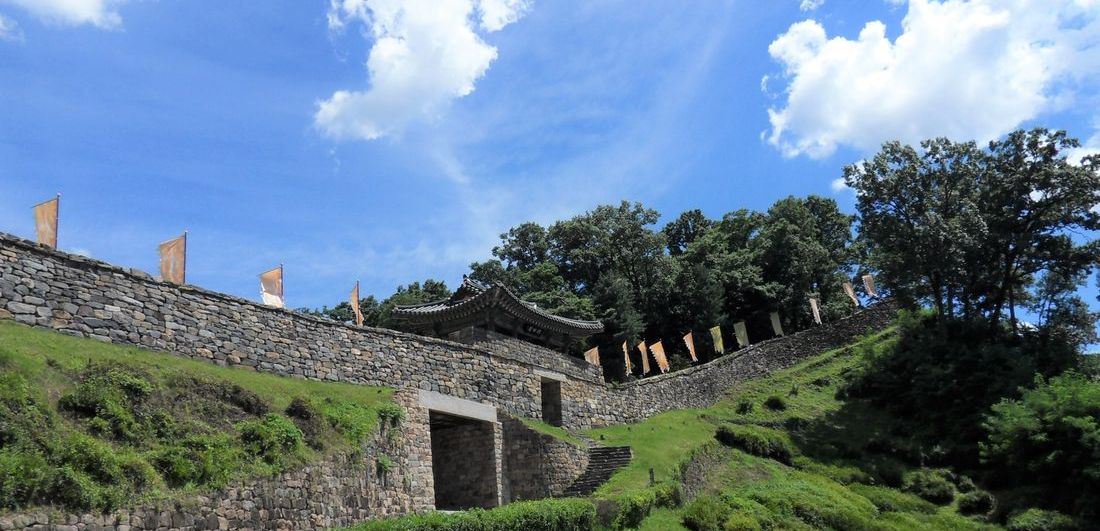 Chungnam
충남
Two cities that were capitals of a kingdom which ended more than thirteen centuries ago, and still have the walls and tombs to show for it — with a fraction of the crowds that fill the palaces in Seoul.
Chungnam
충남
Two cities that were capitals of a kingdom which ended more than thirteen centuries ago, and still have the walls and tombs to show for it — with a fraction of the crowds that fill the palaces in Seoul.
-
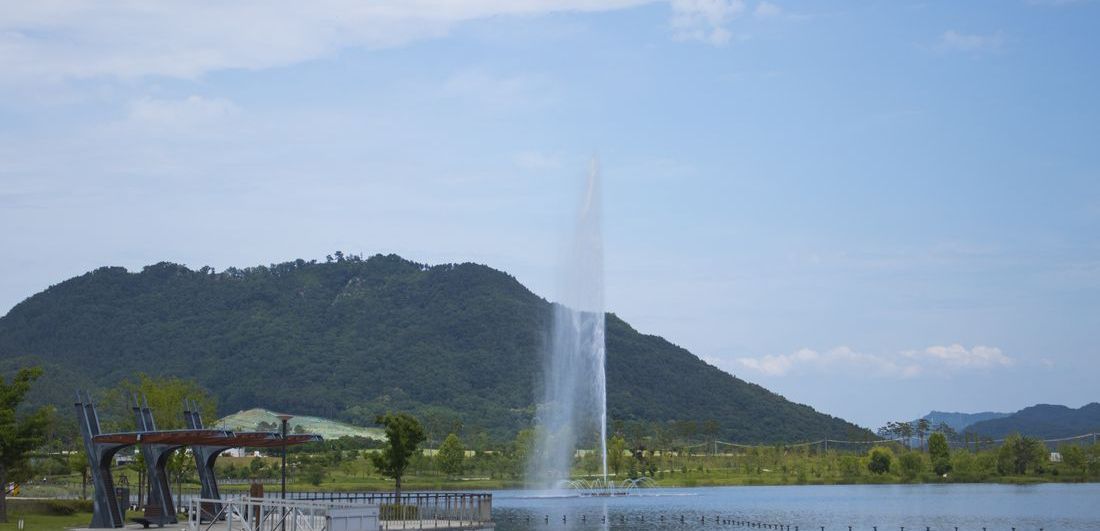 Sejong
세종
The one place in Korea planned all at once rather than grown: wide water, deliberate architecture, and space where an older city would have had a crowd. Half a day, honestly.
Sejong
세종
The one place in Korea planned all at once rather than grown: wide water, deliberate architecture, and space where an older city would have had a crowd. Half a day, honestly.
-
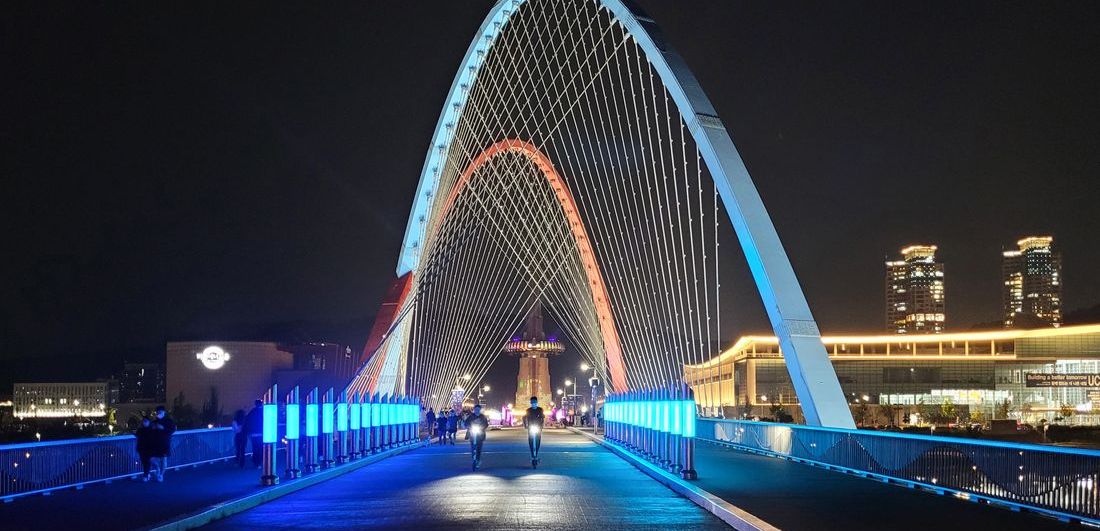 Daejeon
대전
Most high-speed lines meet here, which makes Daejeon the easiest place in Korea to change direction — and the reason so many people pass through without stopping. What is there if you do.
Daejeon
대전
Most high-speed lines meet here, which makes Daejeon the easiest place in Korea to change direction — and the reason so many people pass through without stopping. What is there if you do.
-
 Jeonbuk
전북
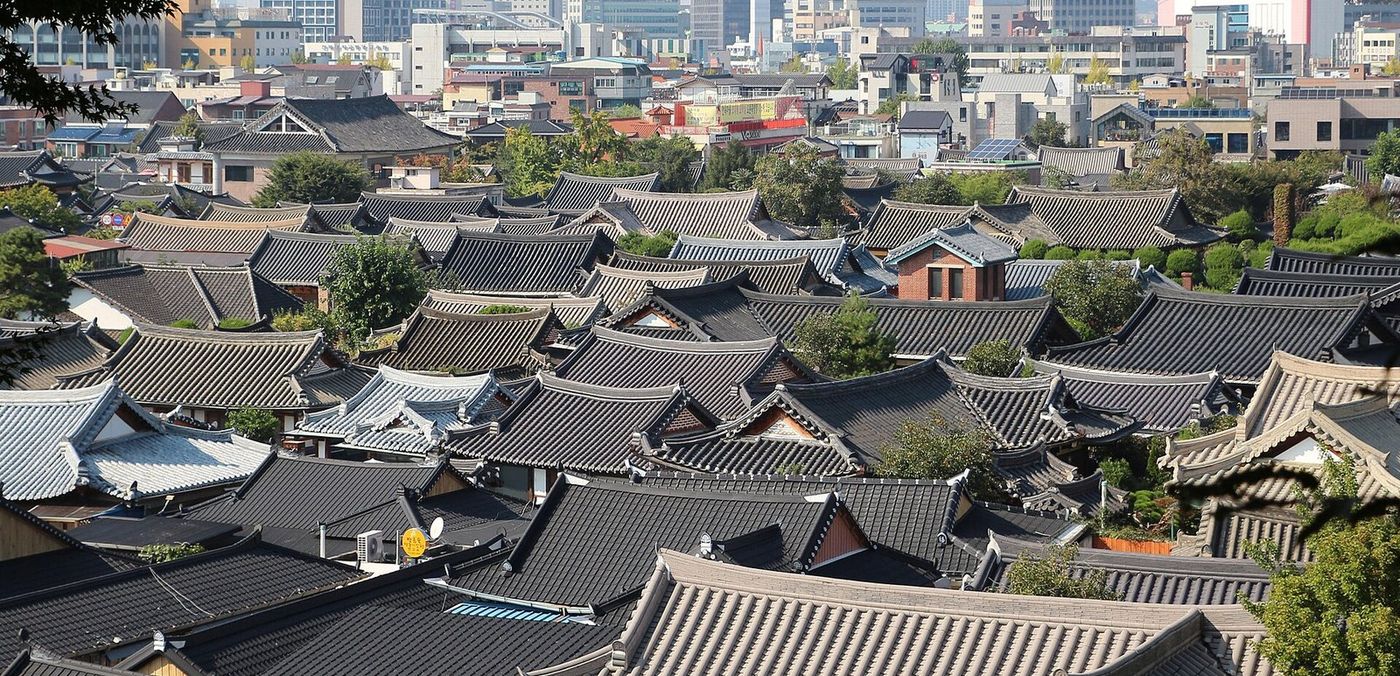
Ask Koreans where to eat and you get the name of a province, not a restaurant. Jeonju holds the largest cluster of traditional houses in the country and the bibimbap every other city measures itself against.
Jeonbuk
전북
Ask Koreans where to eat and you get the name of a province, not a restaurant. Jeonju holds the largest cluster of traditional houses in the country and the bibimbap every other city measures itself against.
-
 Jeonnam
전남
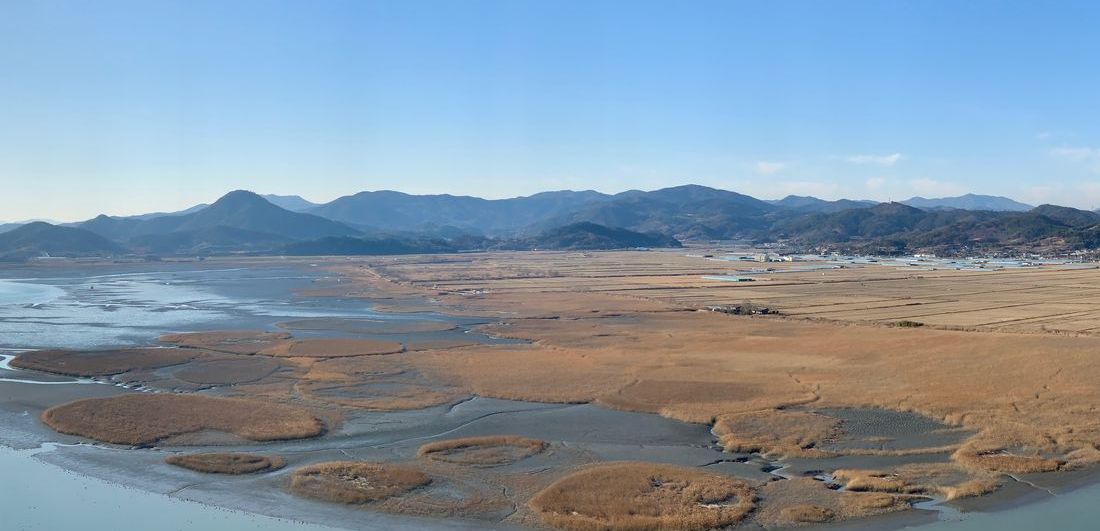
Tidal flat and reed bed as far as the boardwalk goes, green tea planted in terraces up a hillside, and a working harbor that turns on its lights after dark.
Jeonnam
전남
Tidal flat and reed bed as far as the boardwalk goes, green tea planted in terraces up a hillside, and a working harbor that turns on its lights after dark.
-
 Gwangju
광주
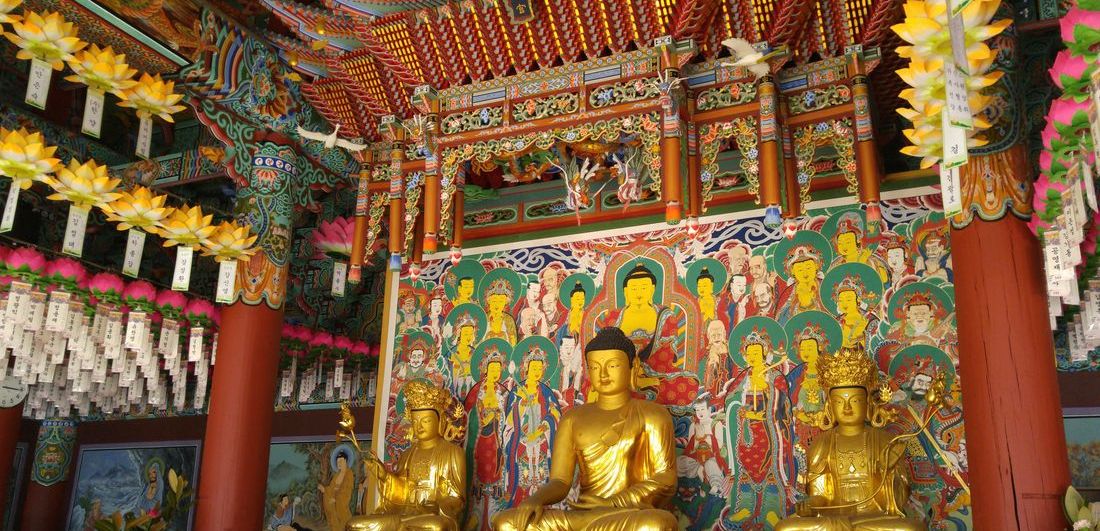
A city serious about art and about memory, hosting one of Asia’s major art biennales, with Mudeungsan rising straight out of its back streets.
Gwangju
광주
A city serious about art and about memory, hosting one of Asia’s major art biennales, with Mudeungsan rising straight out of its back streets.
-
 Gyeongbuk
경북
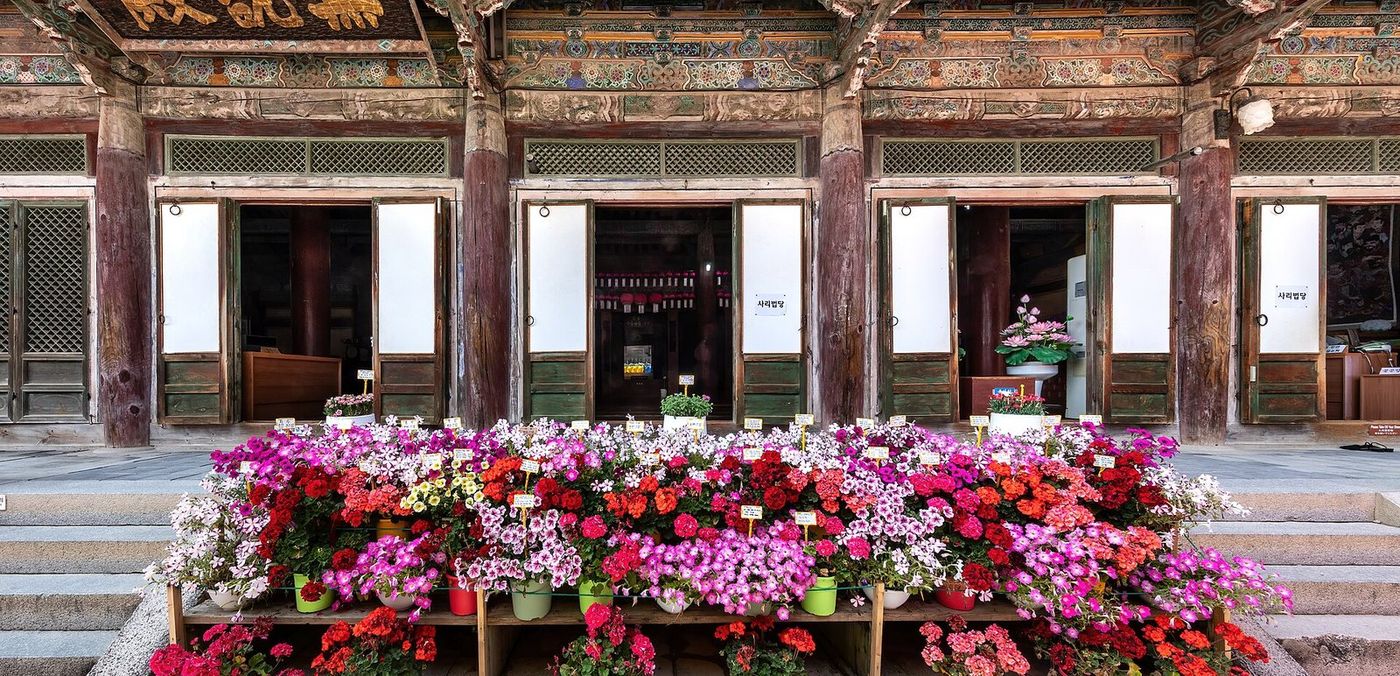
Grass burial mounds in the middle of town, a temple in the hills above it, and a building code that keeps glass towers out of the frame. Plus Andong, where the Confucian houses survived.
Gyeongbuk
경북
Grass burial mounds in the middle of town, a temple in the hills above it, and a building code that keeps glass towers out of the frame. Plus Andong, where the Confucian houses survived.
-
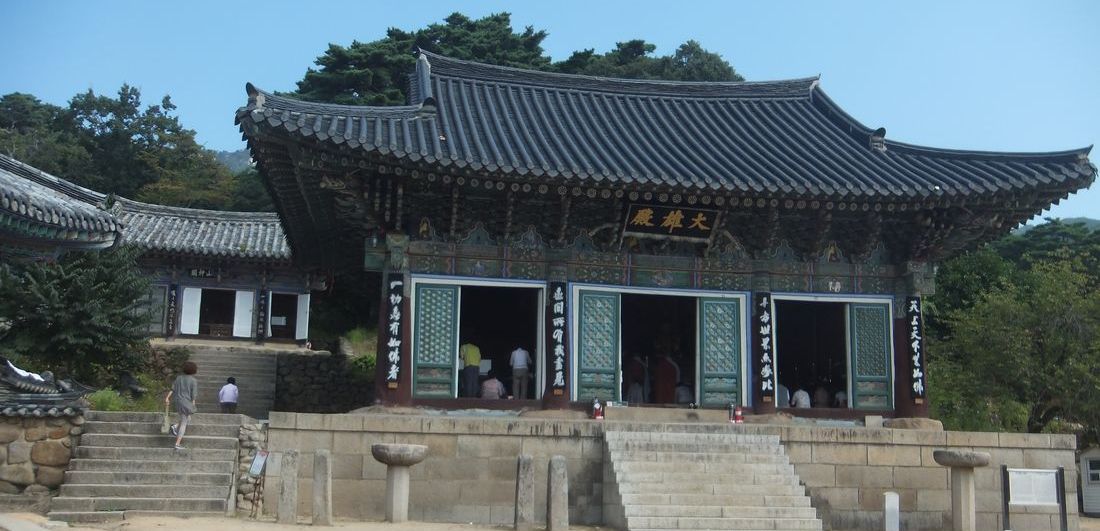 Daegu
대구
A herbal medicine market that has run for centuries, a downtown that stays open late, and Donghwasa on the shoulder of Palgongsan — reachable on a city bus.
Daegu
대구
A herbal medicine market that has run for centuries, a downtown that stays open late, and Donghwasa on the shoulder of Palgongsan — reachable on a city bus.
-
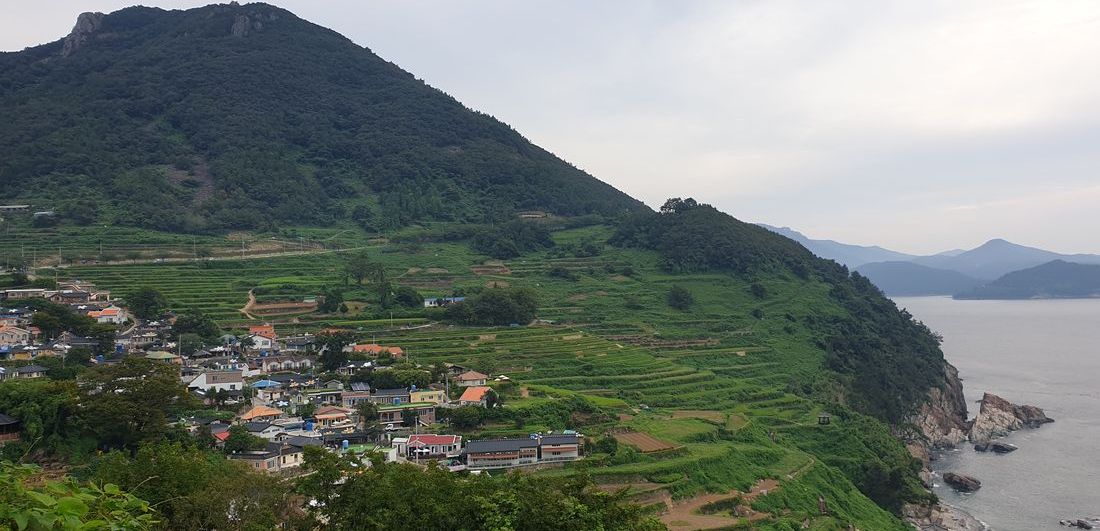 Gyeongnam
경남
Rice terraces falling down a hillside straight into the sea, a harbor town of steep lanes and a cable car, and water full of small islands you can reach by ferry.
Gyeongnam
경남
Rice terraces falling down a hillside straight into the sea, a harbor town of steep lanes and a cable car, and water full of small islands you can reach by ferry.
-
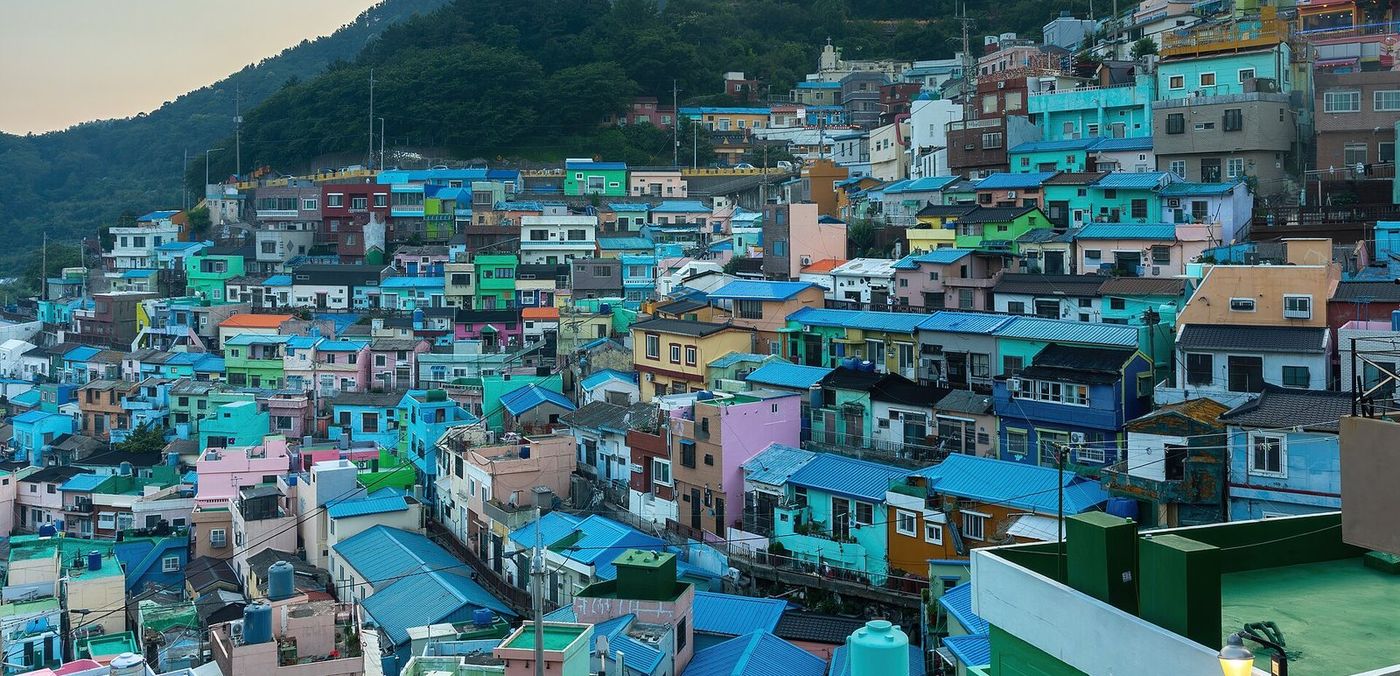 Busan
부산
Wide beaches with towers behind them, a hillside of painted houses, and the loudest fish market in the country. Three days, and the one train booking detail worth checking.
Busan
부산
Wide beaches with towers behind them, a hillside of painted houses, and the loudest fish market in the country. Three days, and the one train booking detail worth checking.
-
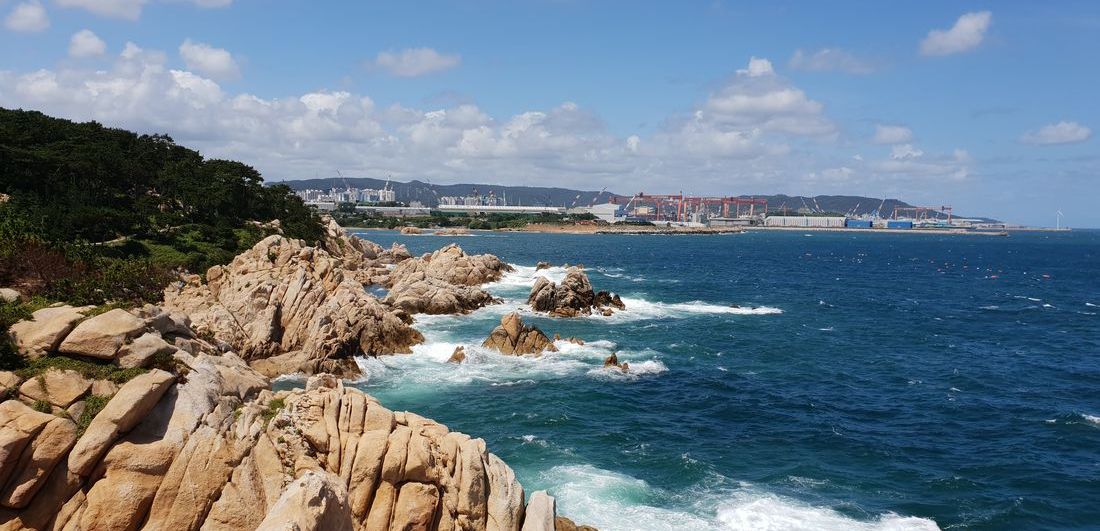 Ulsan
울산
An industrial city that does not pretend otherwise, a headland where the sun comes up on the Korean mainland before anywhere else, and a coast quieter than any beach further south.
Ulsan
울산
An industrial city that does not pretend otherwise, a headland where the sun comes up on the Korean mainland before anywhere else, and a coast quieter than any beach further south.
-
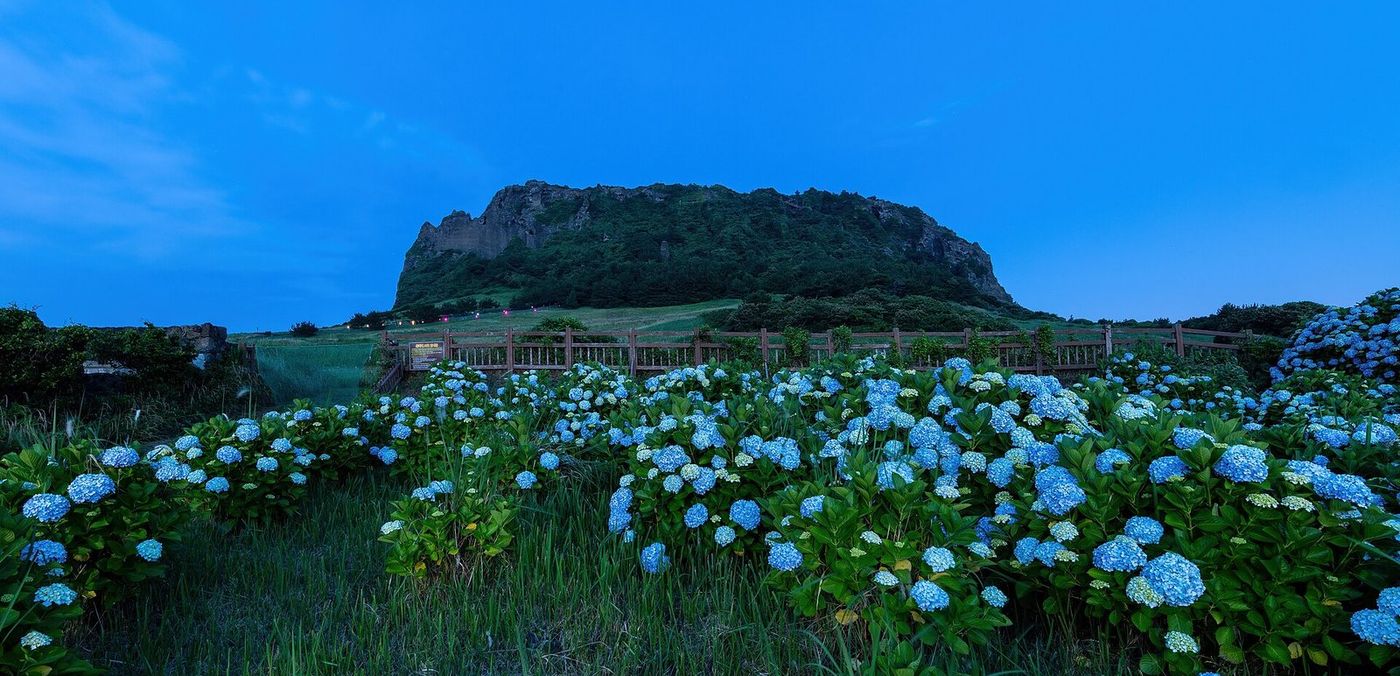 Jeju
제주
An island built by a volcano, an hour’s flight from Seoul on one of the busiest air routes in the world. Sunrise crater, lava tubes, waterfalls into the sea — and honest advice on distances.
Jeju
제주
An island built by a volcano, an hour’s flight from Seoul on one of the busiest air routes in the world. Sunrise crater, lava tubes, waterfalls into the sea — and honest advice on distances.
Putting a route together
The classic mistake is collecting regions like stamps. Korea rewards depth over coverage: two regions done slowly beat five seen from a train window. Three shapes that work:
| Days | A shape that works |
|---|---|
| 5–7 | Capital region only, with one day trip — Suwon’s fortress or the border. |
| 8–14 | Seoul plus one southern anchor: Busan with a day in Gyeongju, or Jeonju with a slow day on the southwest coast. One high-speed leg each way. |
| 15+ | Add a third flavor: Jeju for the island pace, or Gangwon for the mountains. Fly or bus the long hop; take the train for the rest. |
Whatever the shape, park yourself in a few bases and day-trip outward. Repacking a suitcase every other night is how a vacation turns into logistics.
Chapter 20 in six lines
- Seventeen regions, and the fastest trains cross the whole country in a little over two hours.
- Seoul wants four days minimum. Busan wants three. Jeju wants three. Everything else wants one or two.
- Trains for the south, buses for the coast and the mountains, a plane for the island.
- Seoul to Busan costs the same fare whether it takes two hours eighteen or nearly three. Check before you book.
- Pick two regions and go slowly. Five regions from a train window is not five regions.
- Times and prices are not in this chapter on purpose. The app has them and they are always current.
Looking for a rule instead of a place?
The other shelf answers the practical half — how the transit card works, what to say at a door, where allergen labeling stops, and what a public holiday does to a train seat.