
Korea, the practical basics: fifteen things worth knowing first
These are the rules of the place rather than the sights, and the parts that stay true next year. Some of it is the opening chapters of our guidebook, opened up; the rest is written from the official sources we could read at the origin — the law, the city, the agency — with the places we could not verify left out rather than guessed at.
Everything on this shelf
-
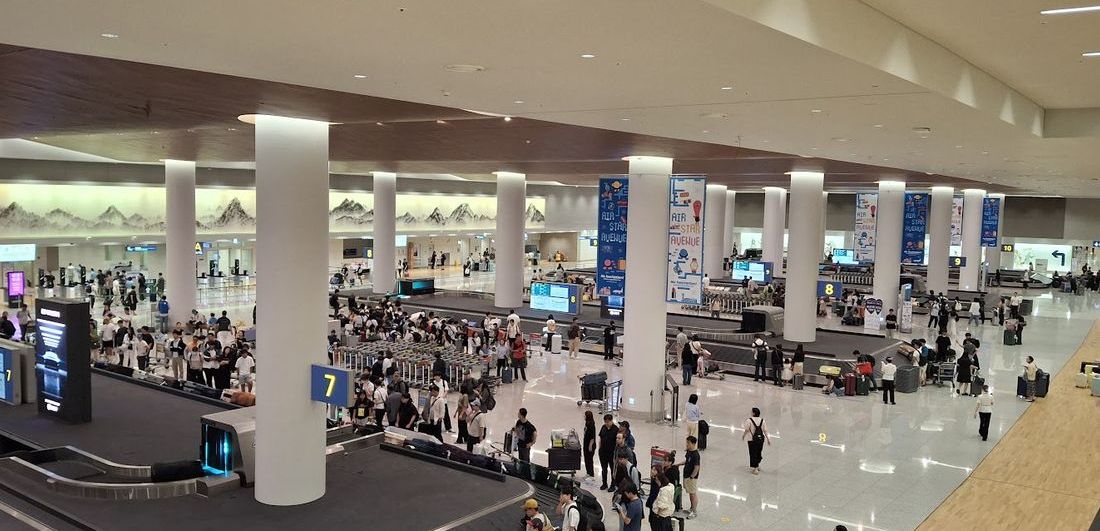 Your first three hours in Korea, in the order they happen
Immigration, baggage, customs, arrivals hall — the sequence never changes. What to have in your hand, how to get online before you leave the building, and the five things that go wrong on day one.
Your first three hours in Korea, in the order they happen
Immigration, baggage, customs, arrivals hall — the sequence never changes. What to have in your hand, how to get online before you leave the building, and the five things that go wrong on day one.
-
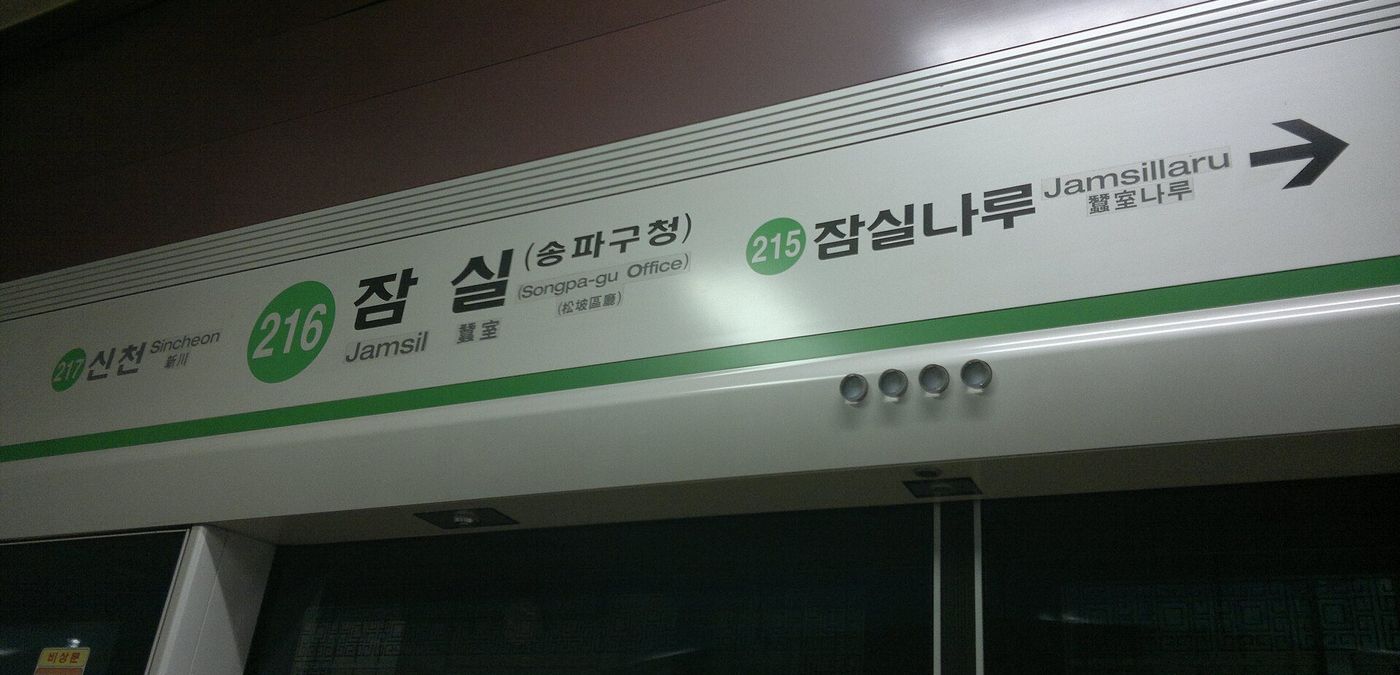 Incheon Airport to Seoul: three ways, and how to choose
The airport railway, the limousine bus and a taxi each win under different conditions. Express AREX timings from Terminal 1 and Terminal 2, and why we do not print the fare.
Incheon Airport to Seoul: three ways, and how to choose
The airport railway, the limousine bus and a taxi each win under different conditions. Express AREX timings from Terminal 1 and Terminal 2, and why we do not print the fare.
-
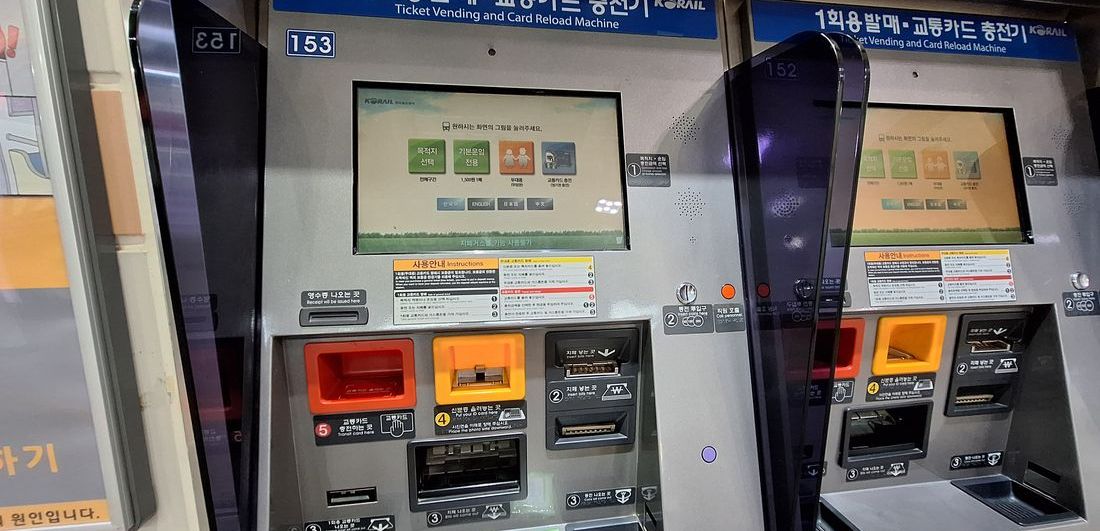 The transit card, and the second tap everyone forgets
Where to buy the card, what the card price is not, and why the tap when you get off a bus is the one that decides your fare. Plus the transfer window and how the subway is signed.
The transit card, and the second tap everyone forgets
Where to buy the card, what the card price is not, and why the tap when you get off a bus is the one that decides your fare. Plus the transfer window and how the subway is signed.
-
 Booking KTX: what to do a month out, and what to do fifteen minutes out
Seats open about a month ahead and the popular Friday runs do sell out. There is no security line, so fifteen minutes before departure is enough. And one booking detail on the Seoul–Busan run is worth forty minutes.
Booking KTX: what to do a month out, and what to do fifteen minutes out
Seats open about a month ahead and the popular Friday runs do sell out. There is no security line, so fifteen minutes before departure is enough. And one booking detail on the Seoul–Busan run is worth forty minutes.
-
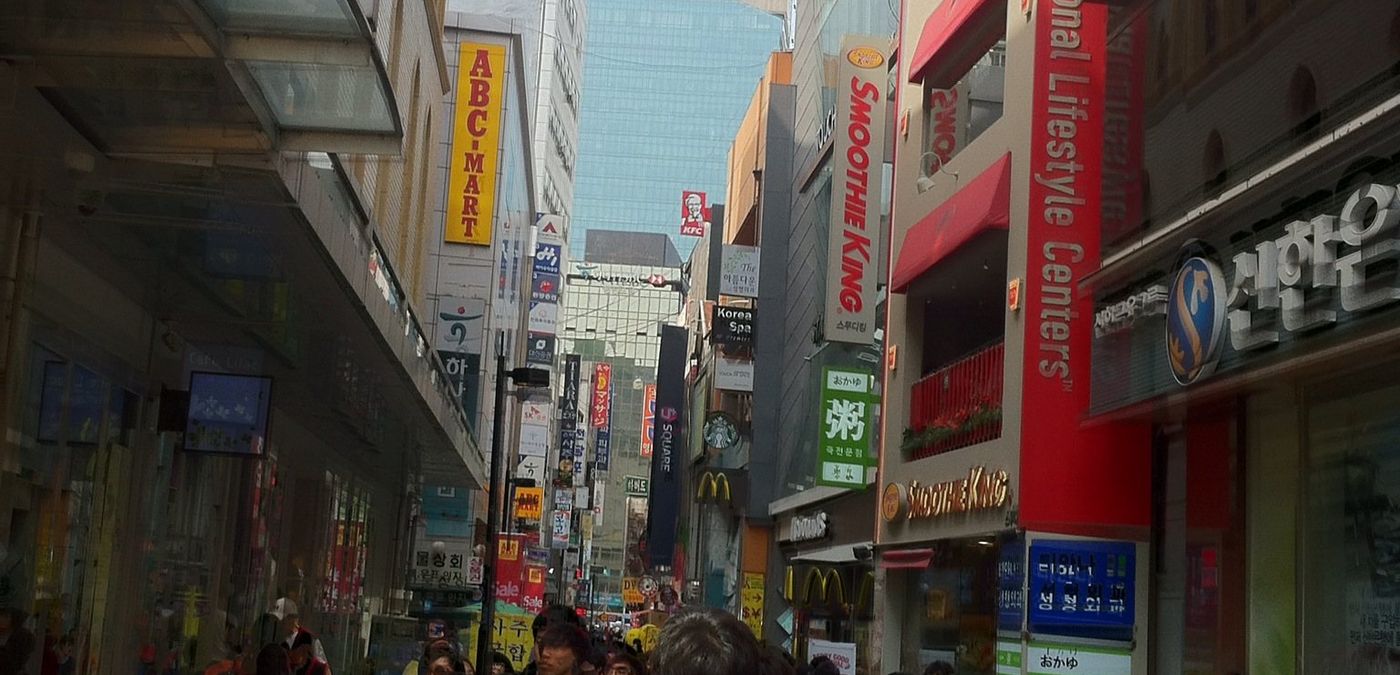 Hangul in an hour: the letters, and how they stack
Fourteen consonants, ten vowels, and one rule about how they stack into a square. Enough to sound out a station name or a menu without knowing what the word means.
Hangul in an hour: the letters, and how they stack
Fourteen consonants, ten vowels, and one rule about how they stack into a square. Enough to sound out a station name or a menu without knowing what the word means.
-
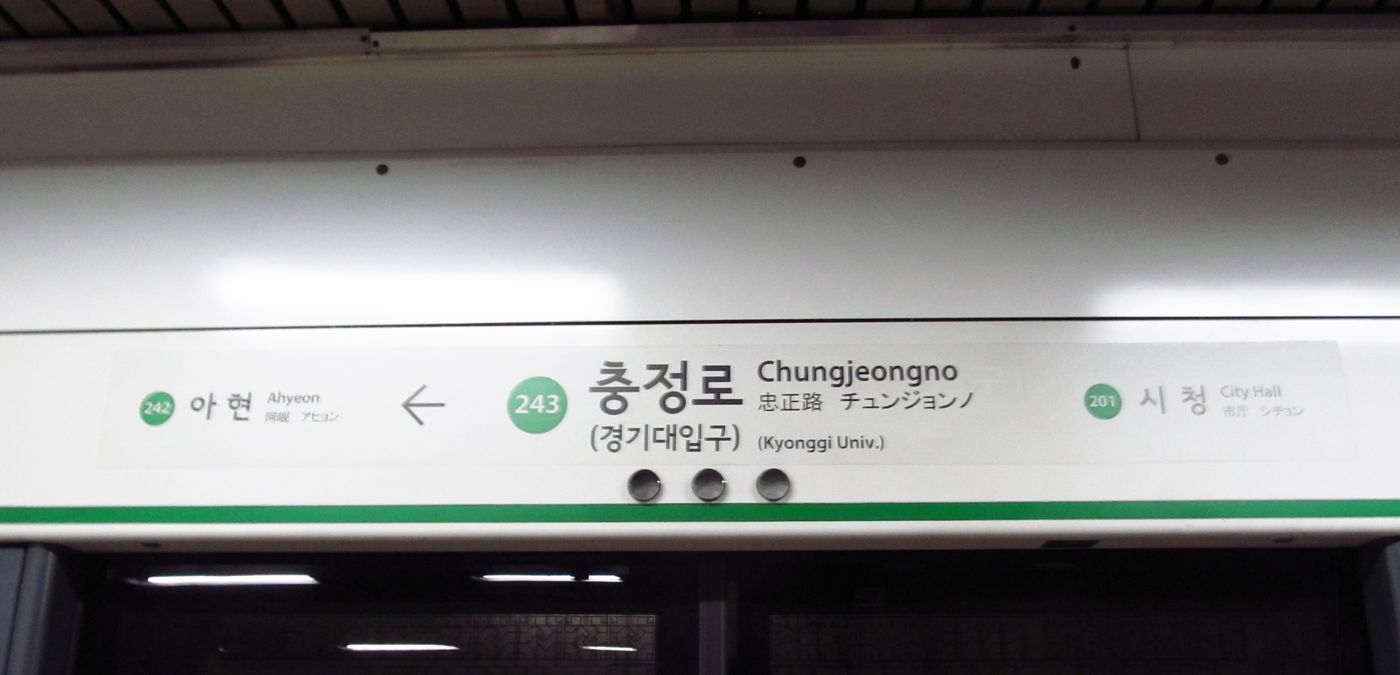 Reading a Korean sign, a Korean menu and a Korean door
Once you know the letters, the next hour is practice on the three things you will actually meet: station names on a wall, words on a menu, and the two words on a door.
Reading a Korean sign, a Korean menu and a Korean door
Once you know the letters, the next hour is practice on the three things you will actually meet: station names on a wall, words on a menu, and the two words on a door.
-
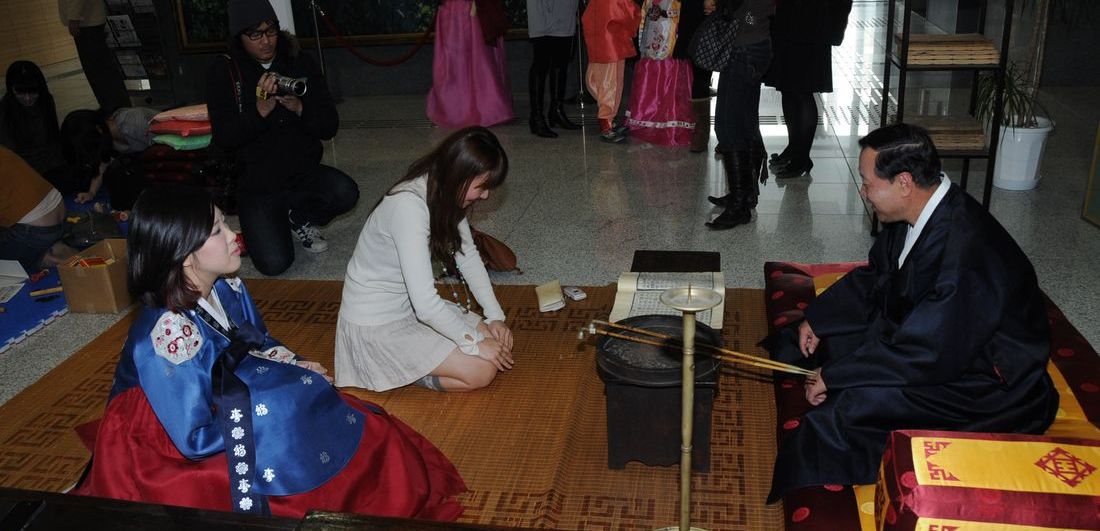 One phrase, one small bow, and what to call people
One phrase covers almost every door you walk through. The bow is smaller than visitors expect, names run family-name first, and one polite register is all you need for a whole trip.
One phrase, one small bow, and what to call people
One phrase covers almost every door you walk through. The bow is smaller than visitors expect, names run family-name first, and one polite register is all you need for a whole trip.
-
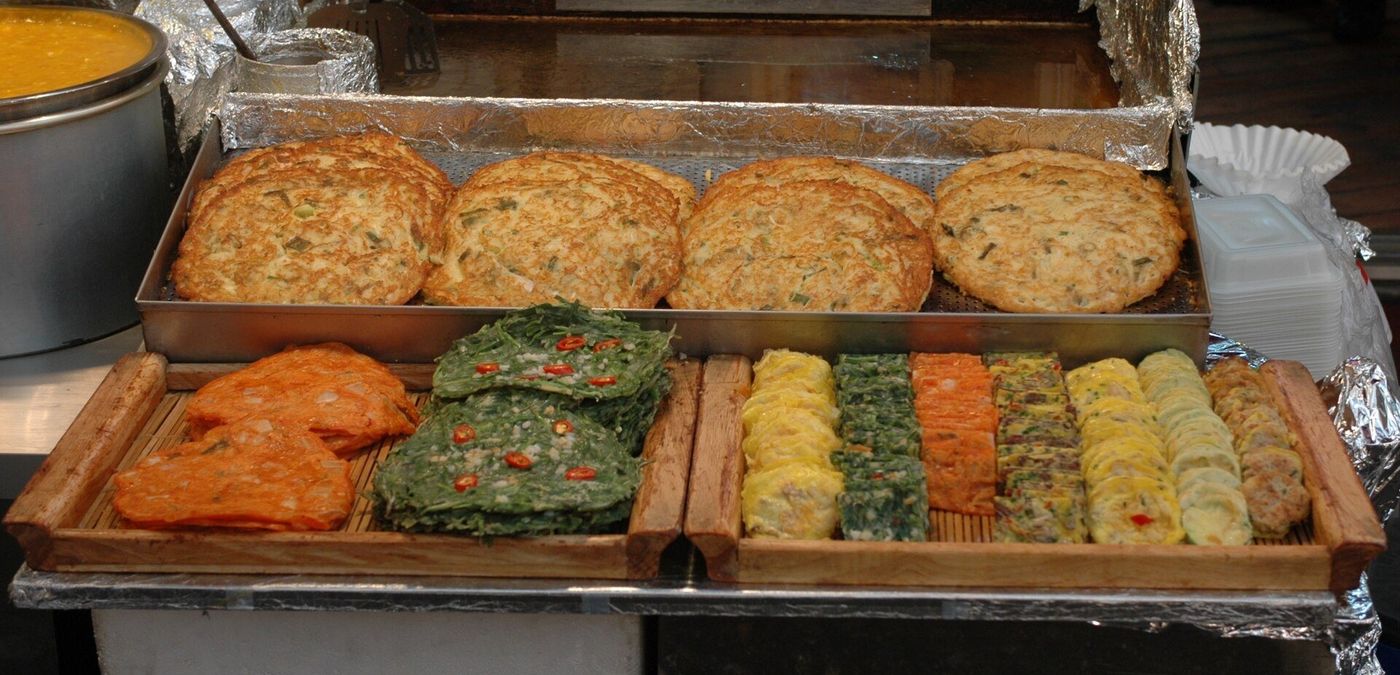 Calling the staff, paying at the counter, and not tipping
Waiting quietly to be noticed is the one habit that will leave you hungry. Press the button or call out, carry the slip to the counter when you are done, and leave nothing on the table.
Calling the staff, paying at the counter, and not tipping
Waiting quietly to be noticed is the one habit that will leave you hungry. Press the button or call out, carry the slip to the counter when you are done, and leave nothing on the table.
-
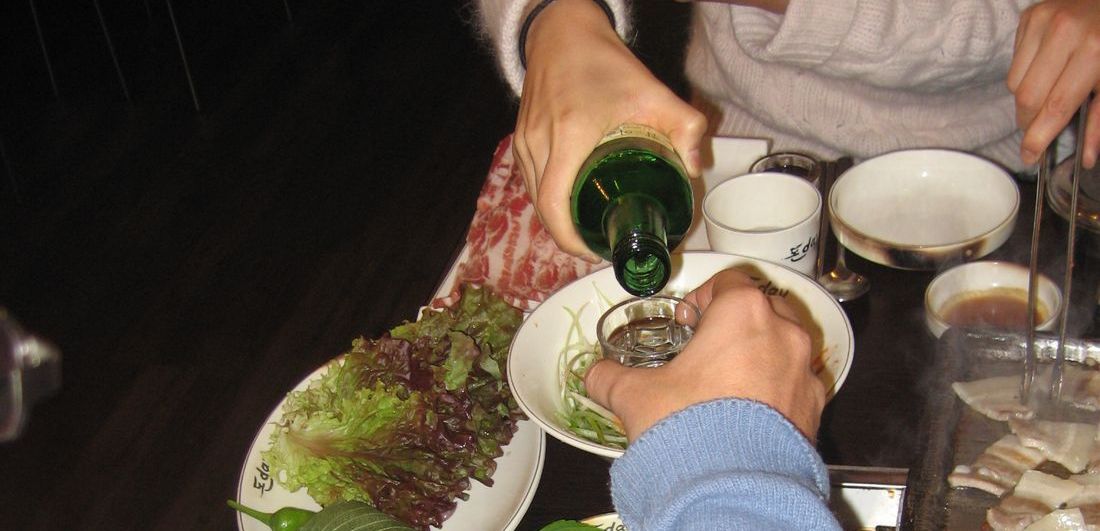 The manners that actually matter, and the ones nobody minds
Where exactly the shoes come off, why a stranger asks your age within a minute of meeting you, the one rule about pouring, and the long list of things that get forgiven instantly.
The manners that actually matter, and the ones nobody minds
Where exactly the shoes come off, why a stranger asks your age within a minute of meeting you, the one rule about pouring, and the long list of things that get forgiven instantly.
-
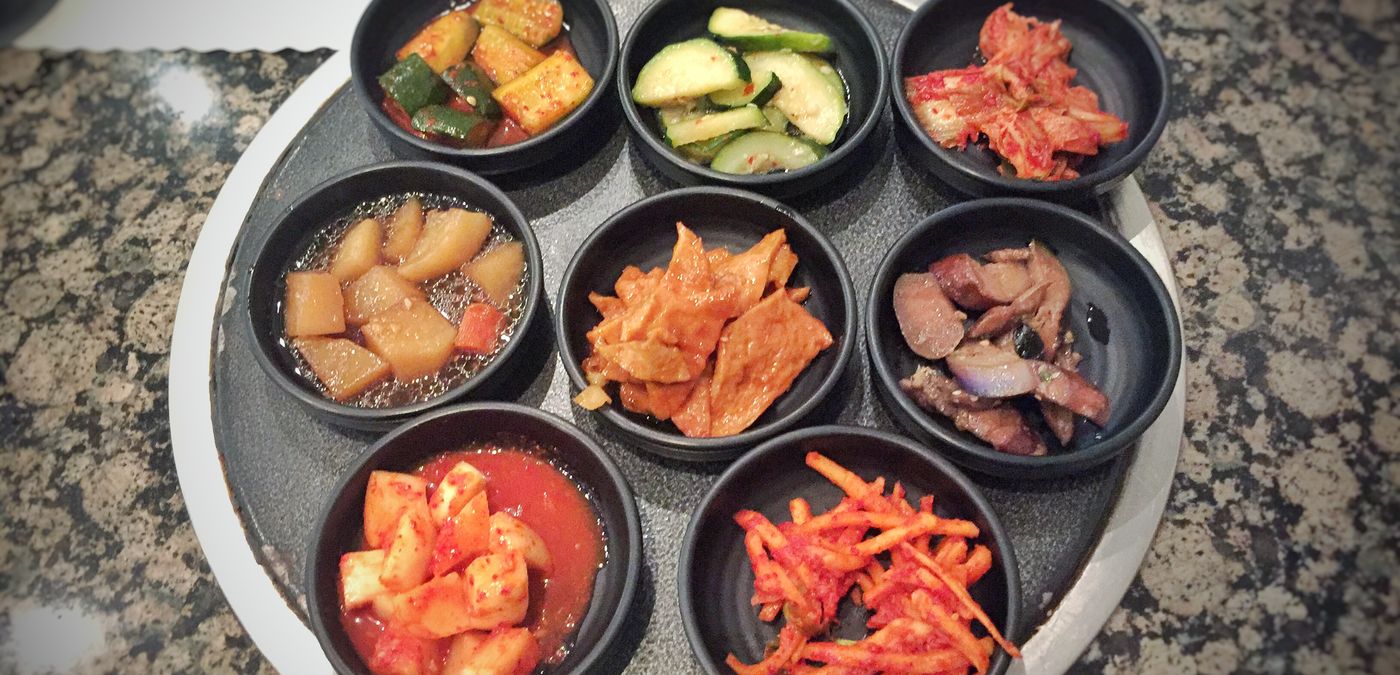 Food allergies in Korea: who has to label, and who does not
Packaged food must name 19 substances whatever the quantity. Ordinary restaurants have no such duty at all. What that means in practice, and the everyday ingredient that is not on the list.
Food allergies in Korea: who has to label, and who does not
Packaged food must name 19 substances whatever the quantity. Ordinary restaurants have no such duty at all. What that means in practice, and the everyday ingredient that is not on the list.
-
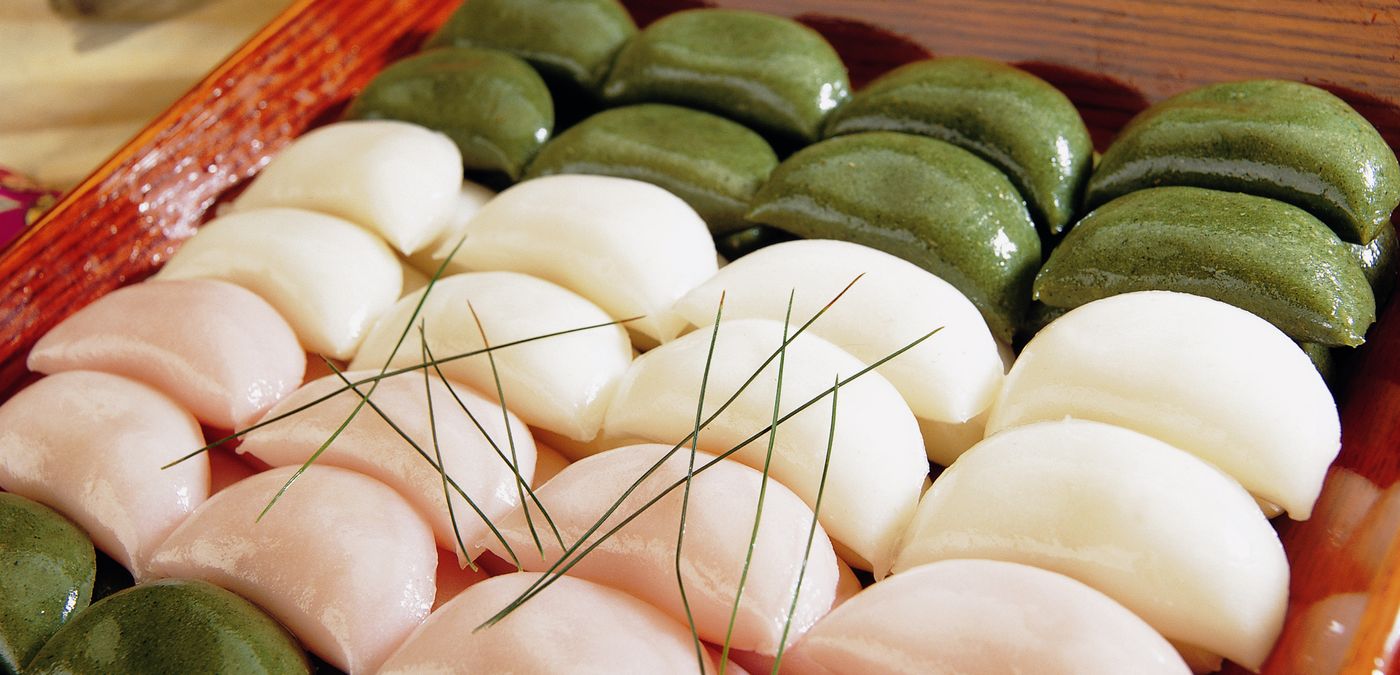 Korean public holidays: the rule, not the dates
Seollal and Chuseok are three days each and move every year because they follow the lunar calendar. Labor Day joined the list in 2026. What actually changes for a traveler.
Korean public holidays: the rule, not the dates
Seollal and Chuseok are three days each and move every year because they follow the lunar calendar. Labor Day joined the list in 2026. What actually changes for a traveler.
-
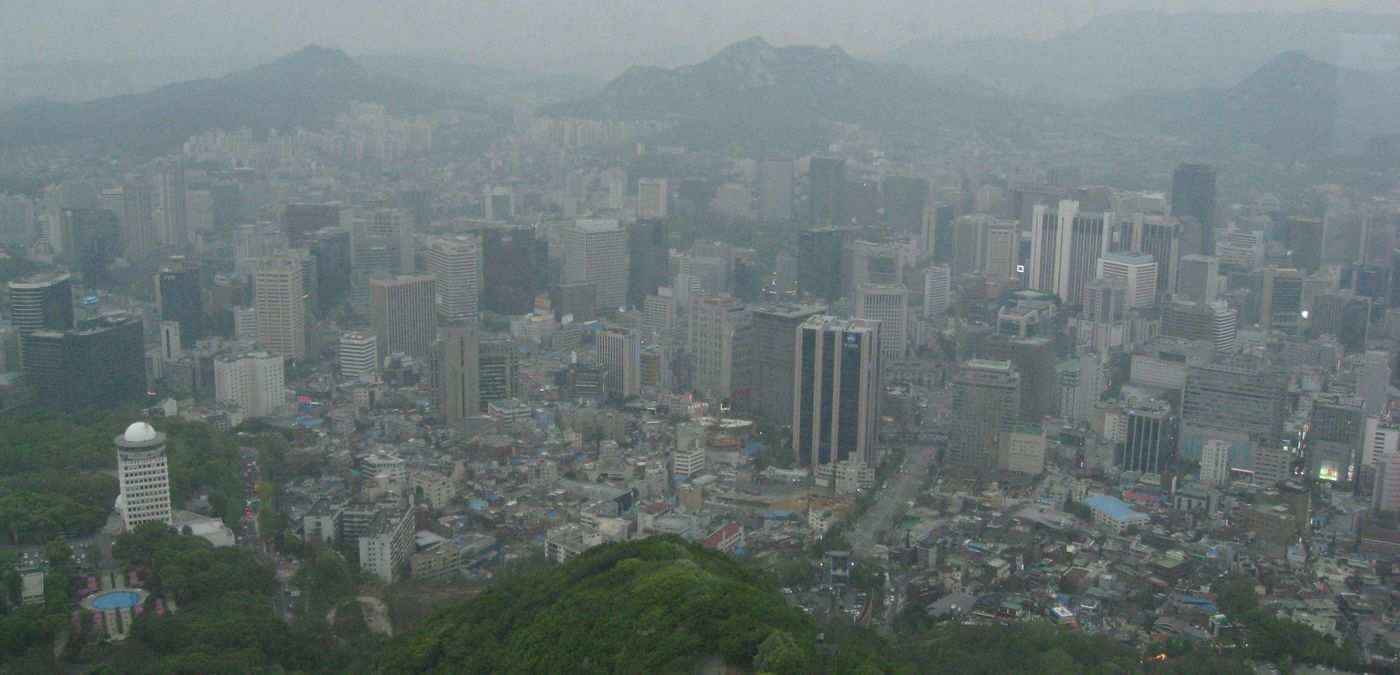 Fine dust in Korea: four words, and what they mean
Korea talks about air in grades rather than weather. Four grade names, the PM-10 and PM-2.5 boundaries behind them, and the one thing the number is not telling you.
Fine dust in Korea: four words, and what they mean
Korea talks about air in grades rather than weather. Four grade names, the PM-10 and PM-2.5 boundaries behind them, and the one thing the number is not telling you.
-
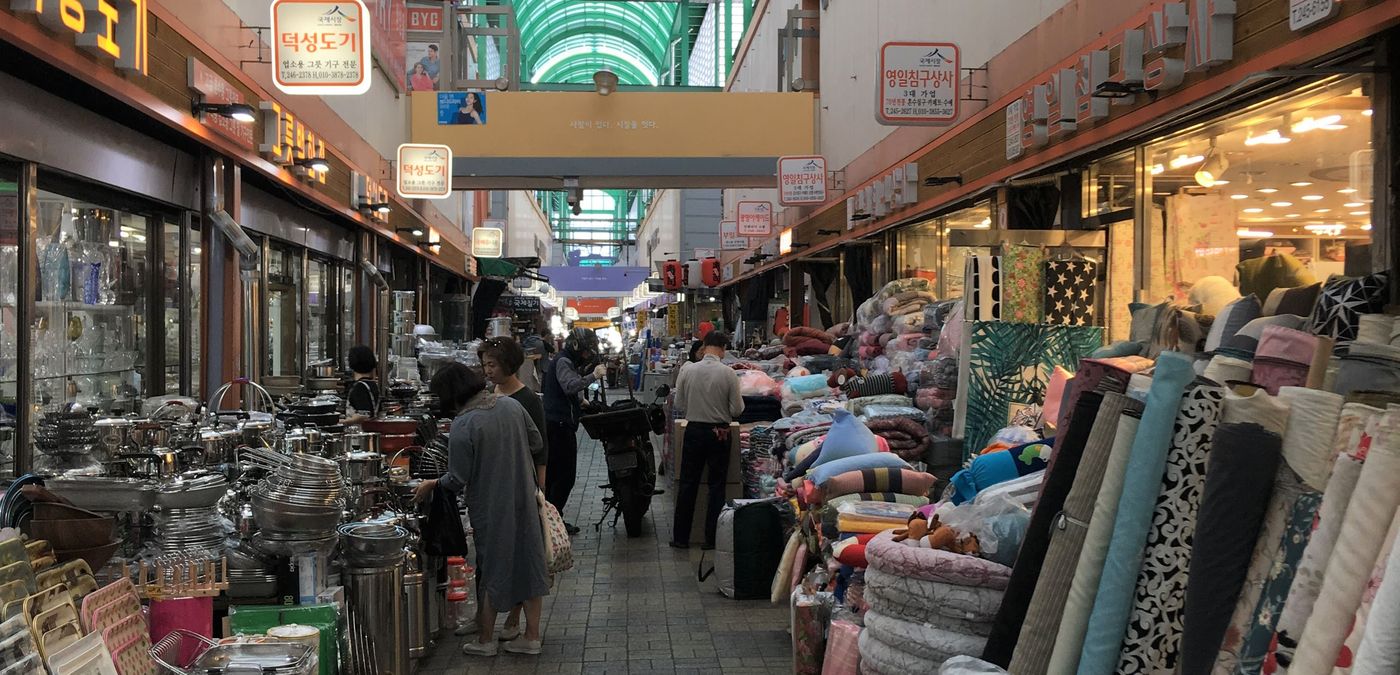 The tourist tax refund: three things you have to do
Show your passport, take the sales confirmation, and show goods and form to customs when you leave. Plus the two limits written into the immediate-refund rule, and the one number we will not print.
The tourist tax refund: three things you have to do
Show your passport, take the sales confirmation, and show goods and form to customs when you leave. Plus the two limits written into the immediate-refund rule, and the one number we will not print.
-
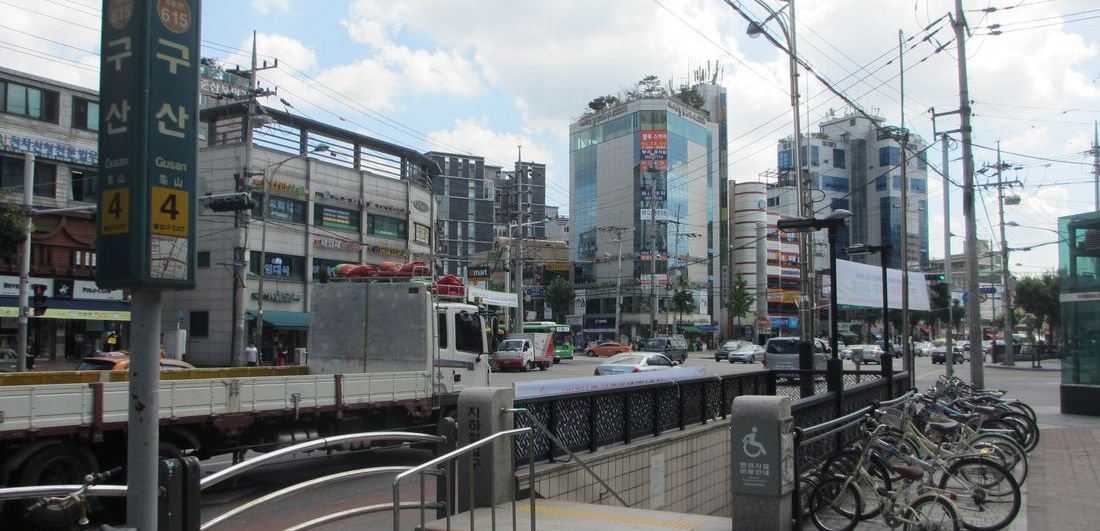 Three numbers to keep, and what each one actually answers with
Police is 112 with interpretation in English and Chinese around the clock. Fire and ambulance is 119. And 1330 is the travel helpline that answers in English and Japanese, 24 hours, free, from anywhere in the country.
Three numbers to keep, and what each one actually answers with
Police is 112 with interpretation in English and Chinese around the clock. Fire and ambulance is 119. And 1330 is the travel helpline that answers in English and Japanese, 24 hours, free, from anywhere in the country.
-
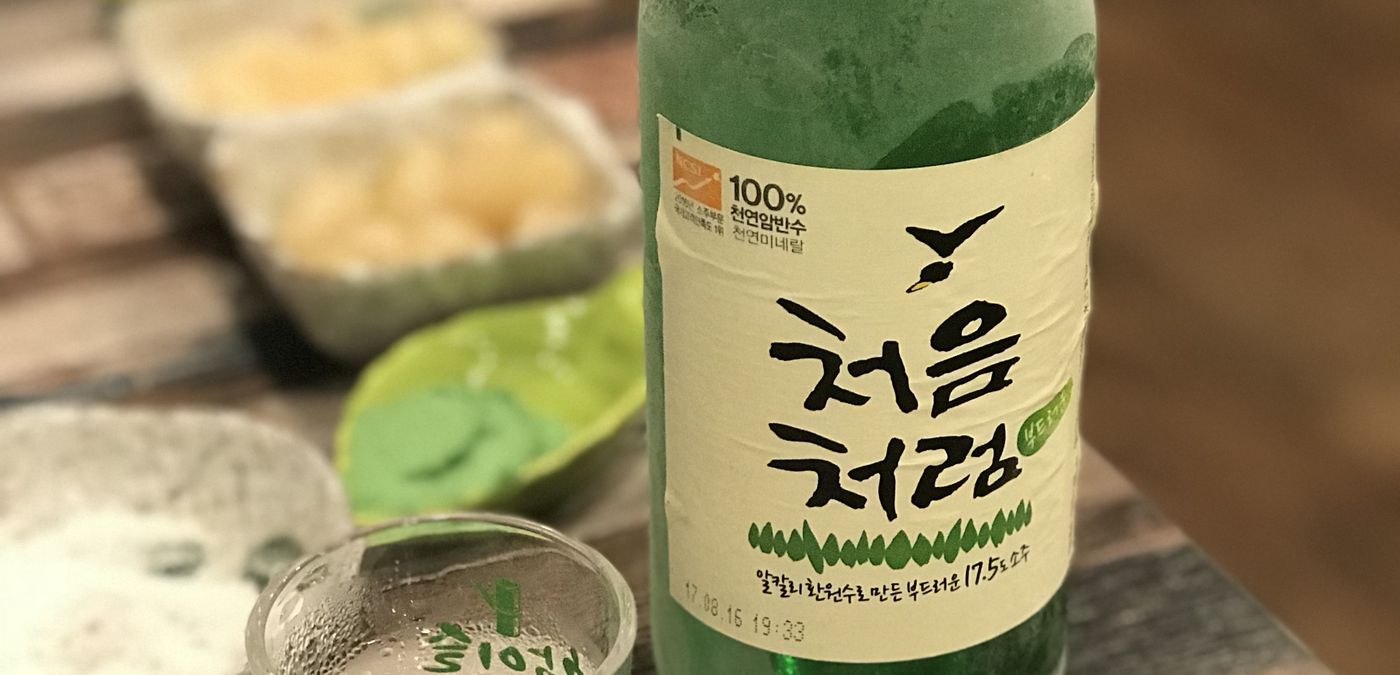 Drinking in Korea: the age is a year, and the street is not a ban
The threshold is the calendar year you turn 19, not your birthday, and sellers are required to check. Outdoor drinking is not banned outright — but local governments designate no-drinking zones, and those zones must be signposted.
Drinking in Korea: the age is a year, and the street is not a ban
The threshold is the calendar year you turn 19, not your birthday, and sellers are required to check. Outdoor drinking is not banned outright — but local governments designate no-drinking zones, and those zones must be signposted.
Looking for a place instead of a rule?
The region pages answer the other half of the question — what is there, how you reach it from Seoul, and how many days it wants.