
Korean Café Culture: A Visitor's Guide for First-Timers
Why Korea has a café on every corner: café types, the best Seoul areas for café-hopping, how kiosks and buzzers work, tea houses and bingsu.
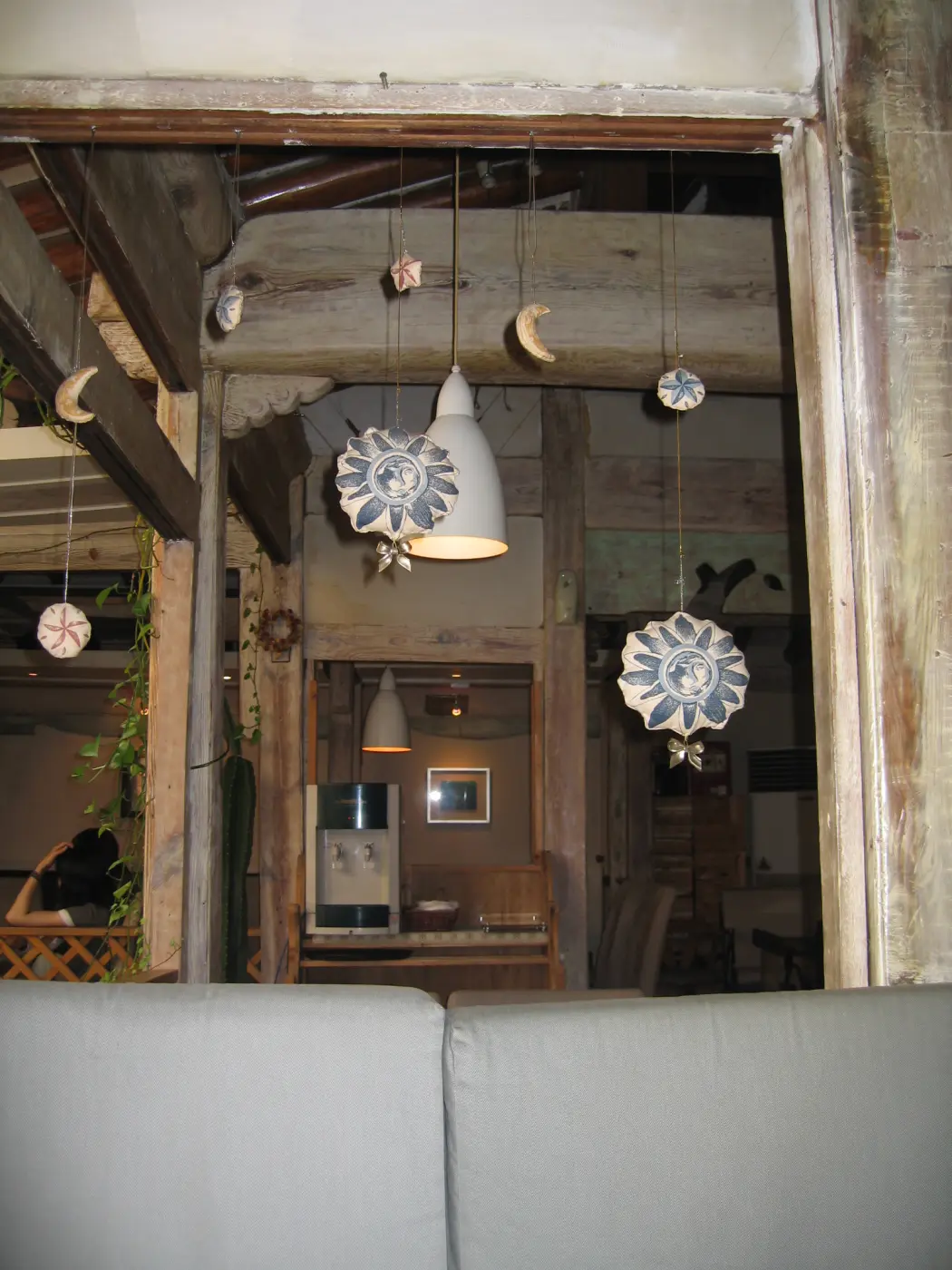
Walk down almost any street in a Korean city and you will pass a café, then another, then two more facing each other across the road. Some are tiny takeaway counters, some fill an entire converted warehouse, and some sit inside a hundred-year-old house with a tiled roof. For many first-time visitors, the sheer number of cafés is one of the first surprises of the trip, and café-hopping quickly becomes part of the plan.
This guide explains why cafés matter so much in everyday Korean life, what kinds you will meet, which Seoul neighbourhoods are worth a slow afternoon, and how ordering actually works, from the self-order kiosk to the buzzer that tells you your drink is ready. We also cover traditional tea houses, the desserts you will see on every menu, and the small unwritten rules that help you blend in. We have left out prices on purpose: they vary widely and change often, and you will see them on the menu board anyway.
Why there is a café on every corner
Coffee is only part of the story. In Korea a café works as a living room outside the home. Friends meet there instead of at each other's flats, couples spend whole afternoons there, colleagues hold informal meetings there, and students and remote workers settle in with laptops for hours. Korea.net, the government's official portal, has published a contributor's piece on Korea's café habit that mentions the colloquial word cagongjok, meaning people who love to study at cafés. When so many people use cafés as a study room, an office and a meeting place, a neighbourhood can support far more of them than you might expect.
Cafés also cluster. The Korea Tourism Organization (VisitKorea) notes that places where cafés are grouped together are sometimes known as a "Café Street", and points to Apsan Café Street in Daegu as one example, a street mixing franchise cafés with small independent ones. Seoul has several such areas, and a few of them have become destinations in their own right. Design is part of the attraction: many independent cafés put real effort into their interiors, so people visit as much for the space as for the drink.
Tradition has a place too. Visit Seoul, the city's official tourism site, describes how traditional Korean tea has gained popularity and how hanok cafés, set in renovated traditional houses, have become a trend alongside it. So in the same afternoon you can drink a carefully poured flat white in a former factory and a cup of jujube tea in a room with paper windows.
Types of cafés you will meet
| Café type | What to expect | Good for |
|---|---|---|
| Hanok café | A café inside a traditional Korean house: tiled roof, wooden beams, sometimes a small courtyard or floor seating | Atmosphere, photos, pairing coffee or tea with old Seoul |
| Bakery café | Coffee plus a counter of breads, pastries and cakes, often baked on site; trays and tongs for self-service | Breakfast, a light lunch, sharing several pastries |
| Dessert café | Menus built around one speciality, such as bingsu, cakes or reinvented Korean sweets | An afternoon treat, especially bingsu in summer |
| Themed café | A strong concept, from a favourite character or game to a striking interior; rules and set-ups vary | Fans, families, a one-off experience |
| Study café | A quiet, separate business where people pay for time at a desk; drinks are secondary | Mostly locals preparing for exams; not a place to chat |
| Traditional tea house | Korean teas such as jujube, ginger or ssanghwa tea, often with rice snacks, in a calm, low-lit room | A slow break in Insadong or Ikseon-dong, a caffeine-free option |
Hanok cafés are the type most visitors seek out first. The setting is the draw: low eaves, wooden lattice doors, a glimpse of sky above a courtyard. Some have floor seating, in which case you take your shoes off before you step up, just as you would in a home.
Bakery cafés are where Korea's love of bread shows. You usually pick up a tray and tongs, choose what you like from the shelves, and take the tray to the counter to pay along with your drink. Dessert cafés focus on a single speciality and are often busiest in the late afternoon and on weekends.
Themed cafés range from character merchandise and gaming concepts to animal encounters. If you are considering a café with live animals, check how the animals are treated and what the rules are before you go, and leave if anything makes you uncomfortable. Study cafés, finally, look like cafés from the outside but work more like a paid quiet library. They are not designed for travellers wanting a coffee and a chat, and you will rarely need one.
Three neighbourhoods for café-hopping in Seoul
Ikseon-dong. Tucked behind Jongno 3-ga Station (Exit 4 is the closest, according to Visit Seoul), Ikseon-dong is a small grid of hanok alleys that has filled with cafés, restaurants and boutique shops. Visit Seoul describes it as Seoul's first planned residential area: in the early 1920s, developer Jeong Se-gwon bought a large plot, divided it into smaller hanok homes and sold them to Koreans. The narrow lanes are part of the charm, and the entrance is easy to miss from the main road, so look for the alleys rather than a big sign.
Seongsu-dong. On the east side of the city, Seongsu was known for old factories and a street of shoe workshops. VisitKorea describes how the area around Yeonmujang-gil was reborn as a place of trendy cafés and culture, while car repair shops, printing works and handmade shoe businesses still operate around them. Expect large cafés in converted warehouses and industrial buildings, design shops and pop-up stores next to working garages. Go on a weekday if you can; weekends are crowded.
Yeonnam-dong. Near Hongik University Station, Yeonnam-dong runs along the Gyeongui Line Forest Park, a 6.3 km park that Visit Seoul says was once an abandoned railroad track. The Yeonnam-dong stretch is nicknamed "Yeontral Park" after New York's Central Park, and Visit Seoul notes that the neighbourhood has more small cafés and trendy shops than large franchises, tucked into deep alleyways. It is a good place to pick up a drink and sit on the grass on a fine evening.
If you want to fit these areas into a short trip, our 3-day Seoul plan shows how Yeonnam-dong fits into a Hongdae afternoon. Ikseon-dong sits close to Insadong, so the two make an easy pair with a palace visit in the same part of town.
How ordering works
Korean cafés are almost always order-at-the-counter. Nobody will bring you a menu at the table. The typical sequence looks like this:
- Order and pay first, either at the counter or at a self-order kiosk near the door. Some kiosks offer other languages, so look for a language option on the first screen.
- Choose hot or iced. Iced drinks are popular all year round, so you will often be asked even in winter.
- Say whether you are staying or taking away. Staff commonly ask this at the counter, and kiosks usually ask on the first or last screen.
- Take the buzzer (a small vibrating pager) or note your order number. When it flashes or your number appears on a screen, collect your drink from the pick-up counter.
- When you leave, take your cup and tray to the return shelf. In most cafés this is self-service, and separating ice, liquid and rubbish is often expected where bins are marked.
If you only learn one phrase, make it the one for takeaway: pojanghae juseyo, "to go, please". For staying in, you can simply point at a table or say "here". Most baristas in central Seoul are used to foreign customers, and pointing at the menu board works everywhere.
Why the staying-or-going question matters: under the environment ministry's rules for food-service businesses, cafés are not supposed to serve customers who stay in with disposable cups, while takeaway is not covered (ministry card news, 14 April 2022). In November 2023 the ministry announced that disposable paper cups could be used in-store again, but disposable plastic cups still cannot be used for drinking inside (Korea Policy Briefing, 13 November 2023). The rules in this area have changed several times, so the practical advice is simple: if you say you are staying, expect a glass or mug; if you change your mind, ask staff to switch your drink into a takeaway cup rather than walking out with a café mug.
Traditional tea houses
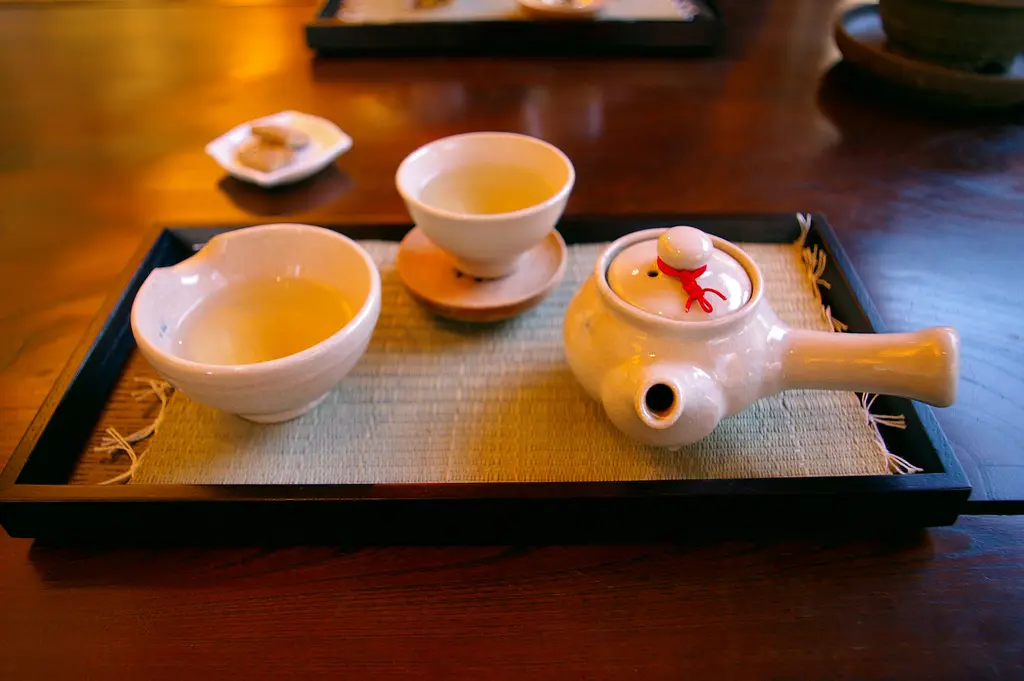
For a slower, older side of Korean café culture, try a traditional tea house. The easiest place to find one is Insadong, which Visit Seoul calls home to Korean handicrafts, traditional tea and temple food, with tea houses "tinged with the flavor of Korea". Neighbouring Ikseon-dong has hanok tea houses too.
Many Korean "teas" are not made from tea leaves at all. VisitKorea's listings for Insadong tea houses mention ssanghwacha, a thick, warming herbal tea, along with daechucha (jujube tea), saenggangcha (ginger tea) and omija tea, made from a red berry with a sweet-sour flavour. Some tea houses serve hobak sikhye, a pumpkin version of the sweet rice drink, and traditional snacks such as yugwa, a puffed rice cracker. Honey cookies called yakgwa also turn up beside tea. Most of these drinks are caffeine-free, which makes a tea house a good stop in the late afternoon.
Tea houses are slower and quieter than cafés. Many offer table service rather than counter ordering, and some have floor seating on cushions. Take your time; nobody expects you to leave the moment your cup is empty.
Desserts worth knowing by name
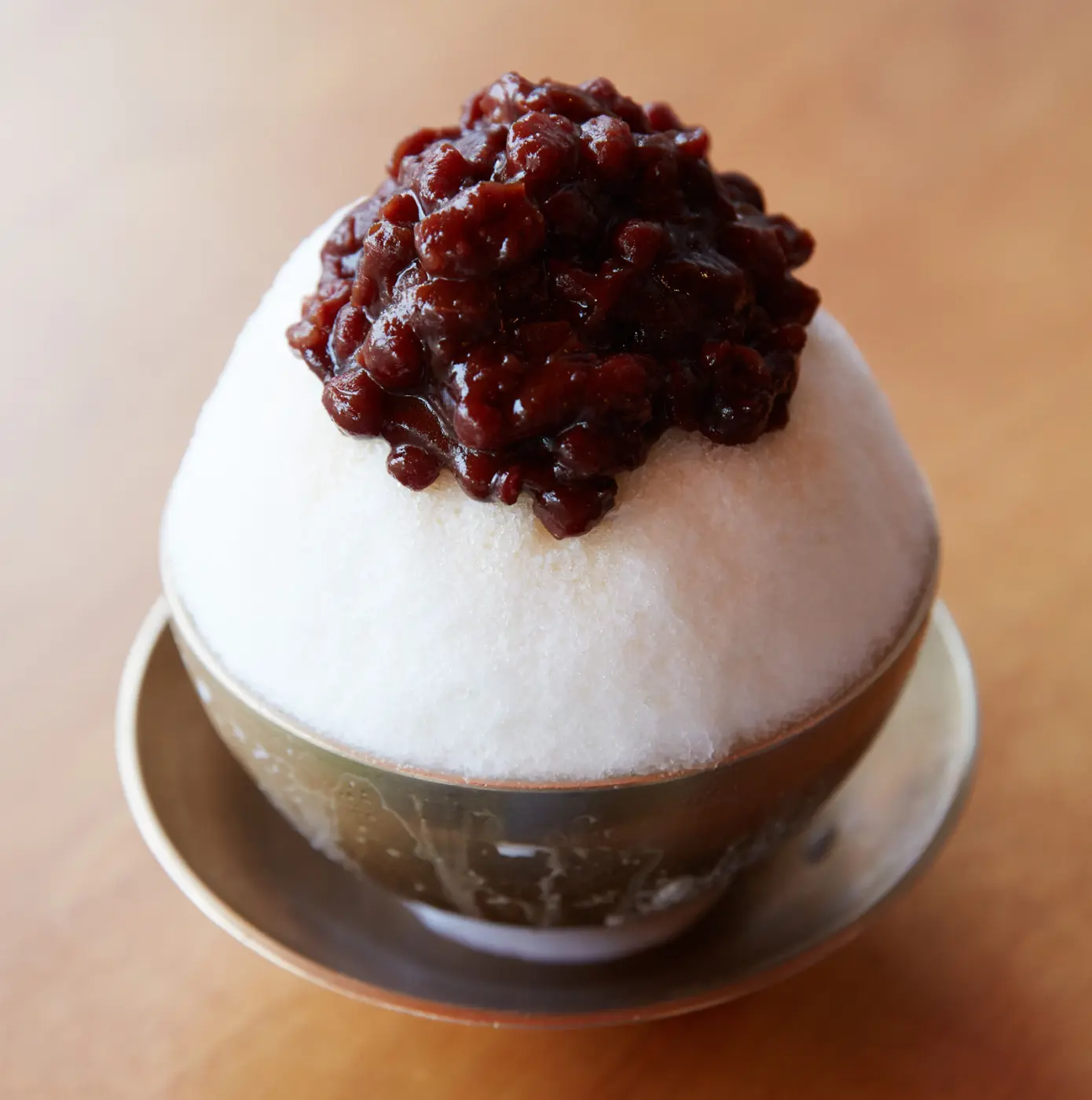
The dessert you will see everywhere in summer is bingsu. VisitKorea describes it as a traditional Korean shaved-ice dessert with a variety of toppings, with patbingsu, shaved ice topped with sweet red bean paste, as the classic. Fruit bingsu is just as common, and new varieties appear every year. Portions are usually large enough for two or three people to share from the same bowl with separate spoons, which is completely normal.
Other names worth recognising on café menus: injeolmi, a soft rice cake coated in roasted soybean powder that often appears as a bingsu topping or in toast; misutgaru, a roasted grain powder drunk as a latte-style shake; and yuja tea, a sweet citron preserve stirred into hot water. Many cafés also reinvent traditional sweets such as yakgwa in modern desserts. If you have a food allergy, these menus often include nuts, soy, dairy and wheat, so check before ordering.
Café etiquette: the unwritten rules
Korean cafés are relaxed places, and there are no formal rules for visitors beyond whatever a particular café posts. A few habits will help you fit in.
- One drink per person is the usual courtesy, especially in small independent cafés where seats are limited.
- Long stays are common. Students and remote workers often stay for hours, but at busy times it is polite to give up a big table if you are only one person.
- Many people leave a phone or laptop on the table while they go to the counter or the toilet. It is common to see, but use your own judgement with valuables.
- Power outlets vary. Some cafés provide plenty at window bars and large tables; others cover them up to keep seats turning over. If outlets are blocked, take the hint.
- Keep your voice down in small cafés and tea houses. Some independent cafés post signs asking for quiet or for no photography of other guests or the interior; follow them.
- Read the door before you go in. Some cafés post their own house rules, such as time limits at busy hours or rules about outside food. Policies vary from café to café.
Opening hours vary as much as the cafés themselves, and small independent cafés often keep shorter or irregular hours, with a regular day off. If a particular café is the reason for your trip across town, check its latest hours first.
Making the most of it
The best way to enjoy Korean café culture is to treat it as part of the sightseeing, not just a break from it. Pick one neighbourhood per afternoon, walk the side streets rather than following a list, and try one thing you cannot get at home: a cup of jujube tea in Insadong, a bowl of patbingsu shared with a friend, or a pastry in a warehouse café in Seongsu. And when you just need a quick coffee and a snack on the move, a convenience store will do the job in a minute, so save the café visits for when you can sit down and enjoy the space.
Comments
Sign in to leave a comment.
Sign in ·No account? Create one
Confirm your email address to comment — it takes one click.
No comments yet.