Seoul: what is actually there, and how many days it needs
서울
Almost every Korea trip starts here, so the useful question is not whether to include Seoul but how much of your trip it should take. What follows is the guidebook entry itself — what the city holds, how you arrive, and how many days it wants.
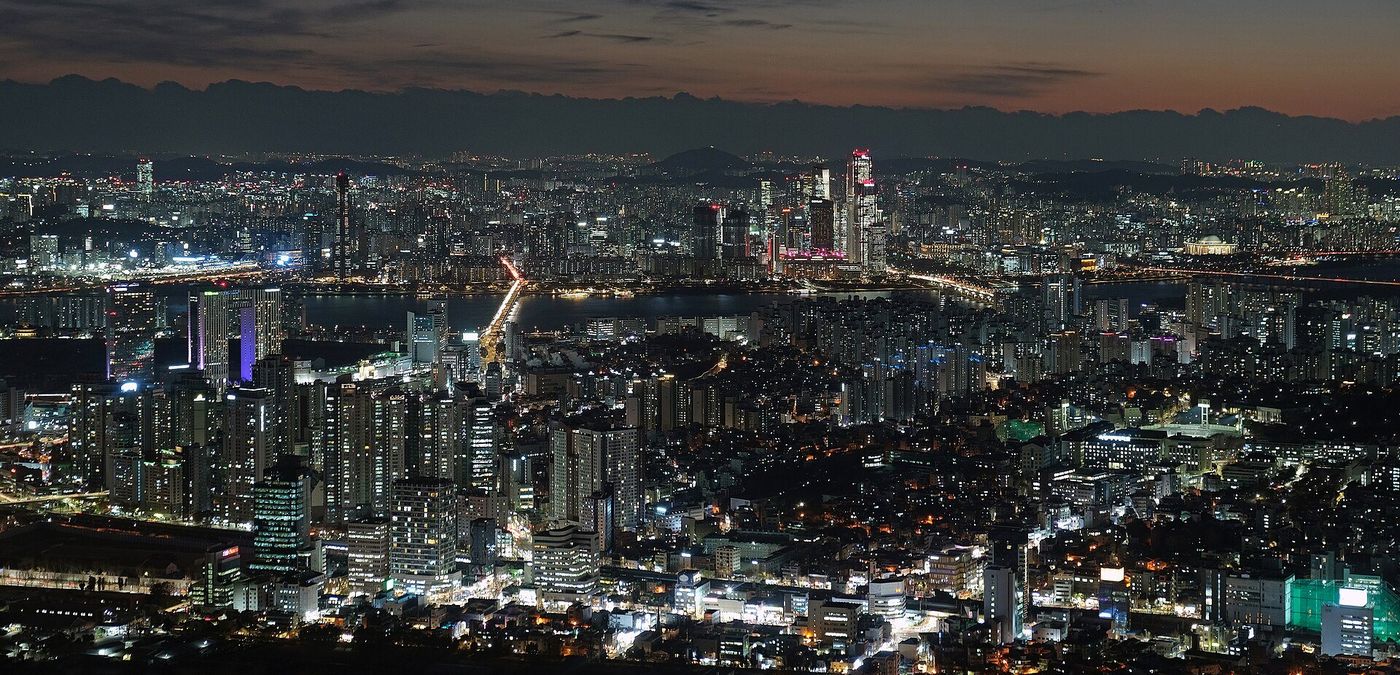
Half the country lives in and around the capital, and it shows in the best possible way: palaces at ten, markets at noon, a granite mountain inside the city limits, neon past midnight. Five royal palaces sit within a few subway stops of each other; the hanok lanes of Bukchon run between two of them; the Han River splits the city into a north half that is old and a south half that is not.
- From Seoul: you’re here. The airport railway from the guidebook chapter “The First Three Hours” drops you in the middle of it.
- Give it: four days at the very least, and it will still not be finished with you.
Seoul: the palaces, and the one free thing worth timing
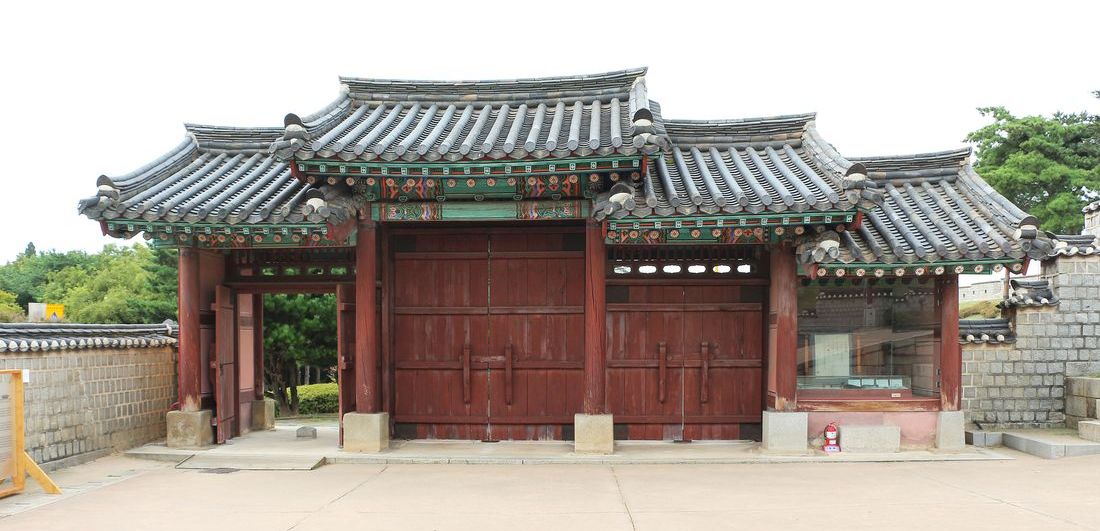
The palaces are the one thing in Seoul that rewards planning. They are close together, they close on different weekdays, and one of them stages a guard-changing ceremony out front at set times, in the open, for nothing. Anyone in hanbok walks into the palace grounds free, which is why the rental shops cluster at the gates.
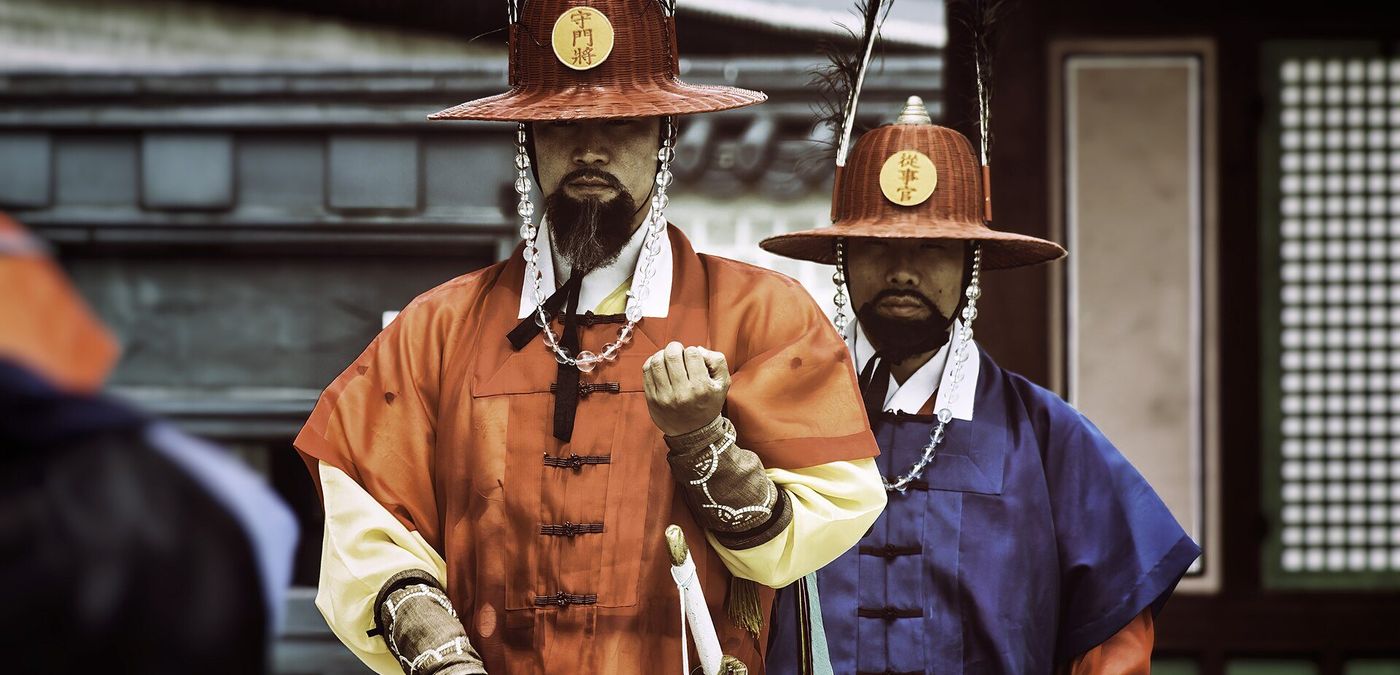
- Each palace has its own closing day, and they are not the same day. Check the one you want before you walk over — this is the single most common wasted morning in Seoul.
- Bukchon is a neighborhood where people live, not an exhibit. Signs ask for quiet in the lanes and they mean it — the guidebook chapter “Walking, Standing, Waiting” covers the same idea in general.
Seoul: the river, after dark
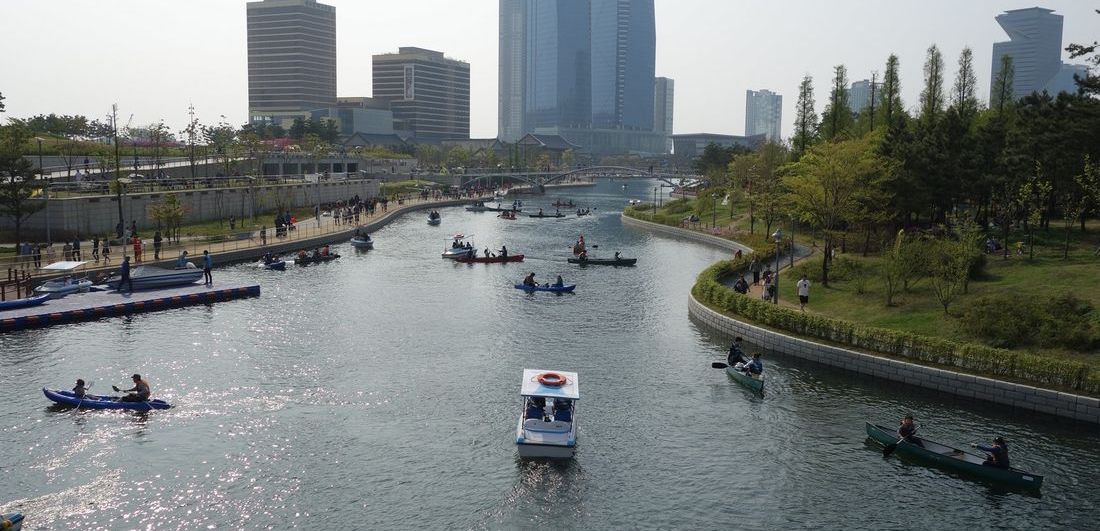
The Han is wide enough to be a landscape rather than a feature, and the parks along both banks are where the city goes to sit down. People bring mats, order chicken to the park, and stay until it gets cold. One of the bridges runs a lit fountain along its length on a schedule in the warm months.
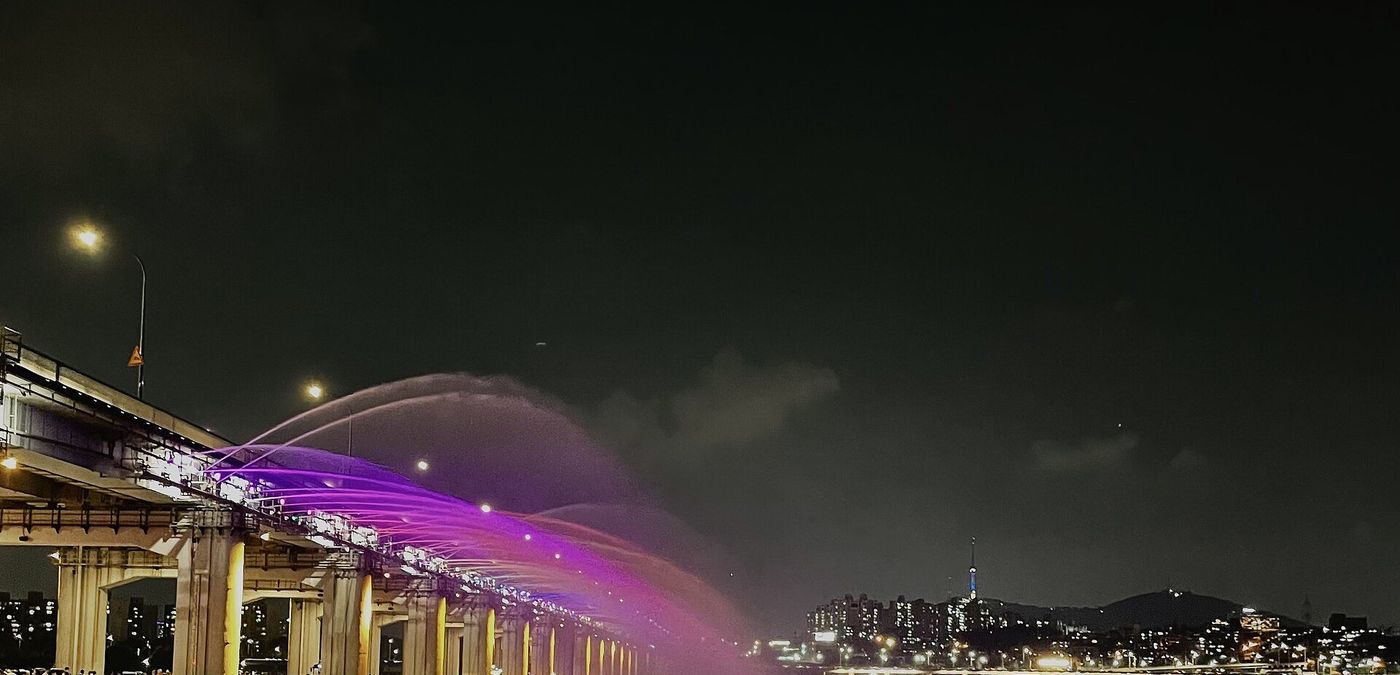
- Delivery to a river park is normal and the riders find you. The chicken chapter is the guidebook chapter “What Am I Looking At”; ordering by phone without Korean is the hard part, so go with someone or use an app.
- Give it: an evening. It is the cheapest good night out in the city.
Where it fits in a trip
Seoul is the base most routes are built from. On a week or less it is usually the whole trip, with one day out to Suwon’s fortress or the border. On eight to fourteen days it becomes the northern half, with one southern anchor — Busan or Jeonju — and a single high-speed leg each way. Only past two weeks does it make sense to treat Seoul as one stop among three.
The names, in Korean
Signs, tickets and map apps use the Korean. Showing the written form is usually faster than saying it.
- Seoul서울
- palaces, the five궁궐, 다섯
- Gyeongbokgung경복궁
- hanbok한복
- Han River parks한강공원
- convenience stores편의점
Questions people actually ask
- How many days do you need in Seoul?
- Four at the very least, and the city will still not be finished with you. Three works only if you accept that you are seeing the palaces and one neighborhood and nothing else. Under three it is a stopover rather than a visit.
- Which palace should I go to, and does the timing matter?
- Gyeongbokgung if you only see one — the guard-changing ceremony happens in the open square outside the gate at set times, and watching it costs nothing. Timing matters for a duller reason too: each palace closes on its own weekday, and they are not the same weekday.
- Is Seoul enough on its own for a first trip to Korea?
- For a week, yes. The city carries four full days without repeating itself, and the ring of Gyeonggi around it holds the day trips. Adding a second region to a seven-day trip usually buys you a night and a half somewhere else at the cost of a day in transit.