
Chuncheon Travel Guide: Day Trip or Overnight from Seoul
Plan a Chuncheon trip from Seoul: ITX or Gyeongchun Line, the Soyang Skywalk, the lake cable car, the boat to Cheongpyeongsa, and dakgalbi.
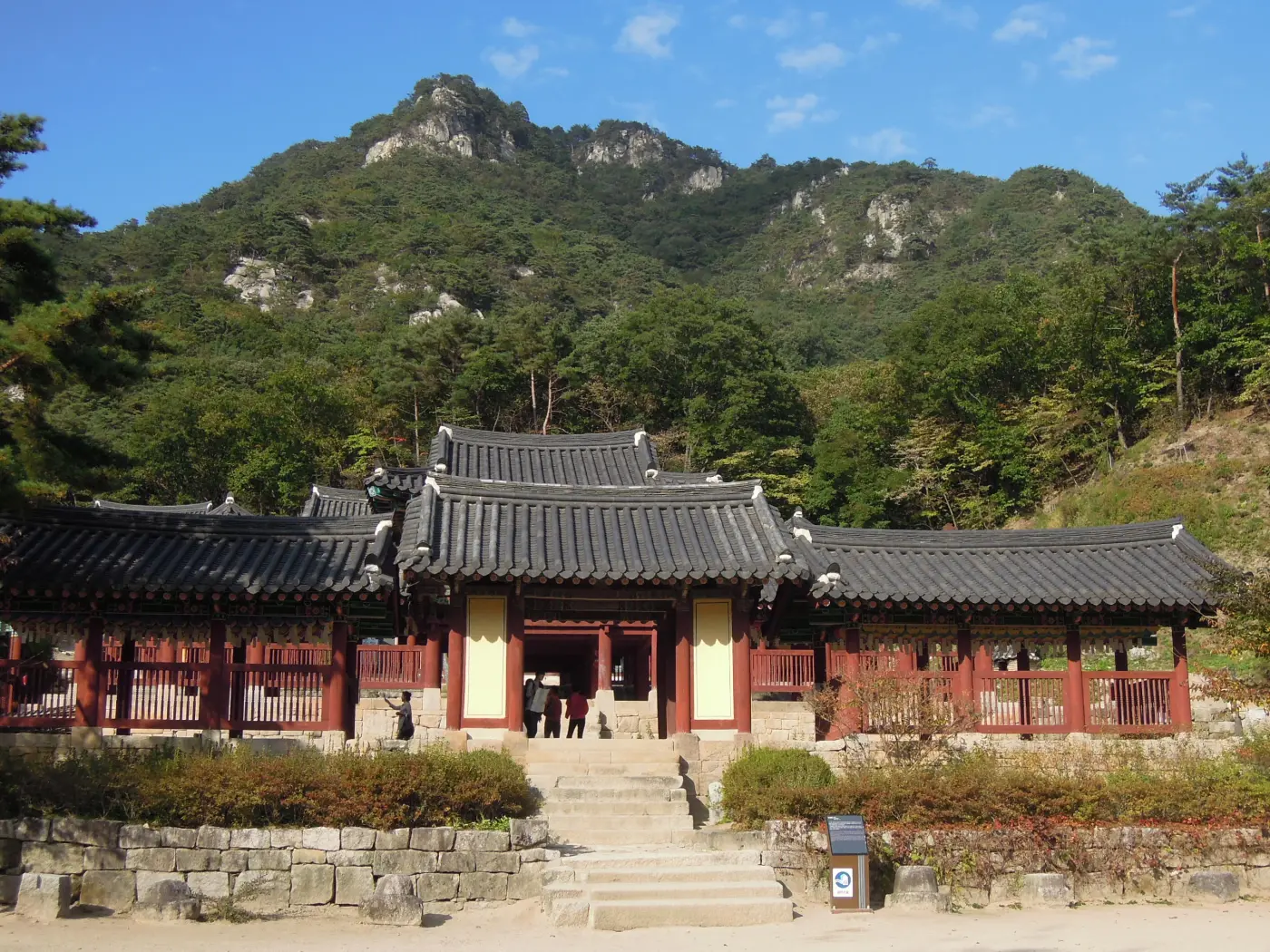
Chuncheon is the lake city an hour or so north-east of Seoul. The capital of Gangwon Province sits where the Soyang River meets the Bukhangang, and two dams have turned that meeting point into a chain of wide, mountain-ringed lakes: Uiam Lake right beside downtown and Soyang Lake further north. For a visitor that means a city where most of the sights involve water: a glass walkway over the river, a cable car across a lake, a dam you can stand on, and a temple you reach by boat.
It is also one of the easiest trips out of Seoul. Two rail services run straight from the capital's network to Chuncheon, so there is no bus terminal to find and no transfer to a long-distance train. This guide covers how to get there, how to move around once you arrive, what each of the main sights actually is, and two ready-made plans: a day trip and a one-night stay. Opening hours come from the City of Chuncheon's tourism portal and the operators' own pages, listed at the end. Fares and admission charges change often, so they are left out here; check them when you book.
Chuncheon at a glance
Think of the city in three parts. Downtown and the lakeshore around it hold the Myeongdong area and its dakgalbi alley, the Gongjicheon riverside, the Soyang River Skywalk and the lower station of the Samaksan Lake Cable Car. North of the centre, up a winding road, is Soyang Dam and the pier for the boat to Cheongpyeongsa temple. South of the centre, on the rail line towards Seoul, is Gimyujeong Station, the old station of the same name, and the Kim Yu-jeong Literary Village.
That layout shapes your planning. The downtown sights can be linked by short taxi rides in a single afternoon. Soyang Dam and Cheongpyeongsa together take half a day on their own. The Kim Yu-jeong area is easiest to visit on the way in or out, because it has its own station on the line. Nami Island, which many visitors associate with this area, is covered further down.
Getting there from Seoul: ITX-Cheongchun or the Gyeongchun Line
The faster option is the ITX-Cheongchun, a reserved-seat express train that runs between Yongsan Station in central Seoul and Chuncheon, calling at Cheongnyangni on the way. The City of Chuncheon's transport page gives journey times of about 65 minutes between Chuncheon and Cheongnyangni and about 85 minutes between Chuncheon and Yongsan. Trains run roughly every 30 minutes at commuter times and every hour at other times, so book a seat in advance through Korail, especially for weekend mornings and Sunday evenings.
The cheaper, slower option is the Gyeongchun Line, a commuter line that is part of the Seoul metropolitan subway network. You tap in with the same transport card you use in Seoul, and there is no seat reservation. According to the same city page, the trip between Chuncheon and Sangbong Station in eastern Seoul takes about 82 minutes, with trains on average about every 20 minutes on weekdays and every 25 minutes at weekends. Some trains run on to Cheongnyangni, while others turn back at Pyeongnae-Hopyeong without reaching Seoul, so check the destination board.
Both services stop at Namchuncheon before reaching Chuncheon, the end of the line. For the Kim Yu-jeong Literary Village you need Gimyujeong Station, one stop before Namchuncheon. The Gyeongchun Line stops there; if you come on the ITX, the directions published by the rail park next to the station tell you to ride to Namchuncheon and change to a Gyeongchun Line train for the short hop back.
Getting around the city
Chuncheon's sights are spread out, and the city has no metro of its own, so you will be combining taxis, city buses and some walking. City buses accept the main prepaid transport cards, including T-money, as well as Korean credit cards, and the city's transport page notes that a transfer to another city or village bus is free within 60 minutes of tapping off the first bus. Bus numbers to places such as Soyang Dam do get changed, so look up the route in a map app on the day rather than relying on an old blog post. For a short trip between downtown sights, a taxi is usually simplest. Our getting-around guide explains how transport cards work across Korea.
Soyang River Skywalk
The Soyang River Skywalk is a walkway that reaches out over the water from the riverbank. It is 174 metres long, and 156 metres of that is reinforced glass, so for most of the walk you are looking straight down at the river. At the end is a round viewing platform, also glass-floored, with views across to the Soyang 2 Bridge. It stands next to the Statue of the Soyang River Maiden, a local landmark, and after sunset the structure is lit in changing colours.
Practical points from the city's page: high heels are not allowed, and you must wear the shoe covers handed out at the entrance to protect the glass. The skywalk closes on Tuesdays. Opening hours are 10:00 to 20:30 in summer and 10:00 to 17:30 in winter, with last entry 30 minutes before closing, and it may shut in rain, snow or strong wind. Half an hour is enough unless you stay for the evening lights.
Samaksan Lake Cable Car over Uiam Lake
The Samaksan Lake Cable Car runs 3.61 kilometres from Samcheon-dong, on the edge of downtown, across Uiam Lake to Samaksan, a rocky mountain on the far shore. Some cabins have glass floors, which the operator calls crystal cabins; the others are standard cabins. At the top there is an observation building with a glass-walled café, and a trail of about ten minutes leads from there to a separate skywalk-style viewpoint over the lake.
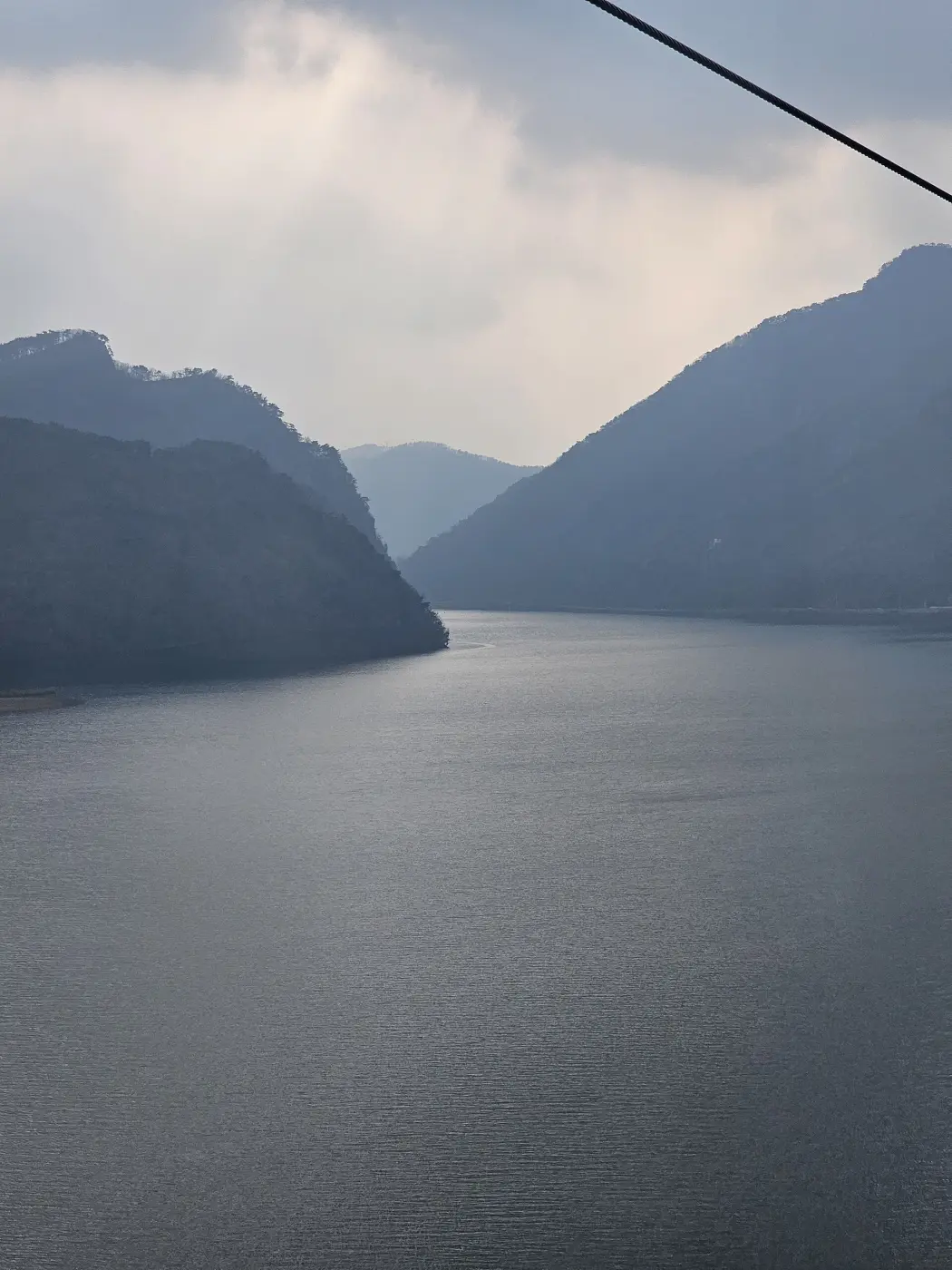
According to the city's listing, the cable car runs from 09:00 to 18:00 in winter and 09:00 to 20:00 in summer, and it stops on its monthly safety-inspection day, so check the operator's calendar before planning a trip around it. Allow one and a half to two hours including the walk at the top. If you only have time for one view of the lakes, this is the one that shows you how the city sits in its ring of mountains.
Soyang Dam and the boat to Cheongpyeongsa
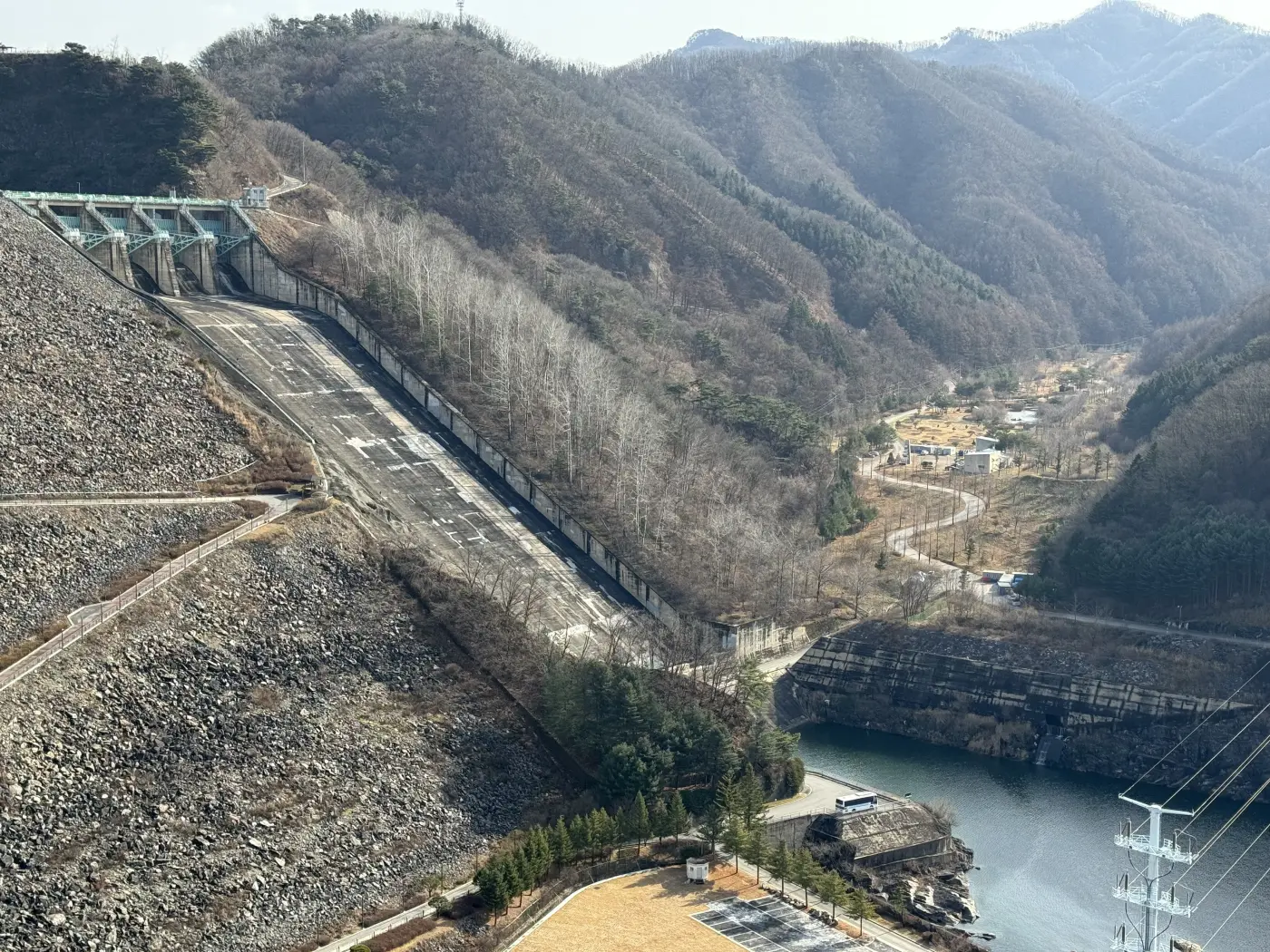
North of the city, Soyang Dam holds back Soyang Lake. VisitKorea describes it as Korea's largest dam: completed in October 1973, 123 metres high and 530 metres long, with the country's largest man-made lake behind it. The dam looks over the lake on one side and the river valley on the other, and VisitKorea mentions a 2.5-kilometre walking trail as well as the ferry. Near the dam, K-water runs a small Water Culture Center about the dam's construction, including a room on the villages that were flooded when the lake filled. It is free, open Tuesday to Sunday from 10:00 to 17:00, and closed on Mondays and public holidays; K-water notes that the second-floor galleries are currently not operating.
The other reason to come this far is the boat. From a pier near the dam, a ferry crosses Soyang Lake to Cheongpyeongsa, a Buddhist temple on the slopes of Obongsan. The city's page puts the crossing at about 15 minutes, and VisitKorea's ferry listing confirms a route to Obongsan and Cheongpyeongsa from the same lake. The temple's history goes back to 973, in the Goryeo period, and it was rebuilt and renamed several times; the Goryeo scholar Yi Ja-hyeon later restored it. From the temple-side pier, the last stretch to the temple is on foot.
Boat departures can vary with the season and the weather, so ask about the last boat back as soon as you arrive at the pier. VisitKorea lists +82-33-242-2455 for ferry enquiries. With the boat, the walk and time at the temple, allow three to four hours for this part of the day.
Gongjicheon riverside
Gongjicheon is a stream that flows into Uiam Lake beside downtown, and its banks are the city's everyday riverside park. The city tourism portal lists a sculpture park here, a lawn with outdoor sculptures that is open at all hours. It is not a destination in itself so much as a pleasant place to walk off a meal or to watch the light change over the lake in the evening. If you are staying overnight, it is the obvious place for a stroll before dinner.
Kim Yu-jeong Literary Village and the old station
Kim Yu-jeong is one of the essential names in modern Korean short fiction, the author of country stories such as "Spring, Spring", "Camellias" and "The Gold-Digging Bean Field". His home village of Sille, in the south of Chuncheon, is now the Kim Yu-jeong Literary Village, with his restored birthplace and an exhibition hall on his life and work. It is open from 09:30 to 18:00, closing at 17:00 in winter, and closed on Mondays, 1 January, and the days of Seollal and Chuseok.
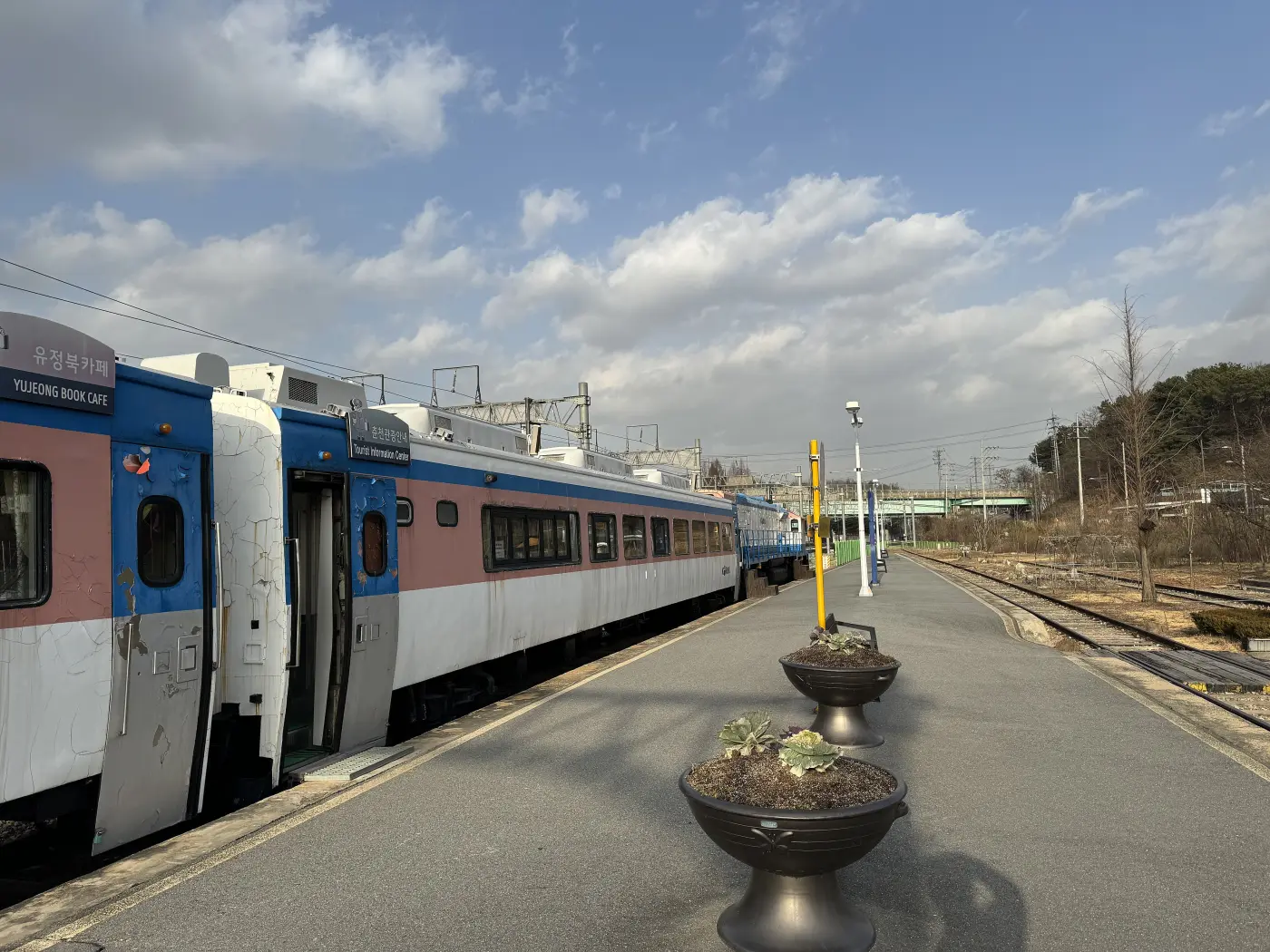
Right next to it is the old Gimyujeong Station. It opened in 1939 as Sinnam Station on the Gyeongchun Line and was renamed after the writer in December 2004, which the city notes was the first time a Korean station was named after a person. When the double-tracked line opened in 2010, a new station building took over, and the old one was kept as a small heritage site with no trains. Old carriages on the platform serve as a book café and tourist information point. The outdoor platform is open all the time; the indoor rooms close on Mondays. The city's page says the old station is a three-to-five-minute walk from the current Gimyujeong Station, and the literary village a few minutes further.
Dakgalbi and makguksu
Chuncheon is closely tied to two dishes. Dakgalbi is chicken marinated in a seasoned red chilli paste and stir-fried on a large, hot iron pan with shredded cabbage and other vegetables, often cooked at your table. Makguksu is a dish of buckwheat noodles, served cold, either in a chilled broth or with a spicy dressing. Restaurants serving both are found all over the city.
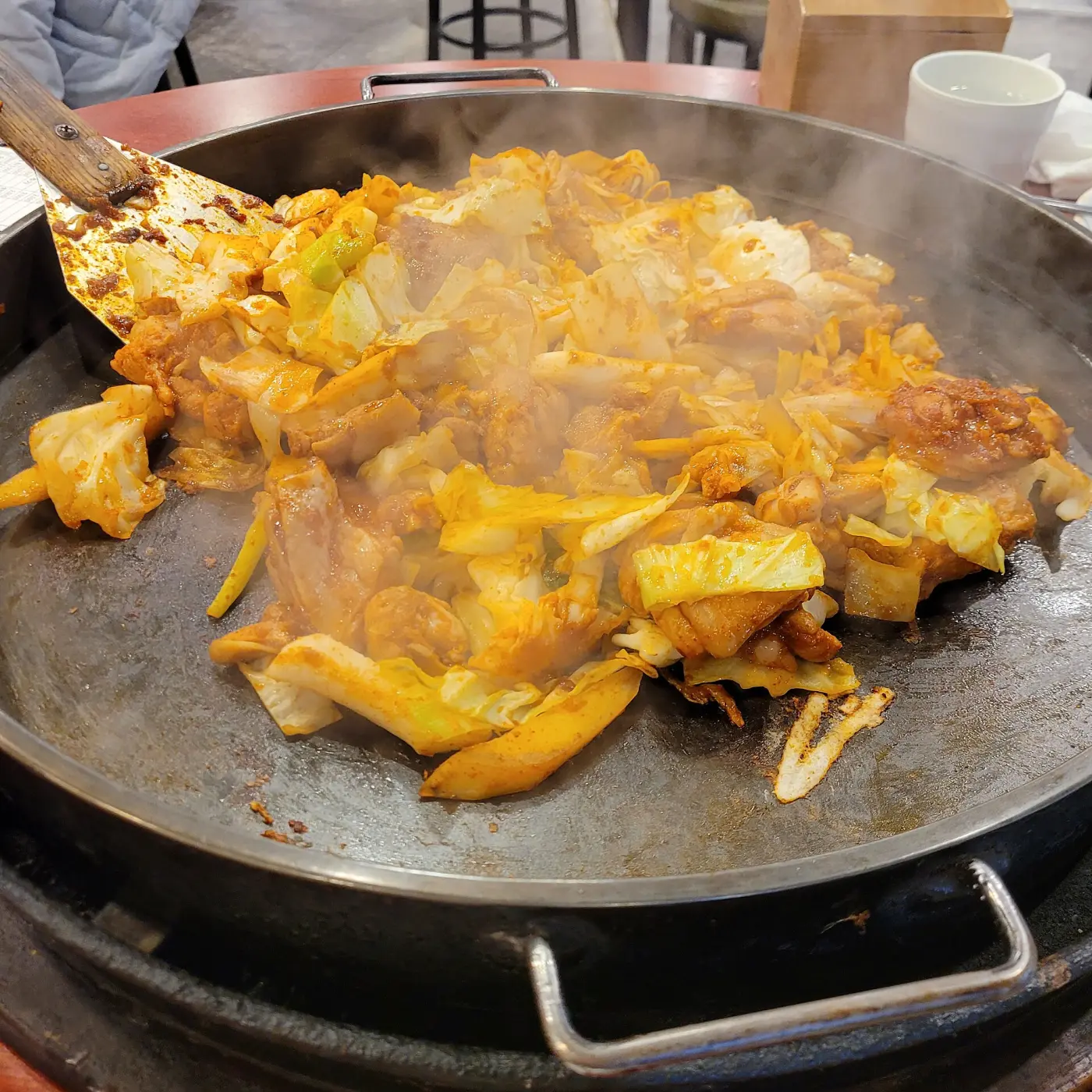
The best-known cluster is the Myeongdong Dakgalbi Street, an alley in the Myeongdong area, Chuncheon's main downtown street, lined with restaurants serving dakgalbi and makguksu. It is open-air and free to wander, and it is an easy dinner stop before the train back. For a hands-on take, the city's tourism portal also lists a Makguksu Experience Museum in Sinbuk-eup, on the way to Soyang Dam, where you can knead buckwheat dough and press your own noodles; it closes on Mondays.
Nami Island: technically Chuncheon
Nami Island is part of Chuncheon on the map, but the ferry and zip-wire to the island both leave from a dock in Gapyeong, in Gyeonggi Province, and the nearest station is Gapyeong on the same rail line. In practice it is a separate day out from the city centre. Our day trips from Seoul guide covers how to get there and when to go.
Where everything is, and how long to allow
| Place | What it is | How to get there | Time to allow |
|---|---|---|---|
| Soyang River Skywalk | 174 m walkway over the river, 156 m of it glass | Taxi or city bus from Chuncheon Station or downtown | 30–45 minutes |
| Samaksan Lake Cable Car | 3.61 km cable car across Uiam Lake to Samaksan, with a viewpoint at the top | Taxi or city bus to the lower station in Samcheon-dong | 1.5–2 hours |
| Soyang Dam | 123 m dam with a free Water Culture Center | City bus or taxi north of the city; check the current route | About 1 hour |
| Cheongpyeongsa | Temple founded in 973 on Obongsan, reached by boat | Ferry from the pier near Soyang Dam (about 15 minutes), then a walk | 3–4 hours with the boat |
| Gongjicheon riverside | Riverside park and sculpture lawn by Uiam Lake | Short taxi ride or walk from downtown | 30–60 minutes |
| Kim Yu-jeong Literary Village and old station | Writer's restored birthplace; a 1939 station kept as a heritage site | Gyeongchun Line to Gimyujeong Station, then a short walk | 1.5–2 hours |
| Myeongdong Dakgalbi Street | Alley of dakgalbi and makguksu restaurants | In the downtown Myeongdong area; taxi from either station | 1 hour for a meal |
| Makguksu Experience Museum | Exhibits on buckwheat noodles, noodle-pressing | Taxi; easy to pair with Soyang Dam | About 1 hour |
A day trip from Seoul
This plan avoids Mondays and Tuesdays, when the literary village and the skywalk close. Take an early ITX-Cheongchun from Yongsan or Cheongnyangni to Namchuncheon, or a Gyeongchun Line train straight to Gimyujeong. Spend the first part of the morning at the old Gimyujeong Station and the Kim Yu-jeong Literary Village, then take the Gyeongchun Line on to Namchuncheon.
- Morning: old Gimyujeong Station and the Kim Yu-jeong Literary Village (1.5–2 hours).
- Late morning: train to Namchuncheon, then a taxi to the Samaksan Lake Cable Car (1.5–2 hours with the walk at the top).
- Lunch: makguksu near the cable car or downtown.
- Afternoon: the Soyang River Skywalk, then a walk along the Gongjicheon riverside if time allows.
- Evening: dakgalbi in Myeongdong, then a taxi to Chuncheon or Namchuncheon for the train back. Book your return seat in advance; the city's timetable shows the last ITX from Chuncheon leaving at around 10 pm, but check the current schedule.
Leave Soyang Dam and Cheongpyeongsa for another day. Trying to fit the boat into a day trip usually means rushing the temple and watching the clock at the pier.
One night in Chuncheon
An overnight stay lets you add the lake and the temple without hurrying. Spend day one as above, ending with an evening walk at the Skywalk to see it lit up and dinner in Myeongdong. On day two, head north early.
- Day 2, morning: taxi or bus to Soyang Dam, take in the view over the lake, and catch the boat to Cheongpyeongsa. Confirm the time of the last boat back when you buy your ticket.
- Day 2, early afternoon: back at the dam, visit the Water Culture Center (closed Mondays), then stop at the Makguksu Experience Museum on the way into town for lunch-time noodle-making.
- Day 2, late afternoon: a slow walk along the Gongjicheon riverside, then the train back to Seoul.
If you would rather see the coast as well, Chuncheon fits naturally into a longer loop through Gangwon: the beaches and coffee street of Gangneung, or Sokcho and Seoraksan National Park further north. Our guides to both, and the Gangwon region page, are linked below.
Before you go
- Check the weekday. The Skywalk closes on Tuesdays; the literary village, the old station's indoor rooms, the Makguksu Experience Museum and the dam's Water Culture Center close on Mondays.
- Book the ITX for weekends. The Gyeongchun Line needs no reservation but is slower and can be standing-room only.
- Save names in Korean for taxis: Chuncheon Station (춘천역), Namchuncheon (남춘천역), Gimyujeong (김유정역), Soyang Dam (소양강댐), Cheongpyeongsa (청평사), Myeongdong Dakgalbi Street (명동 닭갈비골목).
- Watch the weather. The Skywalk can close in rain, snow and strong wind, and the cable car stops for its monthly safety inspection.
- Avoid Seollal and Chuseok if you can. Trains out of Seoul fill up and the literary village closes on the holidays themselves; our holidays guide lists the dates.
Comments
Sign in to leave a comment.
Sign in ·No account? Create one
Confirm your email address to comment — it takes one click.
No comments yet.