
Is Korea Safe for First-Time Travellers? An Honest Guide
Nervous about your first trip to Korea? Night streets, solo travel, taxis, weather and the numbers to save, explained honestly by people who live here.
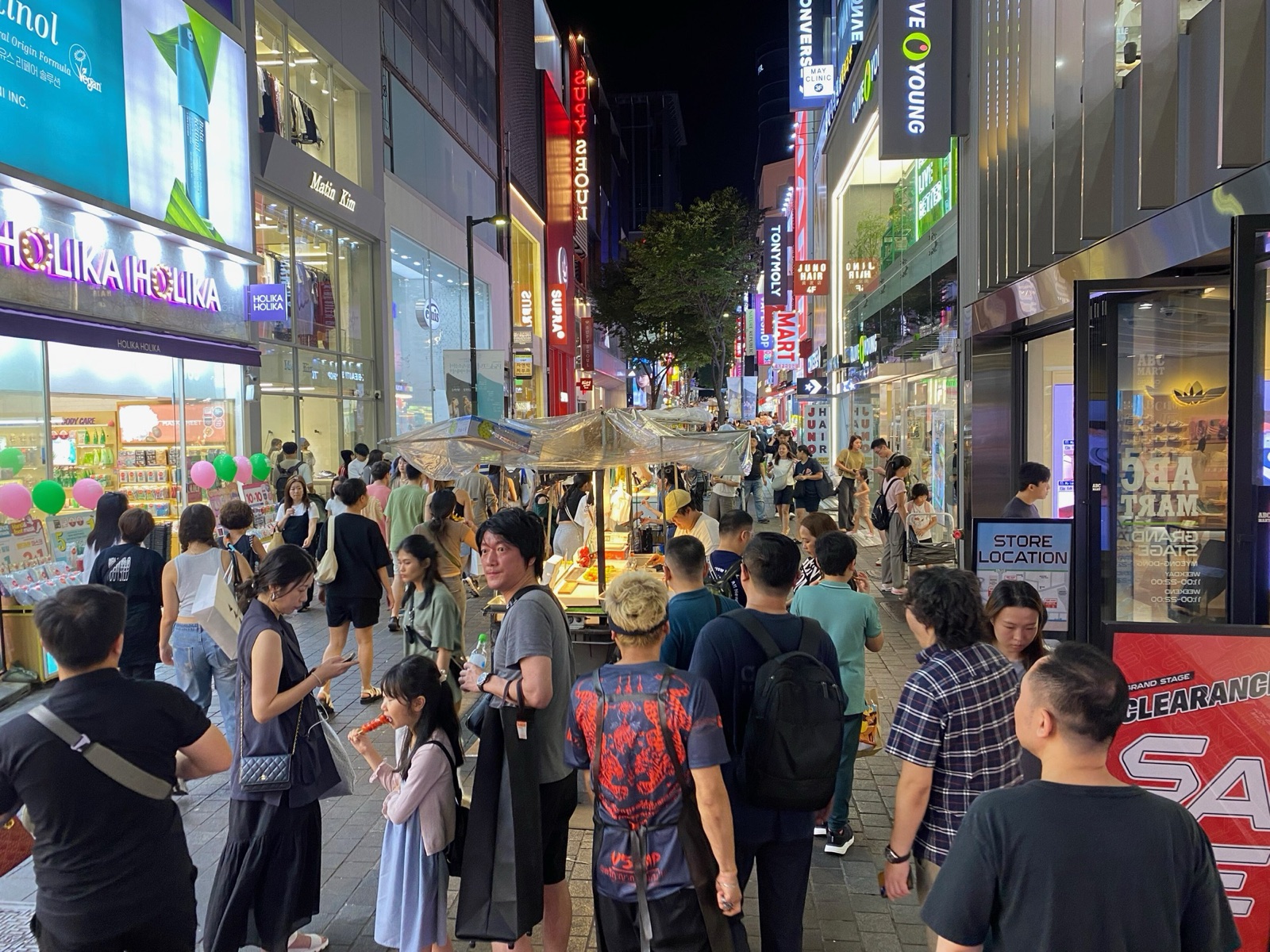
If this is your first trip to Korea, there is a good chance someone has already asked you whether it is safe. Maybe you have asked yourself, late at night, while looking at a map of Seoul and wondering what the streets are like after dark, whether a woman travelling alone will be fine, what happens if you lose your passport, or what you would even dial if something went wrong.
Here is the honest answer from people who live here: for most visitors, Korea feels like an easy and comfortable place to travel, including at night and including alone. That does not mean nothing ever goes wrong. No country is risk-free, and the small number of problems visitors run into here are mostly ordinary ones: an overcharged taxi fare, a bag left on the subway, a summer downpour that ruins a day's plans. This guide goes through the worries people actually have, tells you what is worth preparing for, and gives you the numbers and tools that the Korean government itself points travellers to.
The short answer
Most of what keeps you safe in Korea is the same common sense you would use at home, plus three phone numbers. Save 112 for the police, 119 for fire and ambulance, and 1330 for the Korea Travel Helpline, which answers in English and Japanese around the clock. Add a translation app, keep an eye on the weather in summer, and you have covered the large majority of what can go wrong on a short trip.
| Number | What it is for | Language help we could confirm |
|---|---|---|
| 112 | Police: crime, theft, assault, any situation where you feel unsafe | English and Chinese interpreters join the call 24 hours a day as a three-way conversation |
| 119 | Fire, rescue and ambulance | Say "English please" or "Interpreter please" and the operator connects an interpreter |
| 1330 | Korea Travel Helpline: travel questions, interpretation, complaints | Korean, English, Japanese and Chinese, 24 hours; +82-2-1330 from overseas; also by chat |
One small trap for visitors from Japan and a few other countries: 110 is not the police in Korea. According to the Ministry of the Interior and Safety, 110 is the government's non-emergency line for civil complaints and general enquiries. For the police, it is 112.
Walking around at night
One of the first things visitors notice is how late Korean cities stay awake. In central Seoul, Busan and other big cities, restaurants, cafes, convenience stores and shopping streets are busy well into the night, many convenience stores never close, and you will see people of every age out walking, eating and taking the subway home. Busy, well-lit streets with plenty of people around are, in practice, a big part of why many travellers feel relaxed here after dark.
The usual city habits still apply. Stick to main streets rather than empty alleys when you are unsure of the way, know how you are getting back to your accommodation before the last subway, and keep your phone charged, because it is your map, your translator and your way to call for help. If something feels wrong, walk into a convenience store, a hotel lobby or any busy shop. Staff are used to tourists asking for directions, and they can call someone for you.
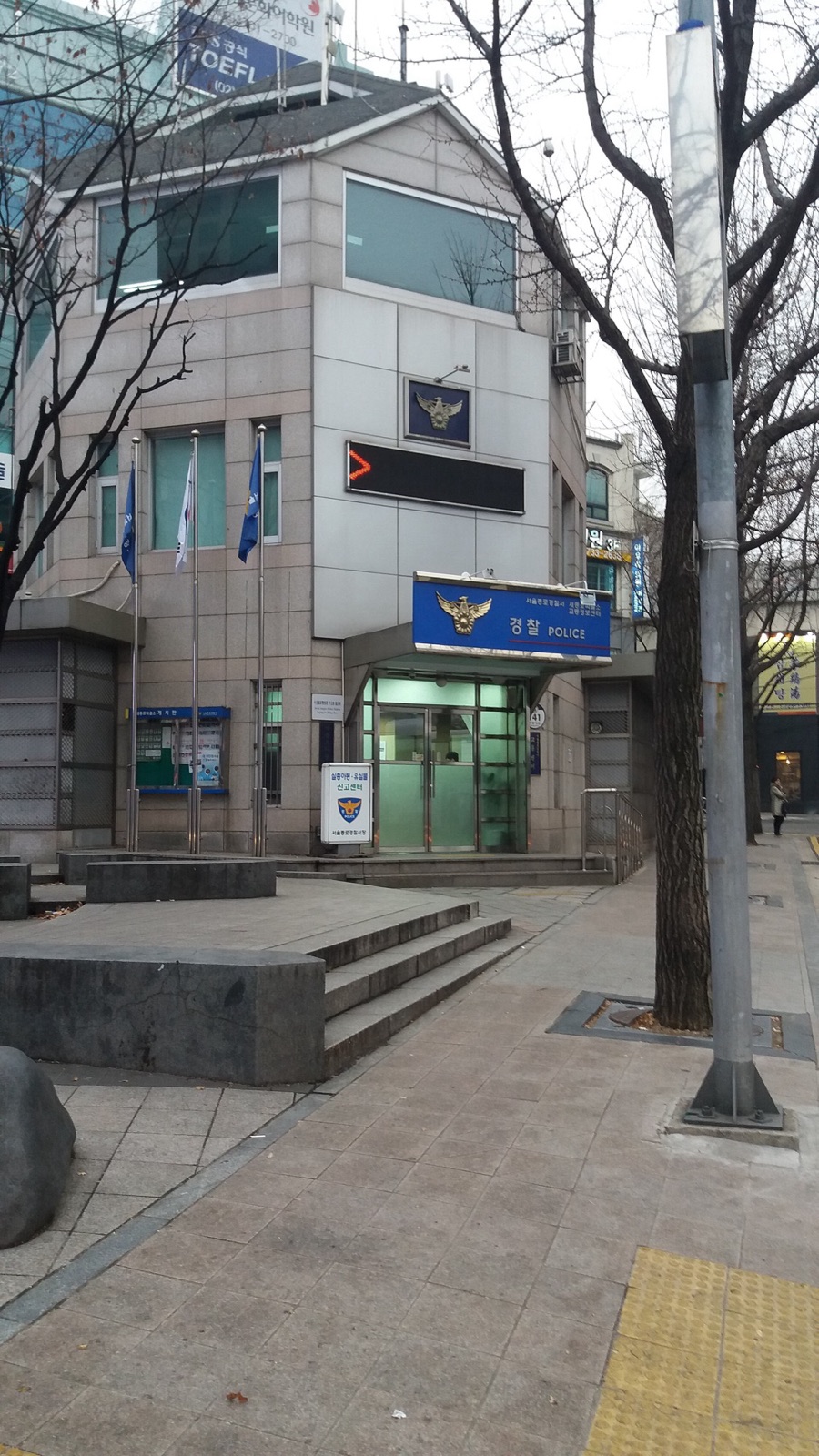
You will also notice small police boxes, called pachulso or chian center, scattered through city neighbourhoods. They are marked with a blue sign reading 경찰 POLICE, and they are a perfectly normal place to walk in and ask for help, whether you have been robbed or simply found someone's wallet.
Travelling solo, and travelling as a woman
Plenty of people travel around Korea alone, and solo dining, solo cafe-hopping and solo trips are common among Koreans too, so you will not stand out for being on your own. Women travelling alone generally describe the same experience as everyone else: busy streets, efficient transport and very little unwanted attention compared with many other destinations. That is a reason to feel reassured, not a reason to drop the precautions you would take anywhere.
- Share your itinerary and accommodation address with someone at home.
- Use registered taxis or a ride app rather than accepting a lift from a stranger, especially late at night.
- Keep your accommodation's address saved in Korean so you can show it to a driver or a police officer.
- In bars and clubs, watch your drink and leave with the people you came with.
- If someone is bothering you, go into a shop or ask staff for help. Call 112 if you feel threatened.
Pickpockets, scams and taxis
Many visitors are surprised to see people leave a phone or laptop on a cafe table while they queue for coffee. You do not need to copy that. Crowded places such as packed subway carriages, festival crowds and the busiest shopping streets are still where you should keep your bag closed and in front of you. But the constant low-level alertness you might need in some big cities is not usually part of the Korean travel experience.
The issue visitors raise most often is taxis. Most rides are uneventful, but overcharging foreign passengers does happen, and the Seoul Metropolitan Government says so openly. Its own figures show that between June and December 2025, foreign passengers filed 487 complaints through the city's taxi QR complaint system, most often about unfair fares. The city has responded: since December 2025, Seoul taxi receipts show the final fare and boarding and drop-off times in English as well as Korean, and they state whether a late-night or out-of-city surcharge was applied. The receipts also explain how to report a problem through the city's 120 call centre.
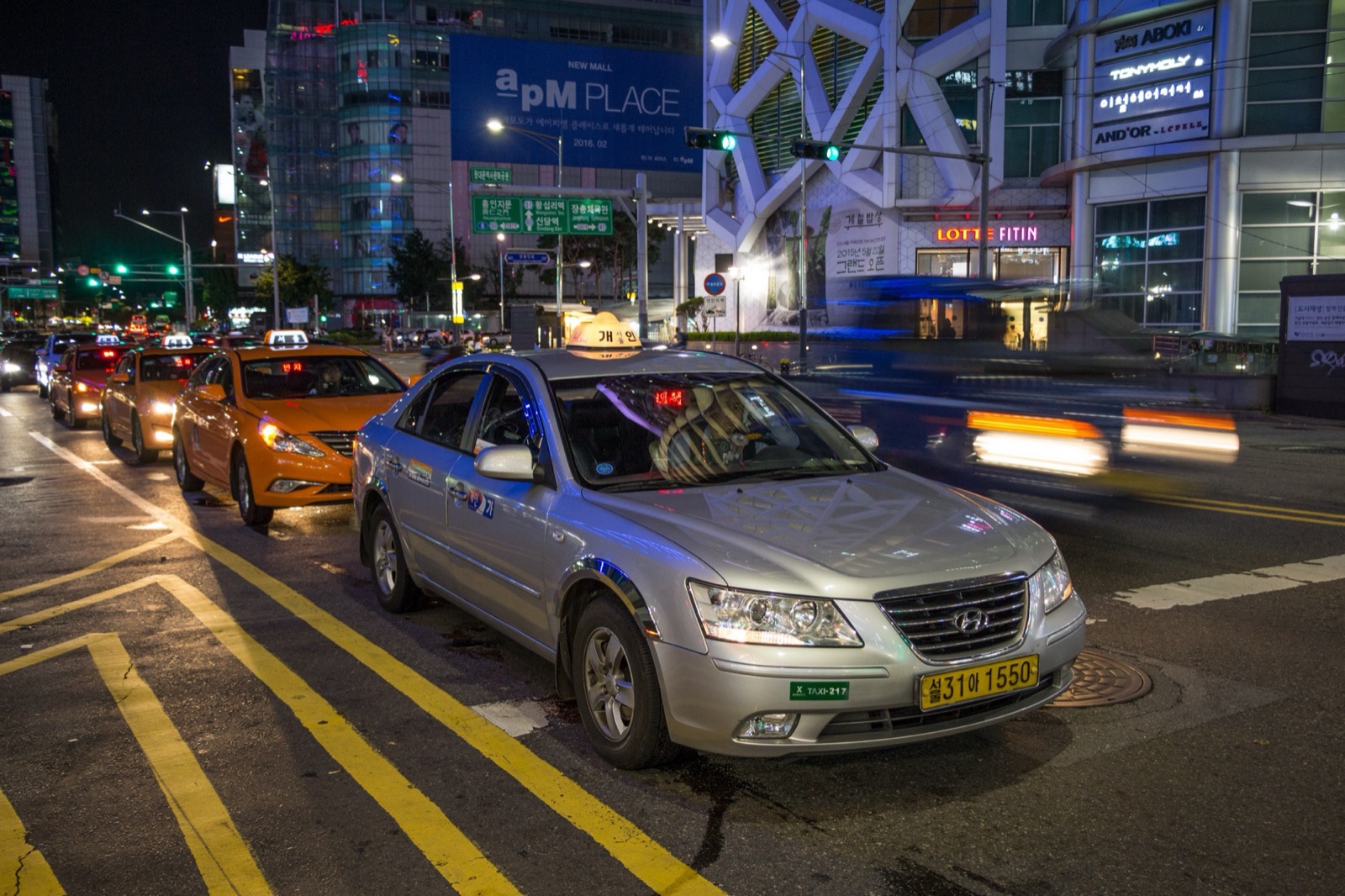
- Make sure the meter is running when the ride starts.
- Ask for a receipt at the end. In Seoul it now shows the fare and any surcharge in English.
- Note or photograph the taxi's licence plate before you get in.
- If something seems wrong, Seoul's multilingual QR complaint system covers overcharging, not using the meter and refusing passengers. QR stickers are placed inside taxis and at major tourist sites.
- Ride apps for visitors, such as k.ride, show an estimated route and fare before you book.
Getting help in English, or in your own language
Language is the thing first-time visitors worry about most in an emergency, and it is better covered than many expect. VisitKorea's safety advice is simple: if you call 112 or 119 and do not speak Korean, say "English please" or "Interpreter please" when the call connects, and the operator will connect you to a professional interpreter. For the police line, the Korean National Police Agency runs a dedicated English and Chinese interpretation service; according to a government report from May 2024, it now operates 24 hours a day, 365 days a year, with the interpreter joining as a three-way call.
Before the call, work out where you are. VisitKorea advises using the names of nearby buildings or your phone's GPS. A subway exit number, a bus stop name or the sign of the shop you are standing in front of will get help to you faster than a description of the street.
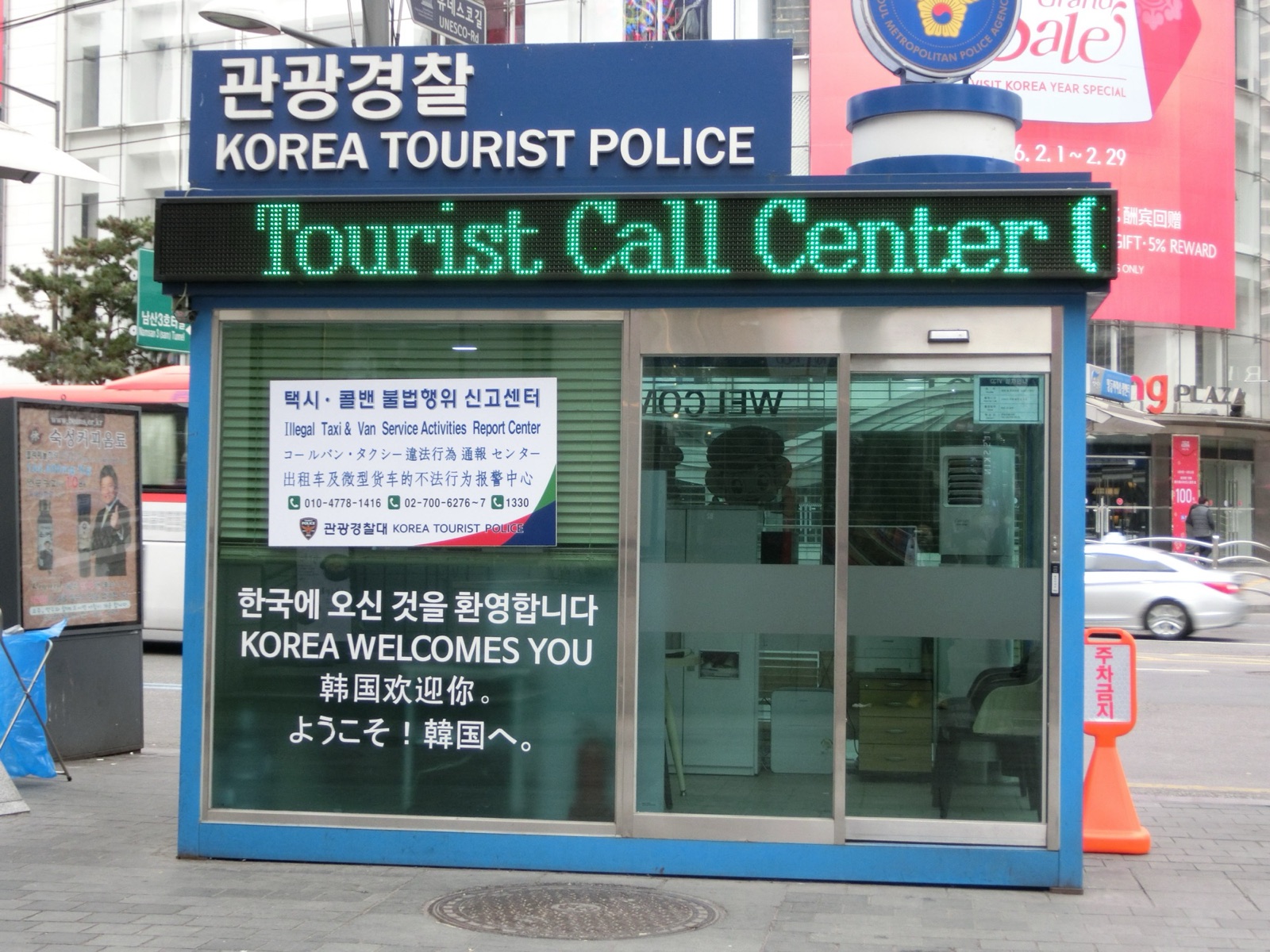
For everything that is not an emergency, 1330 is the number most travellers end up using. The Korea Travel Helpline is run by the Korea Tourism Organization and offers tourist information, interpretation and a complaint service. The KTO says it answers in Korean, English, Japanese and Chinese, 24 hours a day, all year, and that the service is free. Dial 1330 inside Korea or +82-2-1330 from overseas. If you prefer typing, the same team answers by chat through its web messenger, KakaoTalk, Facebook, LINE and WhatsApp, and the VisitKorea app offers a free online voice call over Wi-Fi.
Two government apps are also worth installing. VisitKorea recommends the Baro emergency reporting app from the Ministry of the Interior and Safety, which lets you report by text and image and supports languages including English, Chinese, Japanese, Vietnamese and Filipino. The Emergency Ready app gives step-by-step guidance for natural disasters and accidents in 14 languages and connects you to 119, although VisitKorea notes that it currently works in offline mode and does not show the locations of hospitals or fire stations.
Weather, typhoons and earthquakes
If there is one natural hazard to plan around, it is summer rain. The Korea Meteorological Administration explains that changma, the monsoon rainy season, starts in the south of the country in late June and moves north, lasting about 30 days on average and bringing frequent heavy rain and flash floods. The KMA adds that more than half of the year's precipitation falls during this season. Typhoons come on top of that: of the roughly 28 that form in the Northwest Pacific each year, the KMA says two or three affect the Korean Peninsula, between June and October.
None of this is a reason to avoid summer, but it is a reason to build some flexibility into your plans. Keep a few indoor options for heavy rain days, avoid riverside paths, valleys and mountain trails during and after heavy rain, and follow local instructions if a typhoon is forecast. In 2024 the government also announced that emergency text alerts for earthquakes, heavy rain and terror threats would carry English alongside the Korean message, so a loud alert on your phone is worth reading rather than dismissing.
Earthquakes do happen, but they are not a major part of daily life. The KMA records that earthquakes of magnitude 3.0 or above, the size ordinary people can generally feel, have occurred about 10 times a year in and around the Korean Peninsula since full-scale observation began in 1978. Most visitors never notice one.
Fine dust
On some days the skyline looks hazy, and Koreans will check the air quality before deciding to spend the day outdoors. The national index from AirKorea sorts the air into four grades, good, moderate, bad and very bad, and that grade appears on weather apps and street screens. If you have asthma or another respiratory condition, it is worth checking each morning. Our fine dust guide explains the four grades and the Korean words you will see.
If you lose something
Losing things is the most common travel mishap, and Korea is a good place to have it happen. LOST112, the national police lost property portal, which also has an app, lets you search for items that have been handed in. On the Seoul subway, report the loss to station staff or call Seoul Metro on 1577-1234. Seoul's city media service explains that the train number and the platform where you got off help staff check the right train, that lost items are kept for one week, and that valuables are then transferred to the police.
- Act quickly, and note the line, direction, time and the place you got off.
- Ask station staff, your accommodation or 1330 to help you search if the Korean-language systems are a barrier.
- Bring your passport or other ID when you collect an item.
- If your passport is lost or stolen, report it to the police and contact your embassy for a replacement or emergency travel document.
Nights out and drinking areas
Korean nightlife is lively, social and usually good-natured, and districts such as Hongdae or Itaewon in Seoul can be packed until the early hours, especially on weekends. The risks there are the ones you would find in any nightlife area: drinking more than you planned, losing track of your belongings, and very dense crowds on special nights. Pace yourself, keep your phone and wallet zipped away, agree on a meeting point with friends, and if a street becomes uncomfortably crowded, step out of the flow and leave by a wider road. Our guide to drinking rules covers the legal side, from age limits to where you can drink.
So, is Korea safe?
For a first-time traveller, the honest answer is yes, with the same sensible precautions you would take anywhere. Most visitors find that the things they worried about before the trip, walking at night, getting around alone, being understood in an emergency, turn out to be much easier than expected. The things that actually need a little planning are more mundane: summer weather, taxi receipts, and knowing which number to call.
Save 112, 119 and 1330 in your phone before you fly, keep your accommodation's address in Korean, and leave room in your plans for a rainy day. Then go out and enjoy the late nights, because that is when many Korean cities are at their best.
Comments
Sign in to leave a comment.
Sign in ·No account? Create one
Confirm your email address to comment — it takes one click.
No comments yet.