Jeonbuk: Jeonju, and the province Koreans name when you ask about food
전북
People drive hours for a meal here and think nothing of it. If food is the reason you are coming to Korea at all, this is the region that decides how long your trip needs to be.
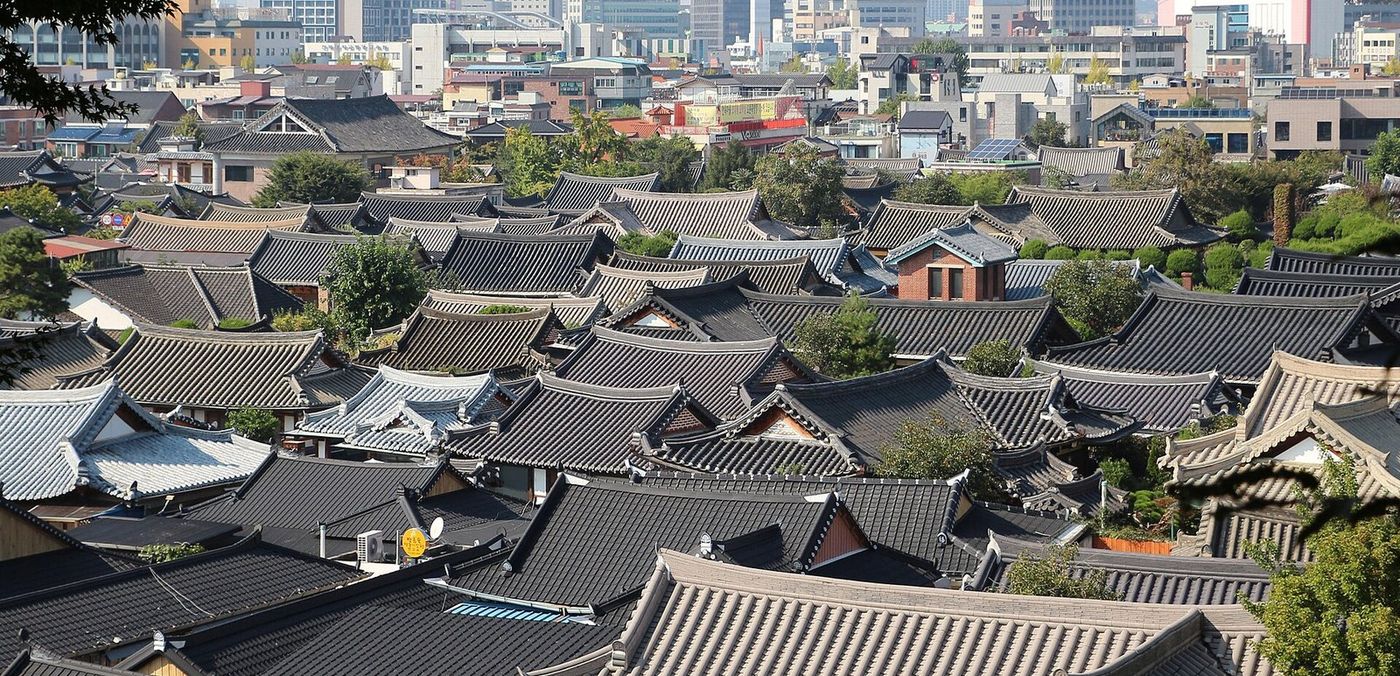
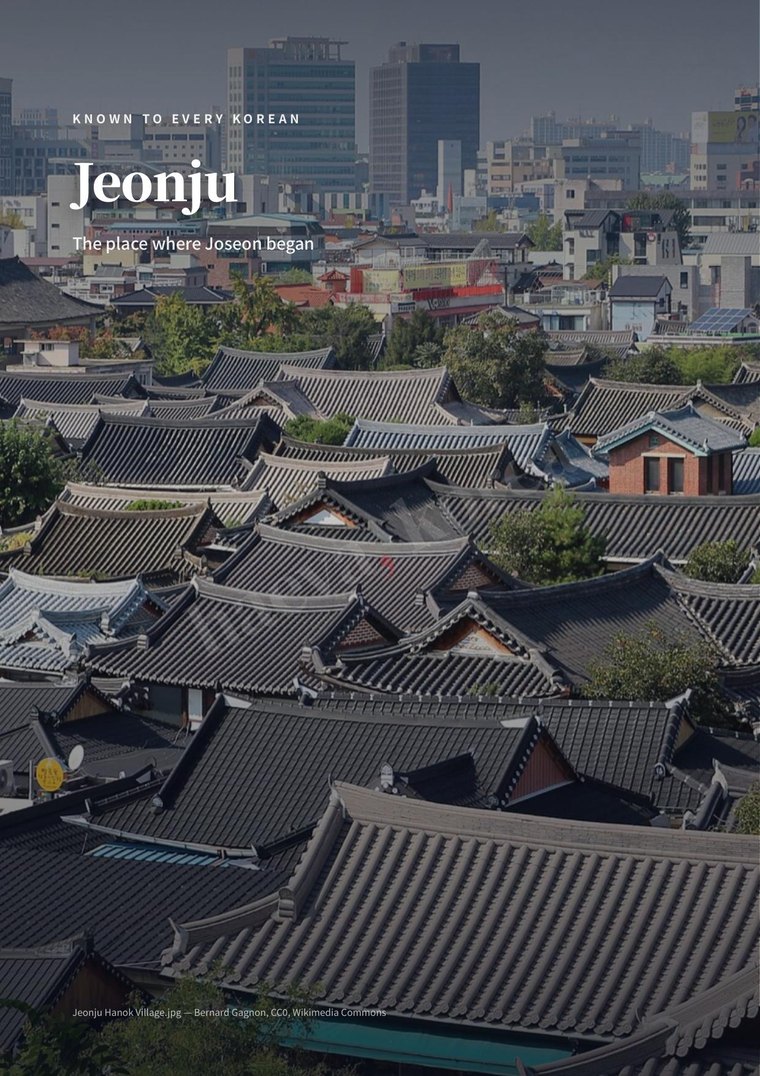
Ask Koreans where to eat and you get the name of a province, not a restaurant: Jeolla. Its northern half centers on Jeonju, which holds the largest cluster of traditional houses in the country and the version of bibimbap every other city measures itself against. People drive hours for a meal here and think nothing of it.
- From Seoul: a high-speed train reaches Jeonju. The hanok village is a short taxi ride from the station — show the driver 전주 한옥마을.
- A hanok stay here beats one in Seoul on both price and quiet, and the floor heating from the guidebook chapter “Where You Sleep” is the real thing.
- Give it: two days. One of them should be spent eating and nothing else.
Where it fits in a trip
Jeonbuk is the alternative southern anchor to Busan. On eight to fourteen days you pick one of the two, not both: Busan if you want a second city, Jeonju if you want a slower one and a night on an ondol floor. A high-speed train reaches Jeonju, so the leg costs the same either way — the difference is what you do when you arrive.
A whole book about one place here
The guidebook covers this region in a single section. Each of these is a separate book about one place inside it.
The names, in Korean
Signs, tickets and map apps use the Korean. Showing the written form is usually faster than saying it.
- Jeonbuk전북
- Jeonju전주
- hanok village한옥마을
- bibimbap비빔밥
Questions people actually ask
- How many days does Jeonju need?
- Two, and one of them should be spent eating and nothing else. That sounds like a joke and is not: the hanok village is small enough to see in a morning, and the reason to stay is the table.
- Should I stay in a hanok in Jeonju or in Seoul?
- Jeonju, on both price and quiet. Many of the rooftops in the village are guesthouses, and it is the cheapest way to sleep on a heated ondol floor rather than read about one.
- How do I get from Jeonju station to the hanok village?
- A short taxi ride. Show the driver 전주 한옥마을 rather than saying it — the written form is faster and it removes the guessing on both sides.