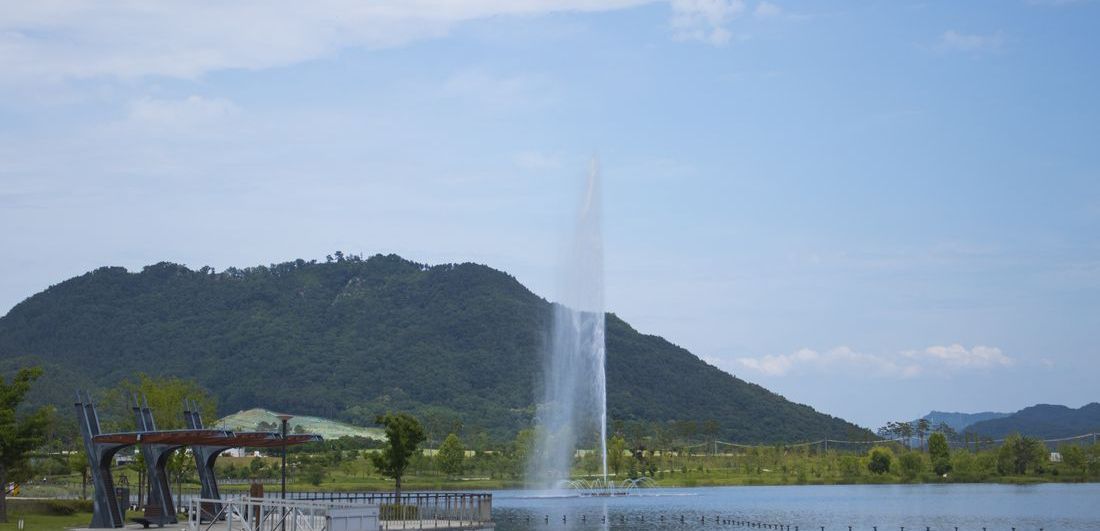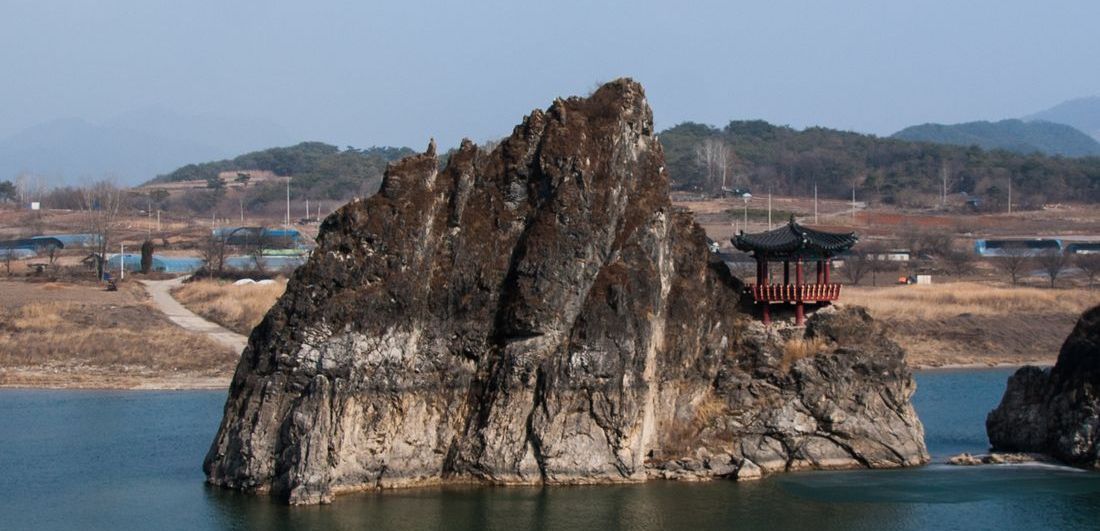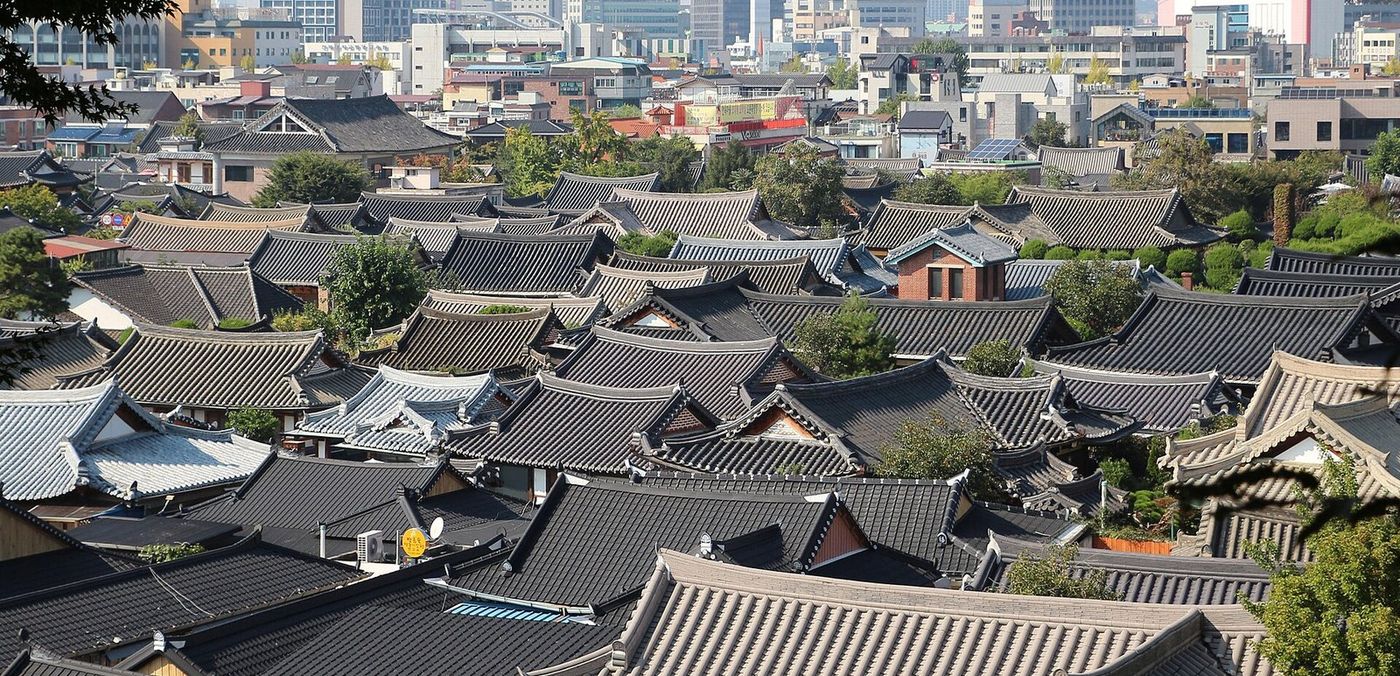
Chungnam: Baekje’s old royal ground, without the palace crowds
충남
Everyone who wants old Korea goes to Gyeongju. Chungnam is the other answer — an older kingdom, two capitals instead of one, and an afternoon on a rampart with nobody else on it.
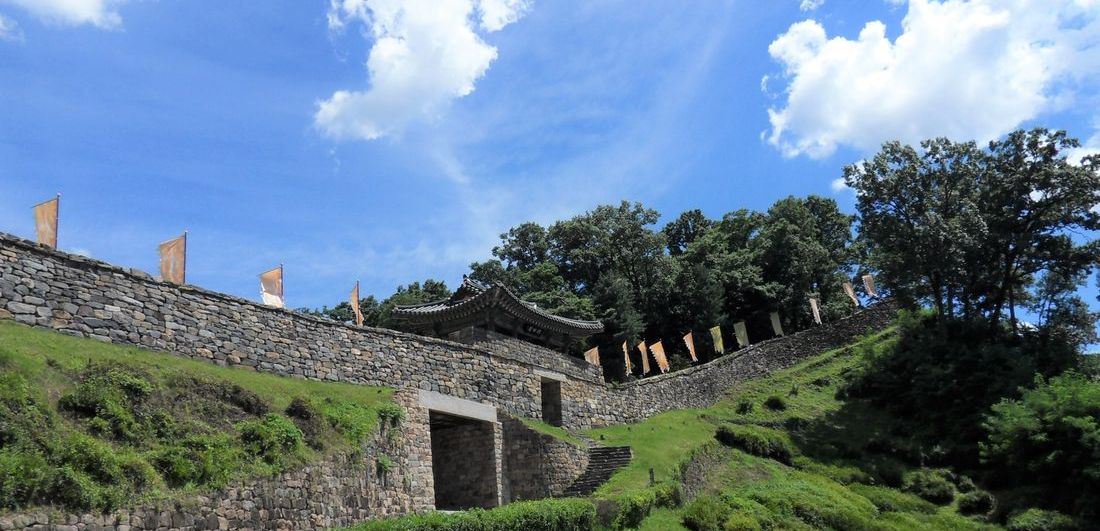
Baekje’s old royal ground. Gongju and Buyeo were capitals of a kingdom that ended more than thirteen centuries ago, and both still have the walls and the tombs to show for it — with a fraction of the crowds that fill the palaces in Seoul. You can walk the Gongju rampart end to end in an afternoon.
- From Seoul: train to the region, then local buses. Gongju and Buyeo are bus territory once you are down there.
- Give it: a day for one of the two cities. Doing both properly is two.
Where it fits in a trip
Chungnam pairs with the middle of the country rather than the south. It sits close to Daejeon and Sejong, so a route that already hinges on the rail crossroads can pick up a Baekje day without a detour. Give it a day for one of the two cities; doing both properly is two, and the second one is the quieter one.
The names, in Korean
Signs, tickets and map apps use the Korean. Showing the written form is usually faster than saying it.
- Chungnam충남
- Gongju공주
- Buyeo부여
- Baekje kingdom백제
Questions people actually ask
- Gongju or Buyeo — which one?
- Gongju if you want the walk: the rampart follows the ridge above the river and you can do it end to end in an afternoon. Buyeo if you want the tombs and the quieter half. Doing both properly is two days, not one.
- How do I get around once I am there?
- Train to the region, then local buses. Gongju and Buyeo are bus territory once you are down there — plan the day around the bus rather than assuming a taxi will be waiting.
- What actually survives from the Baekje period?
- Walls, ramparts and tombs rather than standing buildings — the kingdom ended more than thirteen centuries ago. That is why an afternoon of walking is the right way to see it, and why the ridge above the river matters more here than any single monument.