Gwangju: art, memory, and a national park you reach by city bus
광주
Gwangju carries the weight of the country’s democracy movement in places you can visit and should. It also has a national park you reach by city bus, which is not a sentence you get to write often.
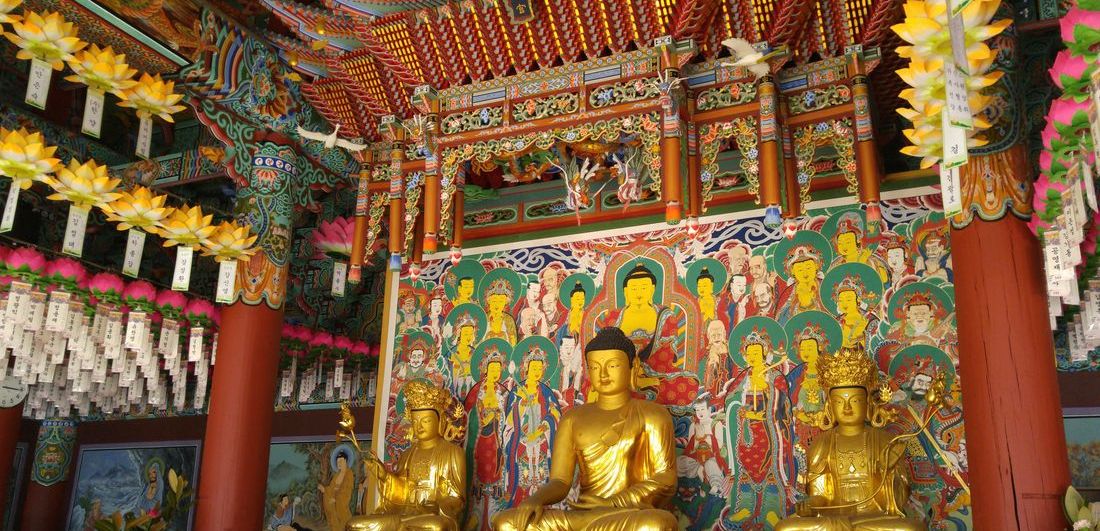
A city serious about art and about memory. It hosts one of Asia’s major art biennales, and it carries the weight of the country’s democracy movement in places you can visit and should. Mudeungsan rises straight out of the back streets — a national park you reach by city bus, which is not a sentence you get to write often.
- From Seoul: a high-speed train runs here directly.
- Give it: a day and a half — the city in the afternoon, the mountain the next morning.
Where it fits in a trip
A high-speed train runs here directly, which puts Gwangju within reach of a route that would otherwise stay on the eastern side of the country. Give it a day and a half: the city in the afternoon, the mountain the next morning. It pairs naturally with Jeonnam, since the coast is the same corner.
The names, in Korean
Signs, tickets and map apps use the Korean. Showing the written form is usually faster than saying it.
- Gwangju광주
- Mudeungsan무등산
Questions people actually ask
- How do I get to Mudeungsan?
- A city bus. The park starts where the city stops, and the temple inside it is reachable the same way — no separate excursion, no booking, no early start.
- Is Gwangju worth an overnight?
- A day and a half is the shape that works: the city in the afternoon, the mountain the next morning. Trying to do the mountain and the city on the same day means arriving at the trail at the wrong hour.
- Do I have to come during the biennale?
- No — the city is serious about art between editions too, and the places that carry its democracy movement are there whatever the calendar says. Time the visit for the mountain instead, since that is the part the weather decides.