
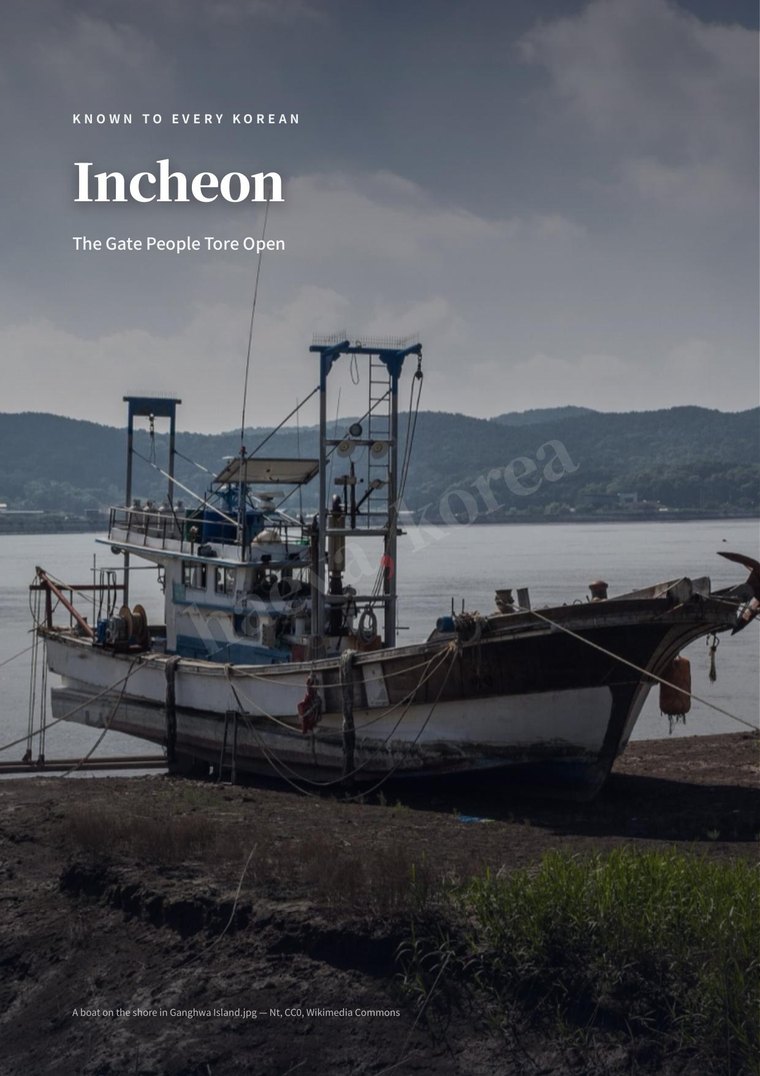
Incheon, a City Guide
The gate people tore open.
The Korean edition comes in the same file, at no extra cost.
- Format
- PDF, A4, 59 pages
- Languages
- English or Japanese + Korean edition
- Series
- KNOWN TO EVERY KOREAN
- Chapters
- 7 chapters
- Edition
- 2026.08
- Delivery
- Instant download after payment
- Refunds
- Before first download only
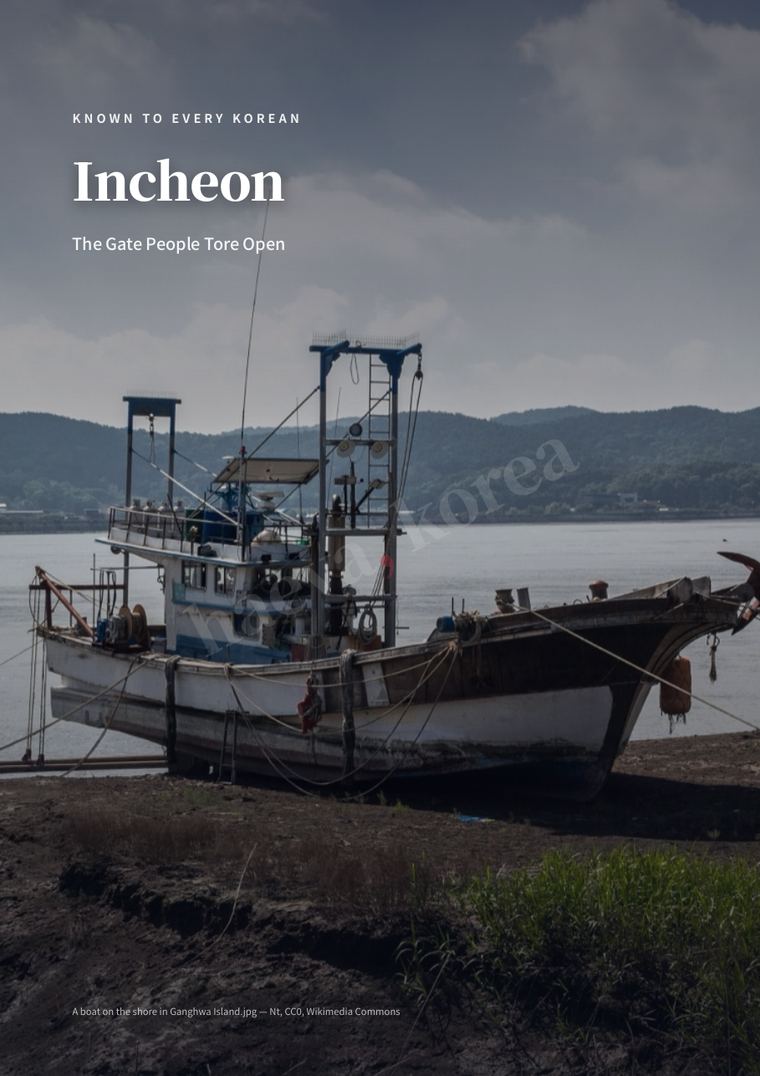
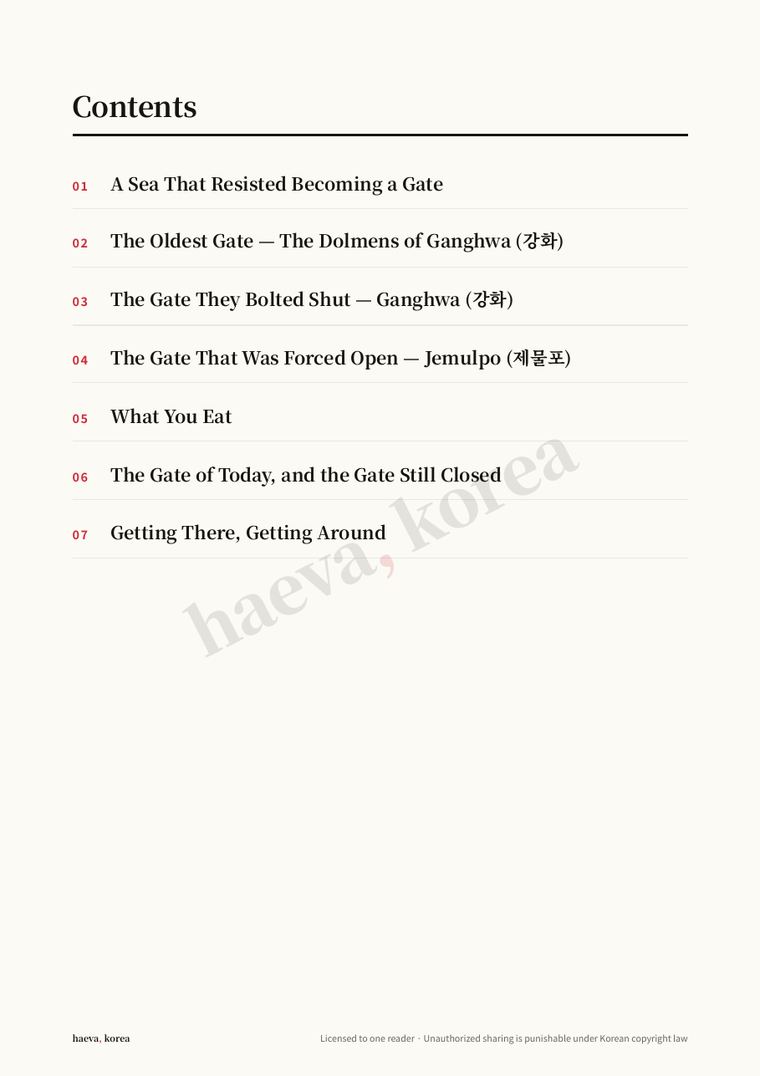
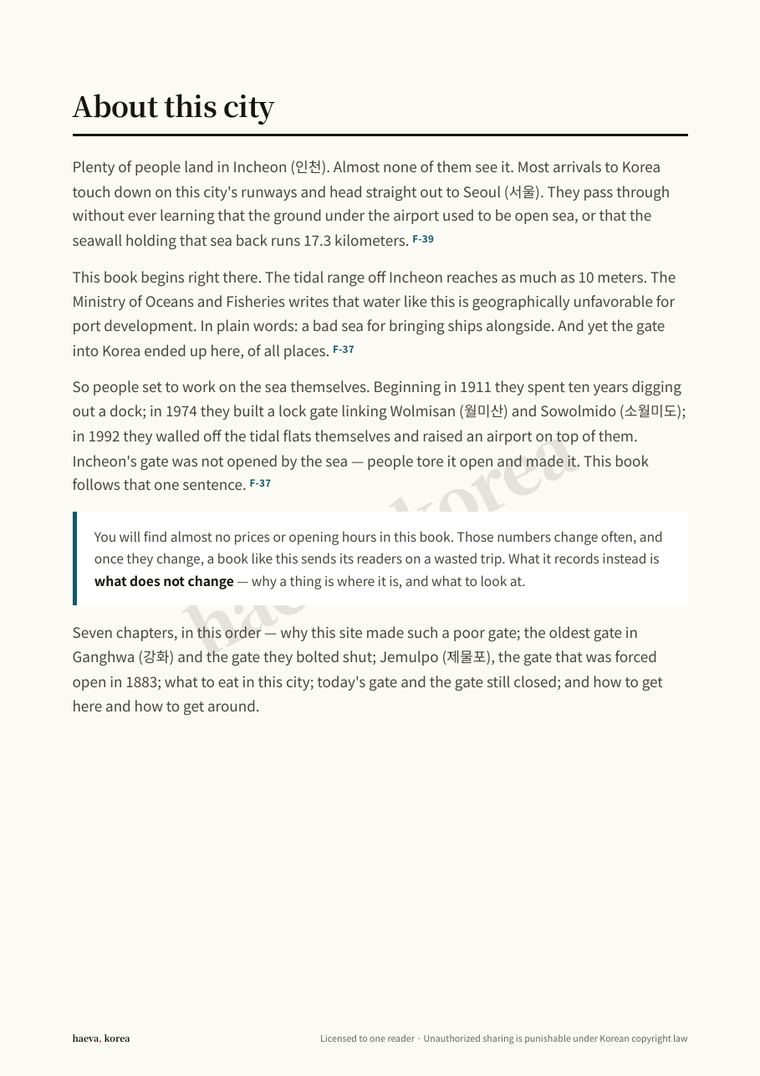
Real pages, straight out of the PDF.
The cover and 2 real pages, straight out of the PDF at full sharpness. The rest stays inside the book.
A city explained, not listed.
Almost everyone who flies into Korea lands here and leaves without looking. The tidal range reaches 10 meters, which made this a bad sea for ships — so people cut a dock, hung a lock gate on it, and finally walled off the tidal flats and put an airport on top. Three gates, one city: the gun emplacements of Ganghwa, the port forced open in 1883, and the runway you arrived on.
Every figure was read at an official source. Dates, addresses and travel details carry a mark that points to a numbered entry at the back of the book, with the page we read it on. Where we could not confirm a figure, the book leaves it out rather than guessing.
Every photograph is openly licensed. No image in this book is one we cannot legally print, and the credits are printed with it — including the fact that we cropped to fit the page.
The Korean edition is in the same file. Same book, in Korean, after the edition you bought. When a name matters more than the explanation, you can show the page instead of reading it out.
What is inside
7 chapters, 59 pages, ending with how to get there and how to move around once you have arrived.
All 7 chapters unlock with the book.
The pages below are from further inside the same file.
These pages are blurred in the image itself, not by your browser. The full 59-page PDF unlocks on purchase.
The rest of the series
Same shape, same sourcing, one city each. Cities you should not skip are priced apart from the ones Koreans know and visitors walk past.
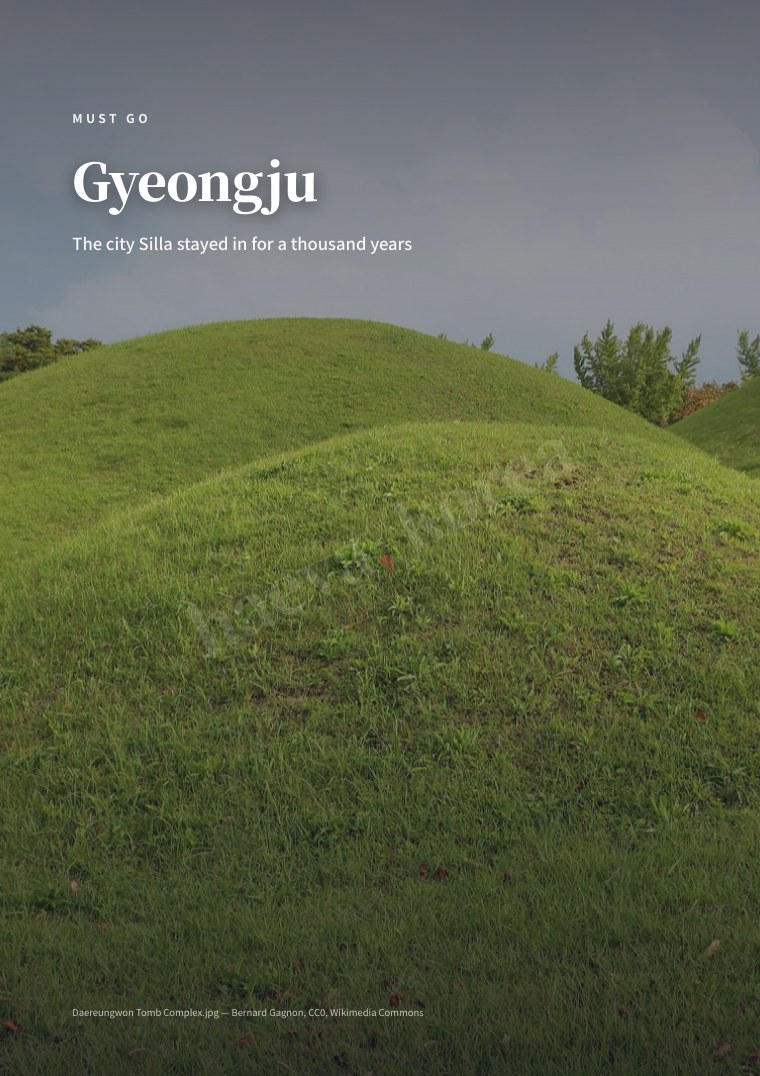 Gyeongju, a City Guide
A capital that never moved for a thousand years.
$14.9931% offStandard rate
Gyeongju, a City Guide
A capital that never moved for a thousand years.
$14.9931% offStandard rate 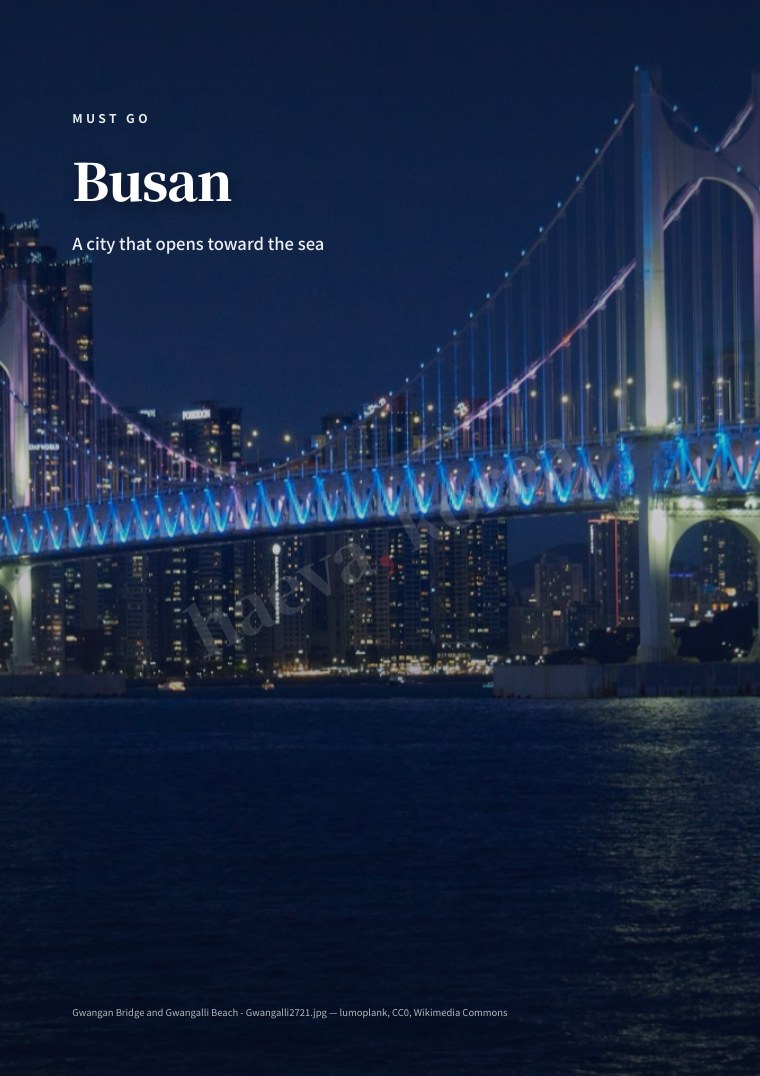 Busan, a City Guide
The port city, read from the water out.
$14.9934% offStandard rate
Busan, a City Guide
The port city, read from the water out.
$14.9934% offStandard rate 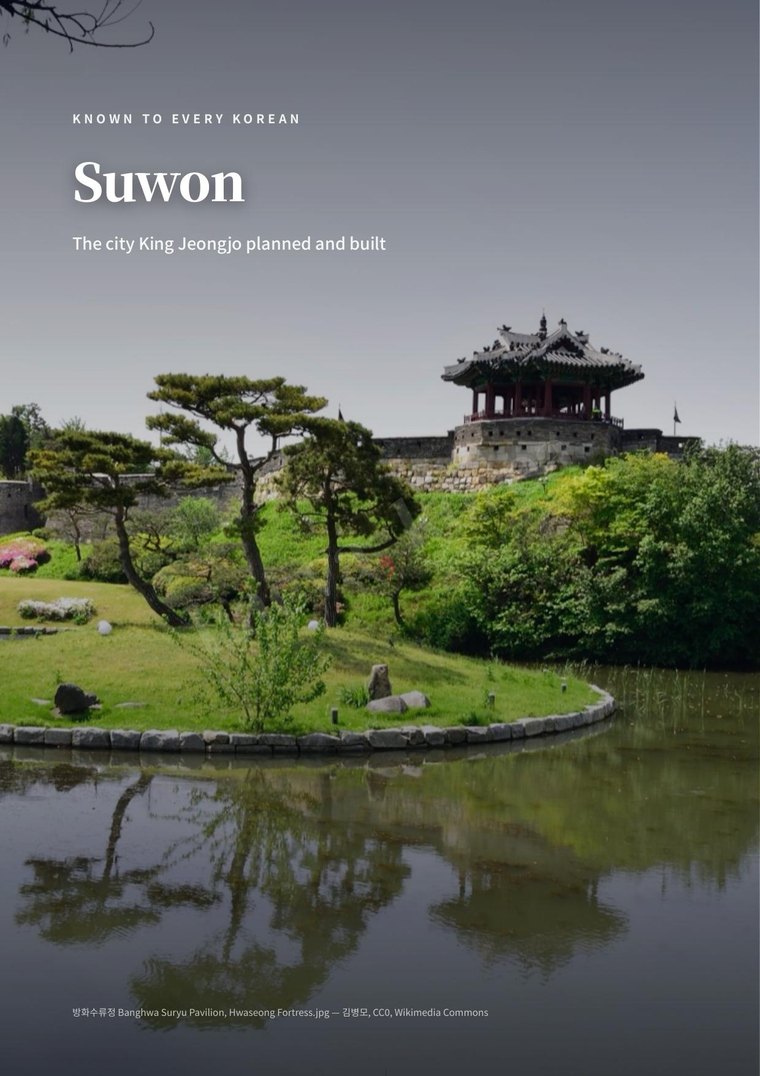 Suwon, a City Guide
A walled city a king built on purpose.
$9.9933% offStandard rate
Suwon, a City Guide
A walled city a king built on purpose.
$9.9933% offStandard rate 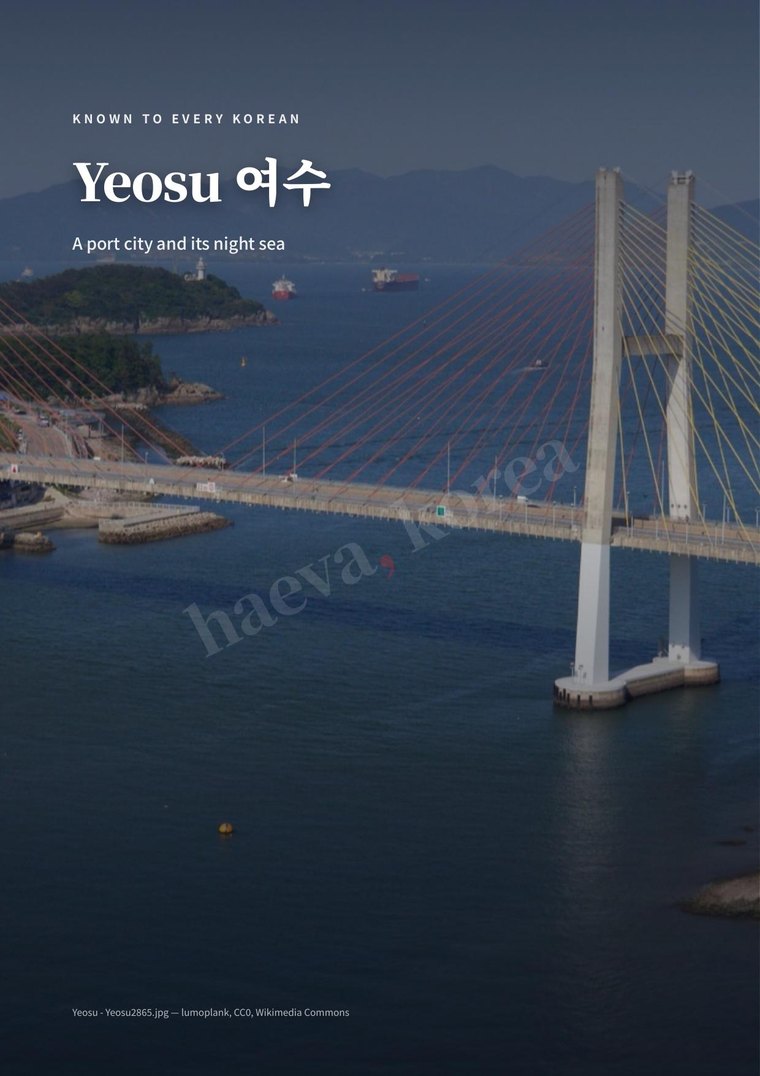 Yeosu, a City Guide
Four hundred years of navy, and a night sea.
$9.9935% offStandard rate
Yeosu, a City Guide
Four hundred years of navy, and a night sea.
$9.9935% offStandard rate 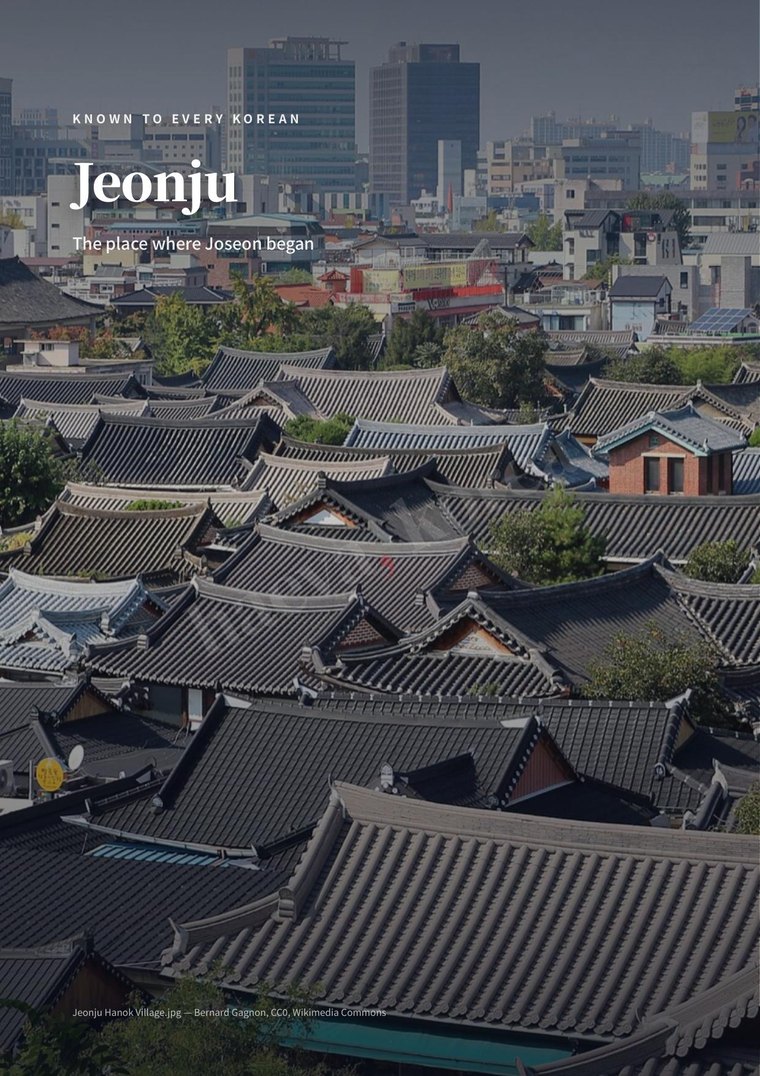 Jeonju, a City Guide
The place where Joseon began.
$9.9937% offStandard rate
Jeonju, a City Guide
The place where Joseon began.
$9.9937% offStandard rate 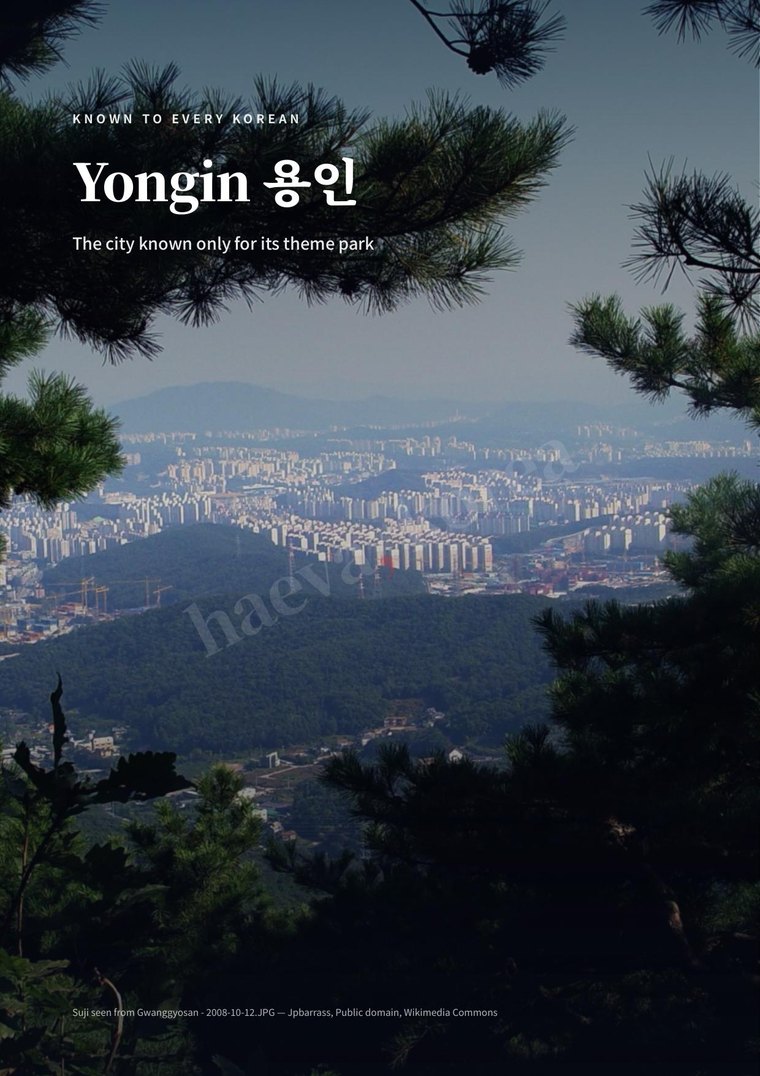 Yongin, a City Guide
Known for the theme park. There is more.
$9.9937% offStandard rate
Yongin, a City Guide
Known for the theme park. There is more.
$9.9937% offStandard rate Questions
No. This book explains the city — how it came to look the way it does, what is in which part of it, and what people eat there. It does not tell you which day to do what. If you want the days built around your own dates, that is the itinerary service.
Most of it will not — a wall, a harbour and a thousand years of history do not move. A handful of entries carry opening hours, and those are the ones to check before you set out; the book prints the official page it was read from so you can check it yourself.
Because place names and dishes are worth showing rather than pronouncing. The Korean edition is the same book, so the page you need is in the same place — hand over the phone and point.