The manners that actually matter, and the ones nobody minds
Most of what visitors worry about does not matter, and a few things they never think about do. This page sorts them, and it ends with the list that should calm you down.
Shoes off: where exactly
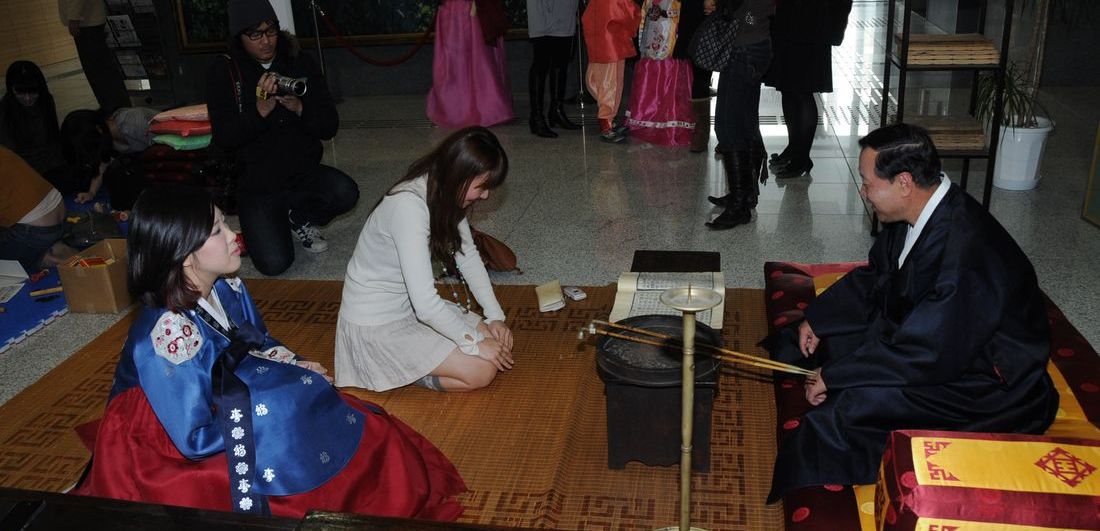
The rule isn’t "indoors." It’s "on the raised floor." Look for a step up, a change in the flooring, or a row of other people’s shoes — those three signs are the whole rule, and one of them is always there.
| Shoes come off | Shoes stay on |
|---|---|
| Any home, no exceptions | Cafés, most restaurants with chairs, shops |
| Floor-seating restaurants and the raised platform inside them | Hotel rooms, though plenty of guests take them off anyway |
| Temple halls, traditional guesthouses, some fitting rooms and clinics | Subways, buses, offices, public buildings |
What that means in practice: wear socks you don’t mind showing, and shoes you can step out of standing up. On a day with a floor-seated lunch and a temple in it, you will regret lace-up boots.
Why a stranger asks your age
It’s not nosiness and it’s not small talk. Korean grammar and vocabulary shift with relative age, so the question is closer to "which form should I use with you?" than to "how old are you?" Answer it straight — it’s asked in good faith.
- The same logic drives the questions about whether you’re married or what you do. They’re asked to get oriented, not to size you up.
- You’re allowed to dodge it. A smile and "older than I look" ends it without friction.
- As a visitor you sit outside the hierarchy anyway. No one’s going to hold you to it.
Pouring, receiving, and the one drinking rule
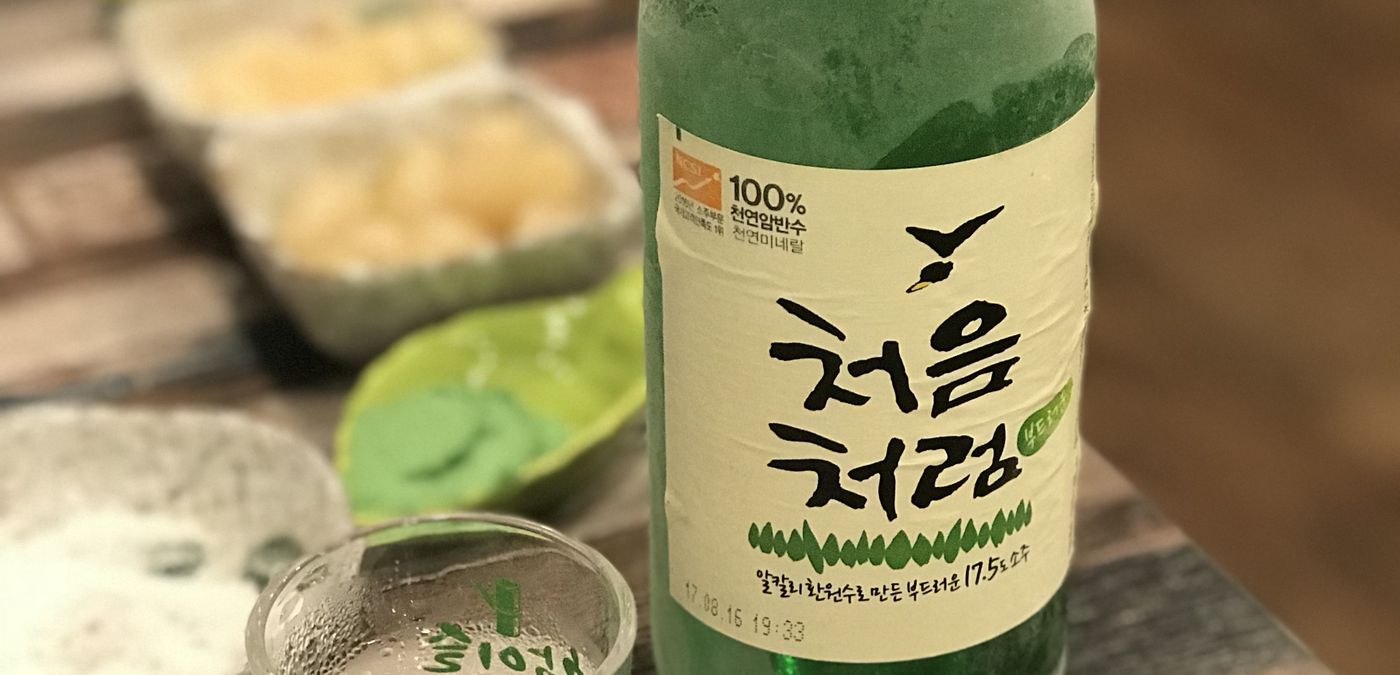
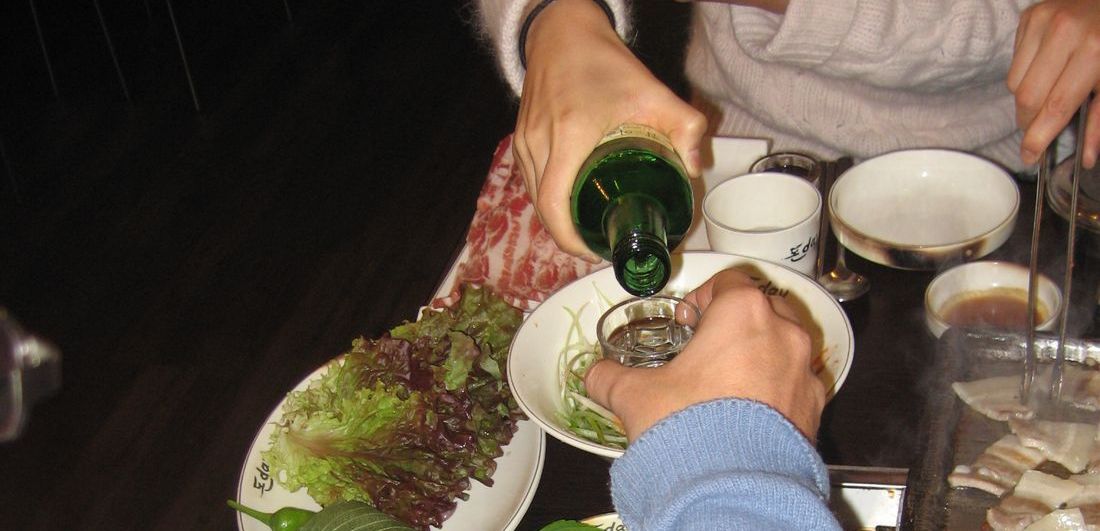
If there’s alcohol on the table, this is the one piece of etiquette most likely to come up — and it’s genuinely easy. You don’t pour your own, and you receive with two hands.
To receive: both hands on the glass, or your right hand on the glass with the left touching your forearm. Pouring for someone older? Same two-handed grip, on the bottle. The real skill is watching other glasses and topping them up before anyone asks.
- Nobody can make you drink. "저는 술을 못 해요" is understood and accepted — and so is holding a soft drink and joining the toast.
- An empty glass reads as a request for a refill. If you don’t want one, leave a little in it.
저는 술을 못 해요.
jeoneun sureul mot haeyo.
On the subway and the bus
Korean public transit is quiet, orderly, and heavily used. Three habits will make you invisible in a good way.
- Leave the priority seats empty. They’re marked, and usually at the ends of the car. Even on a packed train, empty priority seats stay empty — this one is followed far more strictly than visitors expect.
- Take your backpack off and hold it low, or put it up on the rack. In a crowded car, a backpack on your back takes up a whole person’s worth of space.
- **Keep your voice down and keep calls short.** **People do take calls, but at the volume you’d use in a library.**
Eating on the subway isn’t illegal, but it isn’t done — a drink with a lid is fine, a hot meal is not. Buses are stricter still, given the way they move.
Cameras and other people
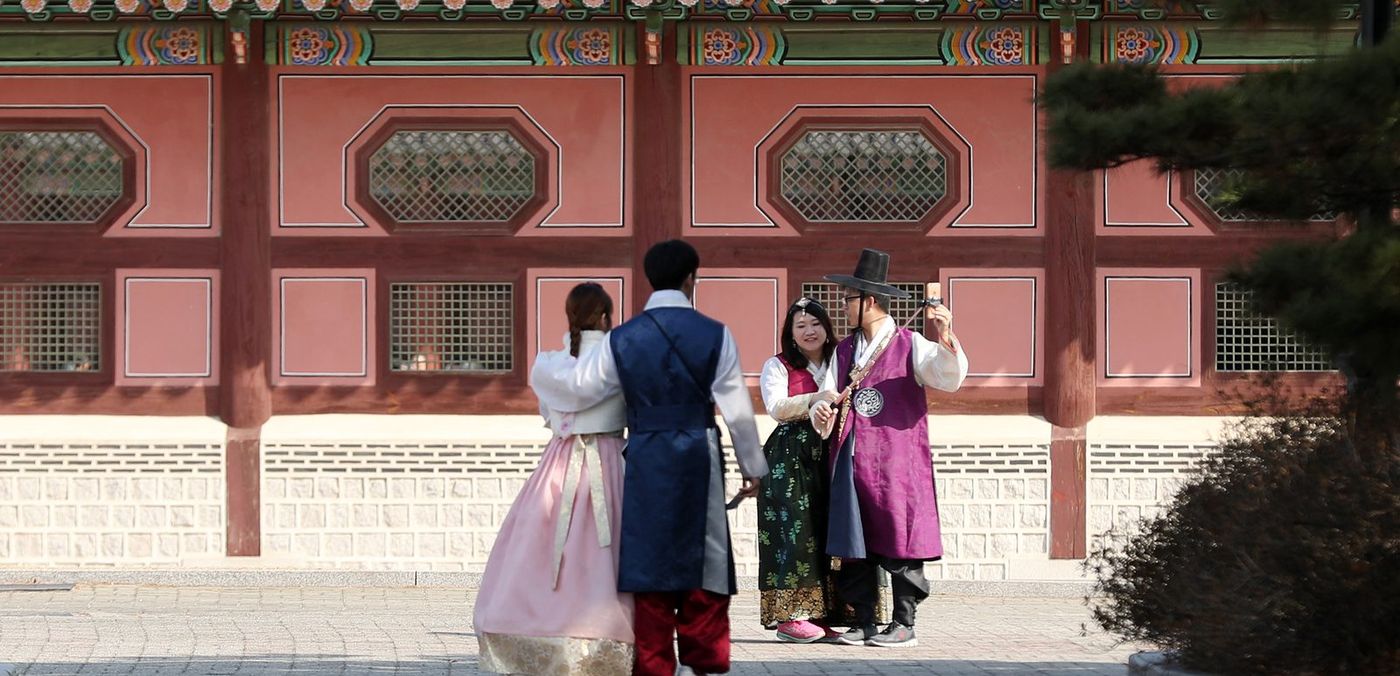
Korea is wildly photogenic and heavily photographed, but the norm around photographing people is stricter than in many places visitors come from. Short version: landscapes, streets, and food are fair game; recognizable strangers are not.
- Ask before you photograph a person — staff, market vendors, and people in traditional dress included. Point at your camera with a questioning look and you’re done. **No Korean required.**
- Covert or up-skirt filming is taken with deadly seriousness here, socially and legally. This is not a gray area, and it is not a cultural misunderstanding anyone will excuse. Keep your phone down in changing rooms, on stairs, and on escalators.
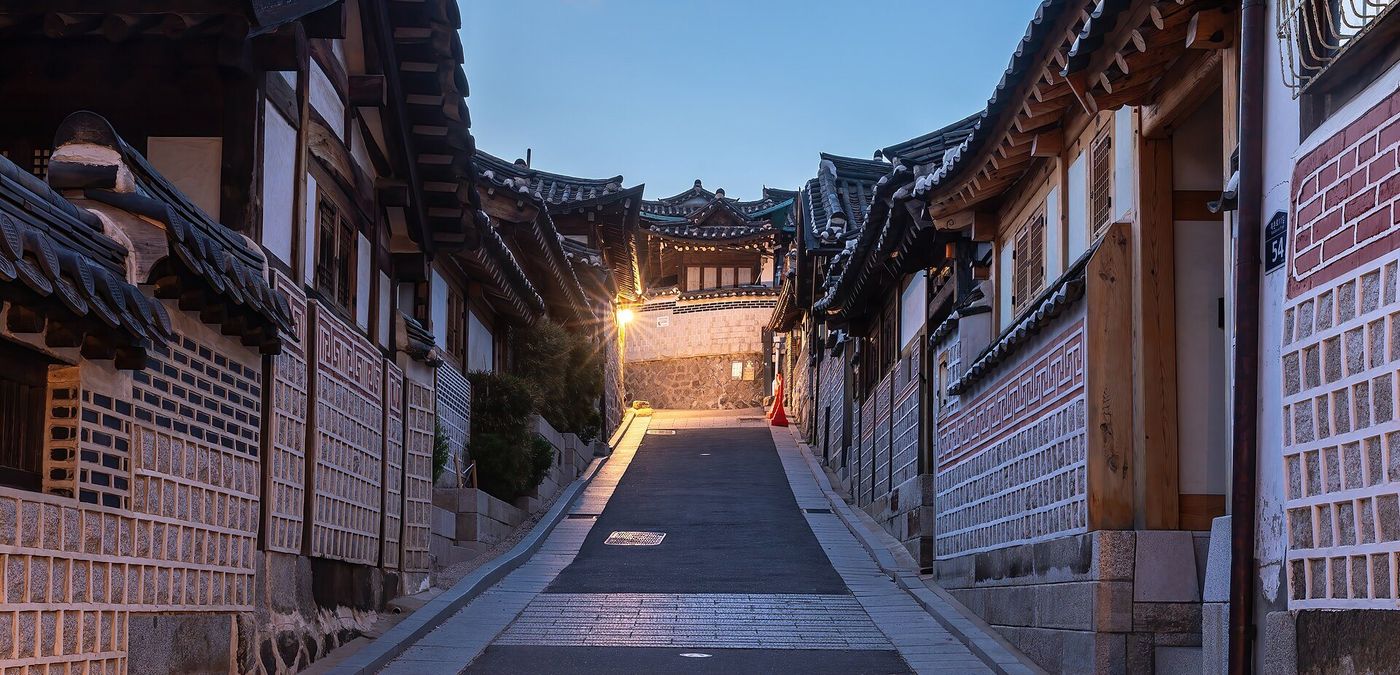
- Residential alleys — the photogenic ones up in the hillside neighborhoods — are where people live. Some post signs asking for quiet. They mean it.
사진 찍어도 될까요?
sajin jjigeodo doelkkayo?
Volume, lines, and standing close
- Personal space is smaller here, especially in a crowd. Getting brushed past with no apology isn’t rudeness — apologizing just isn’t the convention in a packed space.
- Lines are real and respected — for buses, elevators, and popular restaurants. Look for the line before you walk up to the door; it may run along a wall and out of sight.
- Indoors, keep it quieter than you would at home. Restaurants get loud, but a café, a train, and an elevator are quiet places.
What gets forgiven instantly
This page exists so the previous seven don’t leave you nervous. Visitors get an enormous amount of latitude here, and none of the following will cost you a thing.
- Speaking no Korean beyond hello and thank you.
- Mixing up the two goodbyes.
- Fumbling your chopsticks, or asking for a fork.
- Not knowing how to order and just pointing at a photo on the wall.
- Bowing at the wrong moment, or twice.
- Asking for help. This one isn’t just forgiven — it usually gets you more effort than you bargained for.
Chapter 4 in seven lines
- Shoes off on the raised floor — not just indoors.
- The age question is grammar, not nosiness.
- Don’t pour your own. Receive with two hands. Leave a little if you’ve had enough.
- Wait for the eldest to start. Spoon for rice and soup. Never chopsticks upright.
- Priority seats stay empty. Backpack off. Voice down.
- Ask before photographing a person. Never photograph covertly.
- Everything else is forgiven. Ask for help — it works.
Questions people actually ask
- Where do I have to take my shoes off in Korea?
- Homes, temples and guesthouses, and any restaurant with a raised floor — the table above draws the line case by case. The tell is usually the step up and the shoe rack next to it.
- Why do Koreans ask how old I am?
- Because the answer decides how they should speak to you — it is a grammar question rather than a personal one. The page above explains what the answer is used for, which makes it much less strange to be asked.
- Can I take photos of people in Korea?
- Of places, freely; of people, with the same care you would use anywhere, and rather more in residential lanes where people actually live. The page above is specific about where the line sits.